


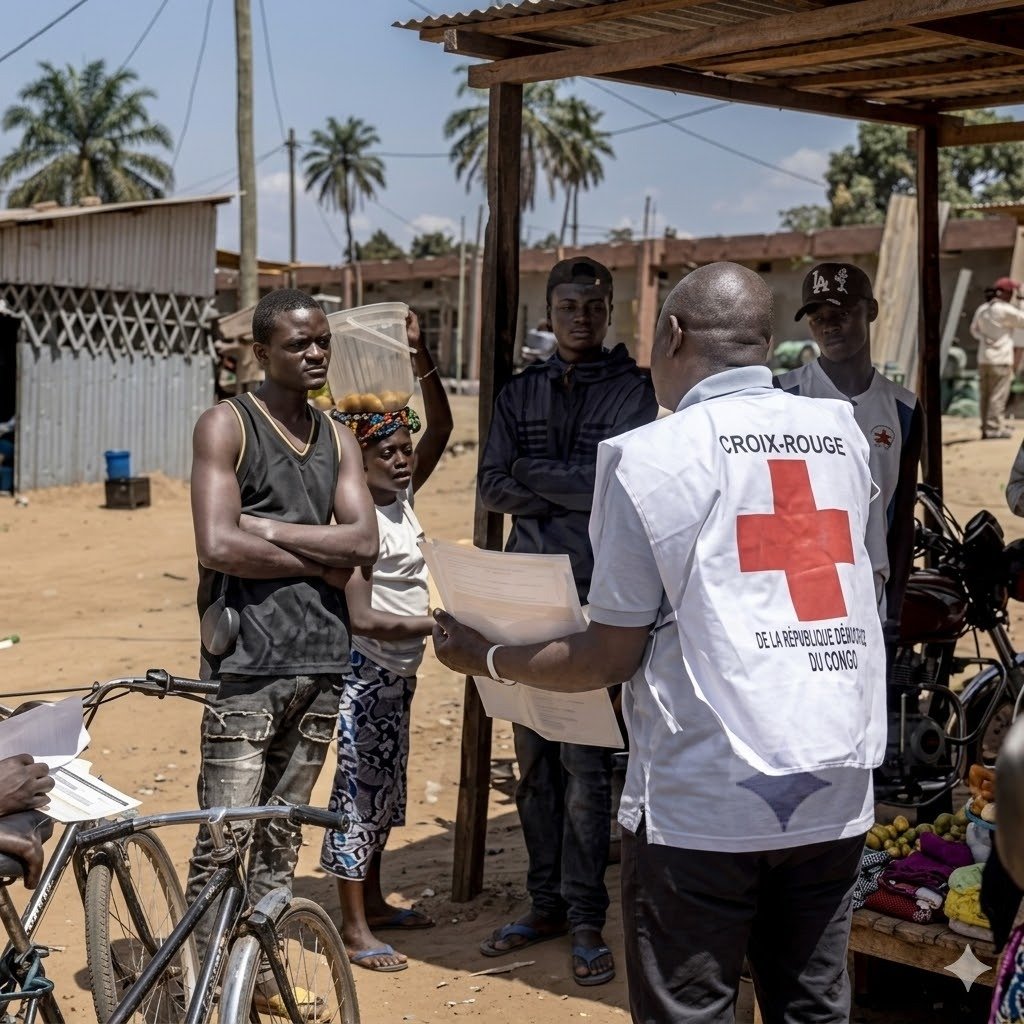
WHO reports 321 confirmed Ebola cases and 116 suspected cases in the Democratic Republic of Congo, raising global health concerns and prompting urgent outbreak containment efforts.
WEBDESK – UzGul – MEDIABITES NEWS
WHO Confirms 321 Ebola Cases in Democratic Republic of Congo Amid Rising Concerns
The World Health Organization (WHO) has confirmed 321 Ebola cases in the Democratic Republic of Congo (DRC), along with 116 additional suspected infections, raising serious concerns about a possible resurgence of the deadly virus in the region.
Health officials are closely monitoring the situation as containment efforts continue in affected areas. The outbreak has triggered renewed global attention on Ebola preparedness and response strategies.
Authorities are working to trace contacts, isolate patients, and prevent further spread in high-risk communities.
Rising Ebola Cases Raise Global Health Alarm
The latest figures indicate a concerning increase in confirmed infections, highlighting the ongoing challenges in controlling Ebola outbreaks in Central Africa. The virus, known for its high fatality rate, spreads through direct contact with infected bodily fluids.
Health teams have been deployed to affected regions to support surveillance and treatment efforts. Rapid response units are also assisting in identifying new cases.
Officials emphasize that early detection remains critical in preventing wider transmission.
Healthcare Systems Under Pressure in Affected Regions
Healthcare infrastructure in parts of the DRC remains limited, making outbreak control more difficult. Hospitals and clinics are working under pressure as patient numbers increase.
Medical teams are focusing on isolation wards and infection control measures to reduce the risk of hospital-based transmission. Community health workers are also playing a key role in awareness campaigns.
Despite challenges, response teams are intensifying efforts to stabilize the situation.
Global Health Community Responds to Outbreak
The WHO and international health partners are coordinating with local authorities to strengthen outbreak response measures. This includes providing medical supplies, protective equipment, and technical support.
Global health experts are closely tracking the situation due to the potential for regional spread if containment fails. Past Ebola outbreaks have shown how quickly the virus can escalate without swift intervention.
Efforts are focused on ensuring vaccination strategies and emergency protocols are effectively implemented.
Challenges in Containing Ebola Spread
Containment efforts face several obstacles, including remote geography, limited healthcare access, and community mistrust in some regions. These factors can delay early reporting and treatment.
Public health officials are working to improve community engagement and encourage early reporting of symptoms. Awareness campaigns are being expanded to reduce transmission risks.
The situation remains under active observation as new data emerges from field teams.
Pakistan Angle: Global Health Preparedness Awareness
Although the outbreak is centered in the DRC, global health authorities emphasize that diseases like Ebola highlight the importance of international preparedness, including in countries like Pakistan.
Pakistan’s health surveillance systems and disease monitoring networks remain important in detecting and preventing potential cross-border health risks.
Experts say lessons from African outbreaks help strengthen global response frameworks, ensuring faster containment of infectious diseases worldwide.
Understanding Ebola and Its Risks
Ebola is a severe viral disease with symptoms including fever, fatigue, muscle pain, and internal bleeding in advanced stages. It spreads through direct contact and requires strict isolation measures.
While outbreaks are usually localized, the high fatality rate makes it a global health concern whenever cases rise.
Vaccination and rapid response remain the most effective tools in controlling its spread.
Conclusion: Vigilance Critical as Cases Rise
The confirmation of 321 Ebola cases in the Democratic Republic of Congo underscores the ongoing challenges in managing viral outbreaks in vulnerable regions. Health authorities continue to intensify response measures.
As monitoring continues, global health organizations remain focused on preventing further spread and ensuring rapid containment.
The situation highlights the importance of preparedness, coordination, and early intervention in protecting public health worldwide.


4 Comments
I simply couldn’t go away your web site prior to suggesting that I really enjoyed the usual info an individual supply for your visitors? Is going to be back ceaselessly to inspect new posts.
Pingback: bui-club.sutugabook.ru
Pingback: รับจำนำรถ
Hi, i think that i saw you visited my weblog thus i came to “return the favor”.I am trying to find things to enhance my
website!I suppose its ok to use a few of your ideas!!
xnxx