


Pakistan confirms facilitating US-Iran indirect talks through message exchanges, as diplomatic efforts intensify with regional support, despite Tehran publicly denying formal negotiations amid ongoing tensions.
WEBDESK – MediaBites News
Are the United States and Iran quietly moving toward dialogue despite public denials? Pakistan has now confirmed that indirect talks between Washington and Tehran are underway, with Islamabad playing a key intermediary role.
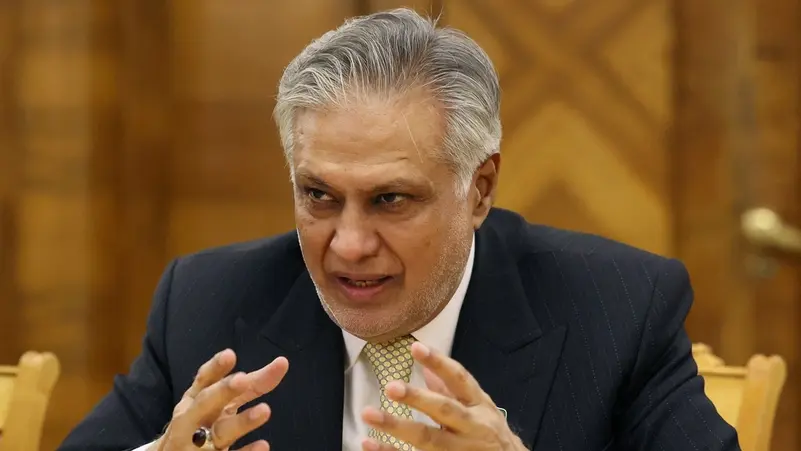
Foreign Minister Ishaq Dar said on Thursday that “US-Iran indirect talks are taking place,” clarifying that communication is being conducted through messages relayed by Pakistan rather than through formal negotiations.
“In this context, the United States has shared 15 points, being deliberated upon by Iran,” Dar stated, adding that countries like Turkey and Egypt are also supporting the diplomatic effort.
This marks the first official confirmation from Islamabad that it is actively facilitating communication between the two adversaries amid ongoing tensions.
Pakistan’s involvement is seen as strategic, given its longstanding ties with both Iran and the United States, as well as its regional diplomatic reach. Prime Minister Shehbaz Sharif and senior officials have reportedly maintained regular contact with Iranian leadership and key allies in the region.
According to officials, Pakistan’s military leadership is also engaged in backchannel diplomacy. Chief of Army Staff Field Marshal Asim Munir recently held discussions with US President Donald Trump as part of broader efforts to ease tensions.
However, Iran has publicly downplayed the development. Foreign Minister Abbas Araghchi denied any formal negotiations with Washington, while acknowledging that indirect exchanges of messages are taking place through friendly countries.
“At present, our policy is the continuation of resistance… we do not intend to negotiate,” Araghchi said in a televised statement.
The development highlights a complex diplomatic landscape, where public positions differ from behind-the-scenes engagement, raising questions about whether these indirect talks could eventually pave the way for formal negotiations.

