


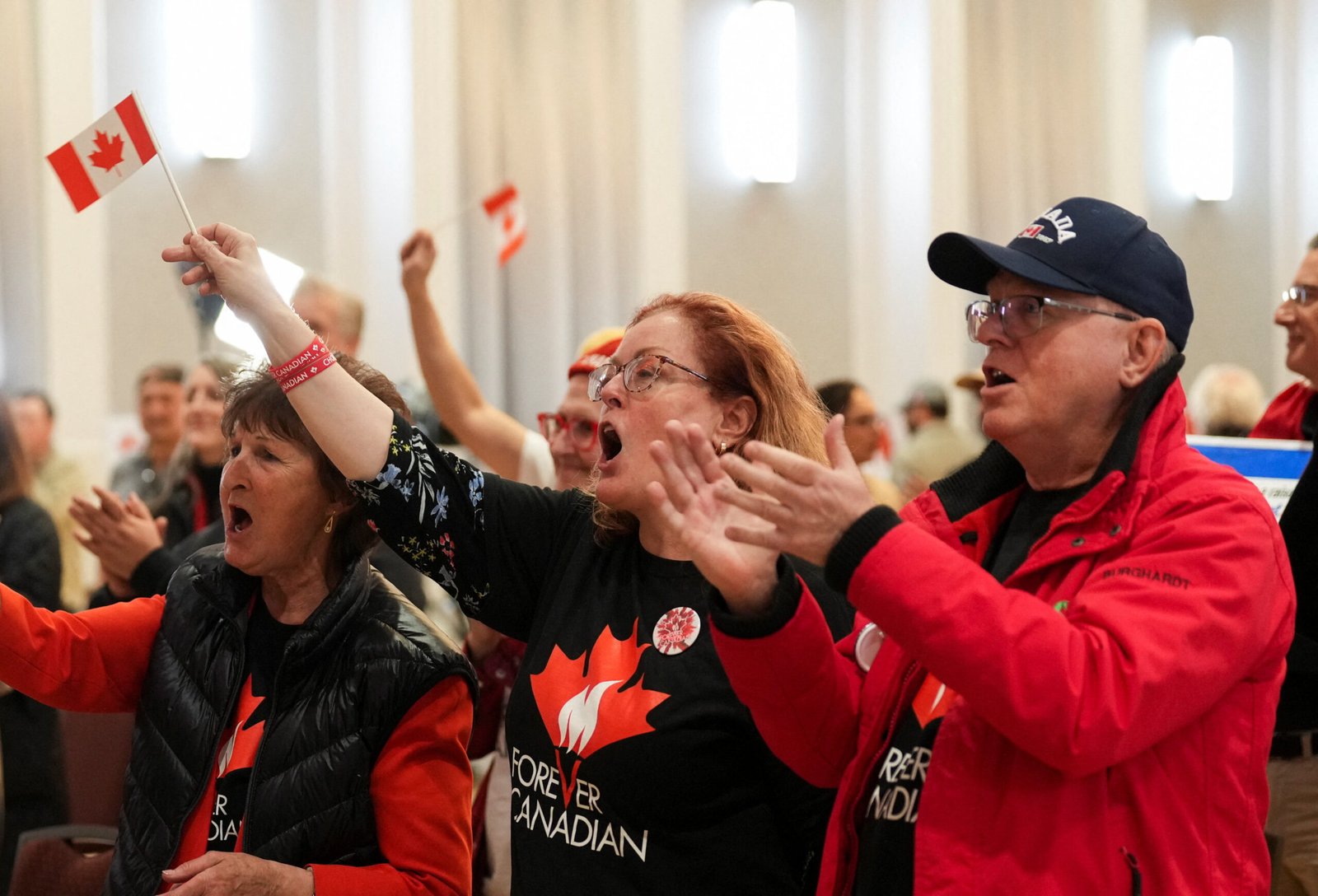
Alberta voters have rejected a proposal to begin the process toward separation from Canada, with more than 75% backing unity as Premier Danielle Smith pledges to respect the result.
WEBDESK – MEDIABITES
Voters in Alberta have decisively rejected a proposal to begin the legal process of separating from Canada, with more than three-quarters supporting the province remaining part of the country, according to preliminary and projected referendum results.
The vote, held on October 19, asked Albertans whether the provincial government should begin the constitutional process required to hold a future binding referendum on separation. It was not a direct vote on independence itself.
CBC News projected that the option to remain in Canada had won, with preliminary results showing approximately 76% support for staying in the federation. The outcome represents a setback for Alberta’s separatist movement, which has gained visibility amid long-running disputes with the federal government over energy, economic and constitutional policies.
Danielle Smith rules out another separation referendum
Premier Danielle Smith said she would honor the result and would not hold another referendum on the separation question during her tenure.
In a prerecorded address broadcast Tuesday evening, Smith acknowledged the outcome while maintaining that Alberta still had significant disagreements with Ottawa. She said her government would continue to assert the province’s autonomy and pursue changes within the Canadian federation.
Smith has faced pressure from separatist supporters and from Albertans who want the province to remain in Canada. The referendum was intended to measure public support for beginning the process toward a potential separation vote.
Nine other questions produce a closer split
The referendum also included nine additional questions concerning immigration and constitutional matters. Early results on those proposals were more closely divided, with several leaning toward “yes,” according to the latest updates.
The questions reflect broader tensions over Alberta’s powers, its relationship with the federal government, and its ability to shape policies that affect its residents. Their results could influence the next phase of negotiations between Edmonton and Ottawa.
Disputes with Ottawa remain
Although the separation proposal was rejected, the result does not resolve Alberta’s long-standing grievances with the federal government.
Alberta, a major oil-producing province, has repeatedly clashed with Ottawa over energy development, environmental rules and the distribution of political and economic powers. Separatist sentiment has drawn support from residents who believe federal policies disadvantage the province.
The vote clearly indicates that most participating voters did not support taking the next step toward a separation referendum. However, the result does not mean all voters agree on Alberta’s relationship with Ottawa or on the nine other policy questions.
What happens next?
Smith’s commitment to respect the result shifts the immediate focus toward negotiations over provincial autonomy and the other referendum proposals.
The separatist movement may continue to press for changes, despite the defeat of the separation initiative. Meanwhile, the federal government faces the challenge of addressing Alberta’s concerns while maintaining national cohesion.
For now, the referendum has sent a clear message on the central question: preliminary results show more than three-quarters of voters backed remaining in Canada rather than starting the process toward a future separation vote.
Source: CBC News projections and reporting by Reuters, Associated Press, and Canadian news outlets.

