


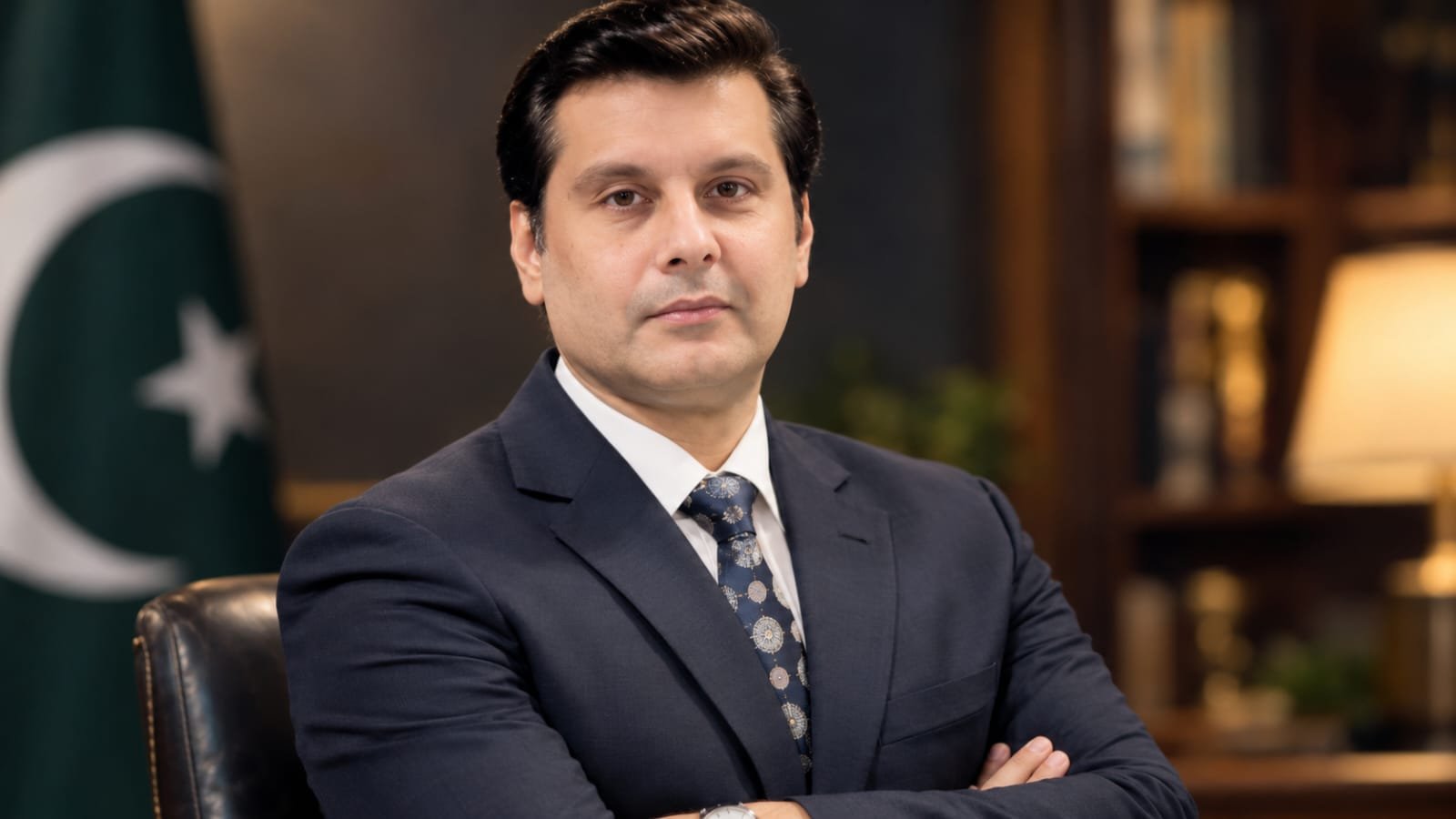
Four years after journalist Arshad Sharif’s killing in Kenya, international journalist organizations demand accountability, transparent investigations, and prosecution of responsible officers as his family continues seeking justice.
Webdesk Zunaira Fatima
The International Federation of Journalists (IFJ) and the Pakistan Federal Union of Journalists (PFUJ) have renewed their demands for justice for Pakistani journalist Arshad Sharif, marking four years since his killing by Kenyan police on October 23, 2022.
In a statement issued on October 23, 2026, the organizations expressed serious concern that no individual has been arrested or prosecuted in connection with the journalist’s death despite investigations and legal proceedings in Pakistan and Kenya.
Arshad Sharif, a prominent investigative journalist and television anchor, left Pakistan in August 2022 after reportedly facing threats related to his professional work. He later travelled to Kenya, where he was living in self-imposed exile.
On October 23, 2022, officers from Kenya’s General Service Unit opened fire on the vehicle carrying Sharif near Tinga Market, south of Nairobi. Kenyan police initially described the shooting as a case of mistaken identity, claiming they were searching for a vehicle connected to a carjacking.
However, a Pakistani fact-finding team investigating the incident concluded in December 2022 that the killing appeared to be a planned and targeted assassination. The report highlighted contradictions in witness statements and police accounts.
Legal proceedings subsequently took place in both countries. Kenyan courts ruled that the shooting violated Sharif’s constitutional right to life and awarded his family 10 million Kenyan shillings in compensation.
In July 2026, Kenya’s Supreme Court dismissed an appeal seeking to compel the prosecution of the officers involved. The court maintained that decisions regarding criminal charges fall under the authority of the country’s Director of Public Prosecutions.
Meanwhile, Pakistan’s Federal Constitutional Court ended its supervision of the case in early 2026, although the criminal investigation remained with law-enforcement authorities.
The IFJ and PFUJ have criticized the continued absence of criminal accountability, warning that the failure to prosecute those responsible sends a troubling message about journalist safety and press freedom.
Both organizations have demanded independent and transparent investigations, disclosure of relevant findings, and prosecution of the officers responsible for Sharif’s death.
Four years after the incident, Sharif’s family and journalist organizations continue their campaign for accountability, emphasizing that justice remains essential for protecting journalists and upholding press freedom.

