


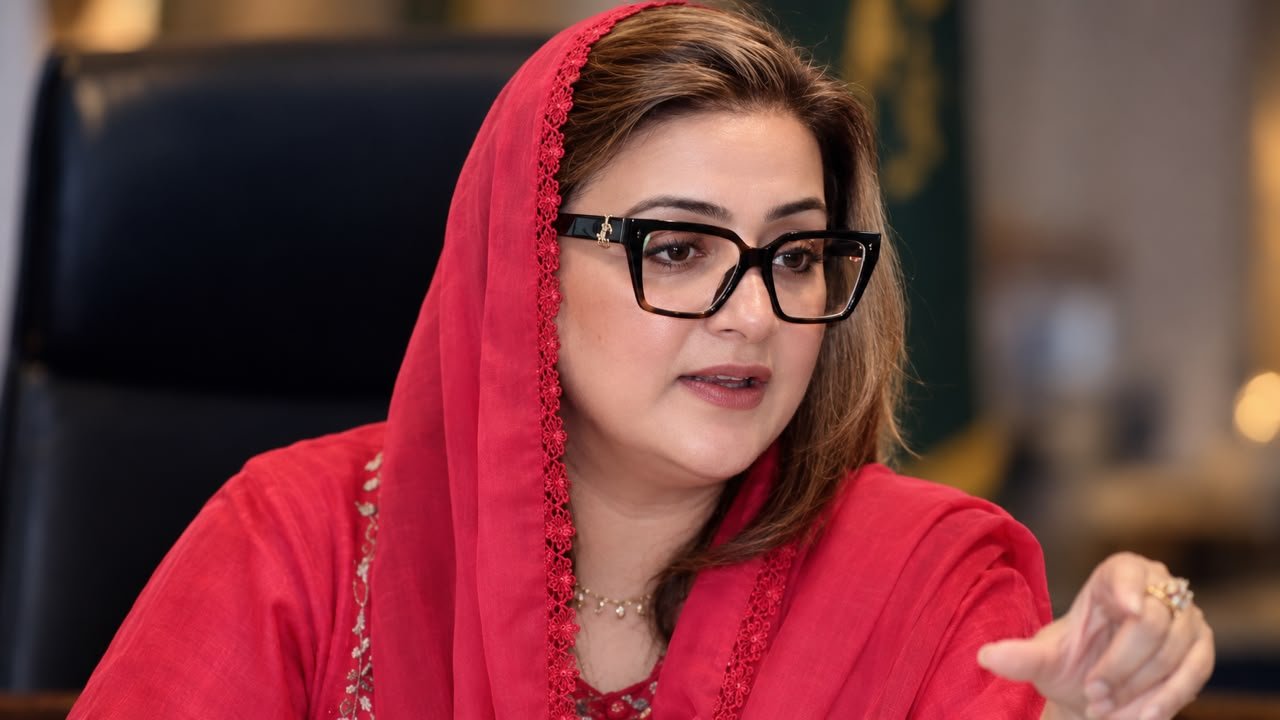
Punjab’s Defamation Tribunal has ruled in favour of Information Minister Azma Bokhari, ordering opposition leader Moeen Riaz Qureshi to pay Rs3 million in general damages.
Webdesk Zunaira Fatima
The Punjab Defamation Tribunal has ruled in favour of Punjab Information Minister Azma Bokhari in a defamation case against Punjab Assembly Opposition Leader Moeen Riaz Qureshi, ordering him to pay Rs3 million in general damages. The ruling marks a development in a legal dispute arising from allegations that Bokhari described as baseless and fabricated.
Bokhari filed the defamation suit in January 2026, seeking Rs800 million in damages from Qureshi. The minister approached the tribunal over allegations that the opposition leader had made accusations against her that she considered false and damaging to her reputation.
According to the initial report published by Dawn on January 24, 2026, the dispute concerned Qureshi’s alleged claim that Bokhari had facilitated the entry of 150 to 200 paid individuals into the Punjab Assembly during a visit by Khyber Pakhtunkhwa Chief Minister Sohail Afridi. The allegations were reportedly aired on a television talk show and circulated on social media, reaching a large audience.
Bokhari maintained in her legal claim that the accusations had harmed her reputation, dignity and professional credibility. She sought financial compensation through legal proceedings under the Punjab Defamation Act 2024.
The tribunal’s latest ruling orders Qureshi to pay Rs3 million in general damages, significantly less than the Rs800 million initially sought by the minister. The decision represents a development in the case, which involves allegations concerning public statements made about a provincial government minister.
The case also highlights the legal consequences that can arise from allegations made during political disputes. Defamation proceedings provide a legal avenue for individuals who believe that statements made about them have damaged their reputation.
Political leaders and public officeholders frequently face criticism and allegations during contentious political exchanges. However, disputes involving potentially defamatory statements may be brought before the relevant legal forums for consideration.
The tribunal’s decision places the dispute within the framework of Pakistan’s defamation law and underscores the role of legal proceedings in resolving claims concerning reputational harm.

