


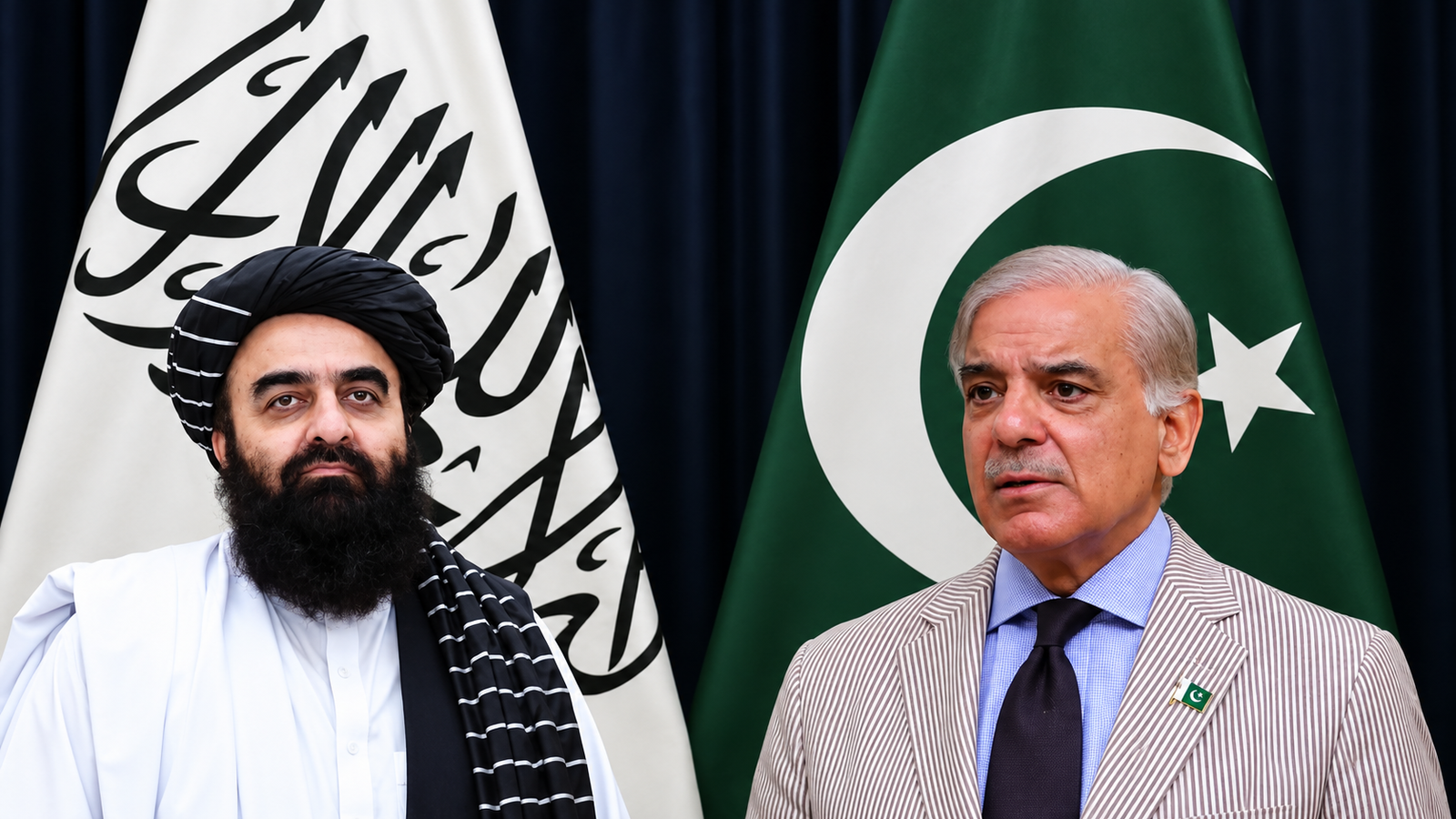
Pakistan’s UN envoy says more than 4,700 Pakistanis have been killed in terrorism linked to Afghanistan over three years, while the UN urges dialogue and de-escalation between the neighbours.
WEBDESK – MEDIABITES
Pakistan has warned Afghanistan’s Taliban authorities that Islamabad expects action against militant groups it says are operating from Afghan territory, while urging the international community to address the broader security threat.
Speaking at a United Nations Security Council meeting on Afghanistan on Sept. 16, Pakistan’s Permanent Representative to the UN, Asim Iftikhar Ahmad, said more than 4,700 Pakistanis had been killed over the past three years in what he described as terrorism emanating from Afghanistan.
Ahmad said Pakistan had expected the Taliban administration, after returning to power in 2021, to prevent Afghan territory from being used by militant organisations against neighbouring countries.
Pakistan has repeatedly accused the Afghan Taliban of allowing groups including the Tehreek-e-Taliban Pakistan (TTP) and Balochistan Liberation Army (BLA) to maintain bases or operate from Afghan territory. The Taliban authorities have denied allowing Afghan soil to be used against other countries and have said Pakistan should address its own security challenges.
Pakistan links security concerns to border tensions
The latest warning comes amid deteriorating relations between Islamabad and Kabul.
Pakistan has blamed militant attacks inside the country on groups it says operate from across the Afghan border, while tensions between the two countries have periodically escalated into armed confrontations.
Ahmad also raised concerns about weapons and military equipment left in Afghanistan following the withdrawal of US forces, arguing that the availability of advanced equipment had added to Pakistan’s security concerns.
Pakistan has separately called for stronger international cooperation against terrorist organisations and for gaps in UN sanctions mechanisms to be addressed. At an earlier Security Council meeting marking 25 years since the Sept. 11 attacks, Ahmad cited TTP, BLA and other organisations while calling for stronger international action.
UN calls for de-escalation
The Security Council discussion also focused on the wider political, humanitarian and human rights situation in Afghanistan.
Georgette Gagnon, the UN secretary-general’s deputy special representative for Afghanistan and officer-in-charge of the UN Assistance Mission in Afghanistan, said the continued presence of terrorist groups remained a concern for Afghanistan, the region and international peace and security.
Gagnon also highlighted the continuing tensions between Pakistan and Afghanistan and called on both sides to pursue diplomacy and de-escalation. The UN has urged the two neighbours to resolve their differences through dialogue while protecting civilians affected by the conflict.
The UN official’s remarks reflect the broader international concern that instability between Pakistan and Afghanistan could compound Afghanistan’s existing political, humanitarian and economic challenges.
Women’s rights remain another major concern
The Security Council meeting also examined restrictions imposed on women and girls under Taliban rule.
Ahmad said Afghan women and girls were being denied fundamental freedoms and access to areas of public life. Former Afghan minister Nargis Nehan also addressed the council, calling for international recognition of what she described as institutionalised discrimination against women and girls.
Gagnon said restrictions on women’s access to education, professions and public life were limiting Afghanistan’s human and economic potential. She also referred to recent cases involving women arrested over alleged violations of dress requirements.
The United States also raised concerns about restrictions on Afghan girls’ access to secondary and higher education, according to the account of the Security Council discussion.
A continuing challenge for the region
Pakistan’s latest intervention places counterterrorism at the centre of its concerns about Afghanistan, while the UN is urging both countries to prevent further escalation.
For Islamabad, the central issue remains its allegation that militant groups are using Afghan territory to plan or support attacks inside Pakistan. Kabul rejects those allegations, leaving the issue as one of the most difficult points in relations between the two neighbours.
The Security Council discussion underscored that Afghanistan’s security situation cannot be considered separately from regional stability, counterterrorism, humanitarian concerns and the rights of women and girls.

