


A dating app designed for people with disabilities and chronic conditions is growing rapidly, offering users a space where health challenges are understood rather than judged without shame.
WEBDESK – MEDIABITES – NYT
A different kind of dating space
For many people with disabilities and chronic health conditions, dating can come with a difficult question: When should you tell someone about your health, and how will they react?
Dateability, a dating platform created specifically for people with disabilities and chronic medical conditions, aims to reduce that uncertainty by bringing users together in a space where those experiences are already understood.
The app’s user base has nearly doubled since 2025, reaching about 65,000 users this month, according to the company. Other platforms, including SpecialBridge and Dating4Disabled, also serve people with disabilities.
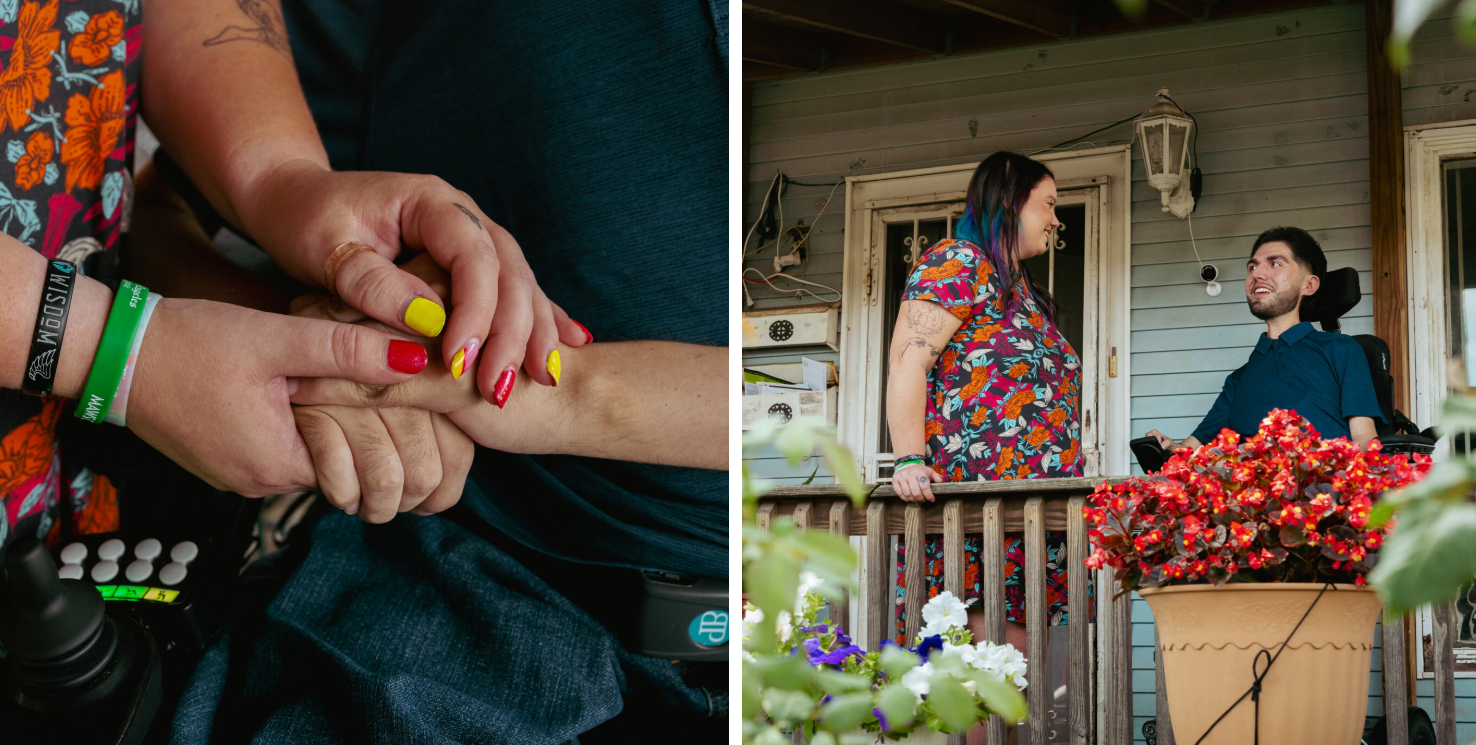
For users such as Andres Rodriguez and Ellen Froliklong, the platform has provided more than a way to meet. The pair matched on Christmas Eve and quickly began talking. Rodriguez uses a wheelchair because of a muscle-wasting disease, while Froliklong has spoken openly about her mental health history.
They talked until 4 a.m. on their first date and have continued to see each other regularly.
Froliklong said Dateability appealed to her because she knew other users would understand disability and chronic illness rather than immediately viewing those conditions as obstacles.
Escaping the awkward conversations
Some Dateability users said they turned to the app after difficult experiences on mainstream dating platforms.
Jessica Stewart, who has a rare congenital condition affecting her digestive and reproductive systems, said she often struggled with when and how to explain intimate aspects of her condition to romantic partners.
Others described being ghosted after disclosing health problems or facing partners who became distant when medical issues affected their relationships.
Collin LaFon, who has cerebral palsy and uses a wheelchair, said mainstream dating apps sometimes made him feel he was competing at a disadvantage because of assumptions about disability, relationships and financial responsibility.
The experiences reflect broader research suggesting people with disabilities are less likely to marry than people without disabilities. Experts say social stigma, misconceptions about disability and structural barriers can all influence relationships.
Built from personal experience
Dateability was created by sisters Jacqueline and Alexa Child during the COVID-19 pandemic. Jacqueline said she lives with lupus, rheumatoid arthritis and other chronic disabling conditions and had several uncomfortable experiences on conventional dating apps.
The sisters launched Dateability in 2022. The service is available through mobile apps and a browser version designed to improve accessibility for people with visual impairments or limited manual dexterity.
Users can identify disabilities or chronic illnesses on their profiles by selecting from a list or entering their own descriptions.
The founders say the platform is not intended to suggest that disabled people should only date one another. People without disabilities can also join.
More than dating
The platform has already produced at least one marriage.
LaFon met his wife, Kaci, on Dateability in 2024. They became engaged later that year and married in September 2025. The couple now hopes to build a home of their own, travel and eventually have children.
Their story highlights the broader purpose of platforms such as Dateability: giving people with disabilities an opportunity to pursue relationships without having to first overcome assumptions about whether they are capable of love, intimacy, marriage or family life.
For many users, the appeal is simple. Instead of explaining why their health condition should not define them, they can begin a relationship with someone who already understands that reality.
Why it matters
Dating platforms have transformed how people meet, but accessibility and social attitudes can still leave millions feeling excluded. Dateability’s growth suggests there is demand for spaces where disability is treated as one part of a person’s identity — not an automatic barrier to romance


5 Comments
Really helpful, thank you. This actually ties into something. One site worth a mention: https://axzo.recruitsync.shop/. It aggregates openings across the country so you can search one place instead of ten. Passing it along in case it’s useful.
I was surprised by how easy it is to withdraw my winnings. No hidden fees and no long waits. I really trust pkwwwb777.
This site has a very welcoming vibe. I love how clean the layout is and the games are top notch. idpopi99
Finally found a site that actually pays out fast. I was a bit skeptical at first but bdrk7777 proved me wrong. Great experience so far!
[7083]Kingbet | Link vào chính thức và cách chơi baccarat online,Truy cập kingbet qua link vào chính thức để tải app kingbet nhanh chóng. Khám phá mẹo quay hũ nổ hũ và nạp tiền qua momo casino tiện lợi. Tham gia ngay! visit: kingbet