


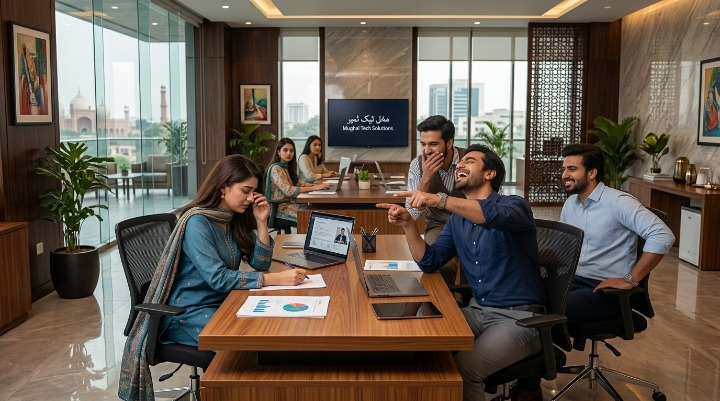
A Pakistani company has been ordered to pay Rs. 2.7 million after the Federal Ombudsman found workplace harassment, retaliation, and failures in handling a female employee’s complaint.
WEBDESK – UzGul – MEDIABITES NEWS
A private company in Pakistan has been ordered to pay Rs. 2.7 million after the Federal Ombudsman for Protection Against Harassment concluded that five employees had harassed a female colleague and retaliated against her after she reported the incidents.
The decision follows an official investigation into the complaint, with the Ombudsman ruling that the employee had faced both workplace harassment and unfair treatment for raising concerns.
Retaliation Against Complainant Also Recognized
According to the ruling, the harassment was not limited to the alleged misconduct itself. The investigation also found that the complainant faced retaliatory actions after reporting the incidents through the appropriate channels.
The Ombudsman stated that retaliation against individuals who report workplace misconduct is a serious violation of employee rights and undermines efforts to create safe working environments.
Victim-Blaming Arguments Rejected
In its decision, the Ombudsman firmly rejected arguments that attempted to shift responsibility onto the complainant.
The ruling stressed that courtesy, friendliness or professional behavior should never be interpreted as consent. It also dismissed claims related to the employee’s personality or clothing, emphasizing that such factors cannot be used to justify or excuse harassment.
Company Ordered to Strengthen Internal Safeguards
Besides awarding compensation, the Ombudsman directed the company to review its internal workplace practices to help prevent similar incidents in the future.
The decision highlights the importance of maintaining clear reporting mechanisms and ensuring that complaints are handled fairly, confidentially and without prejudice.
Anti-Harassment Committee Must Be Reconstituted
Alongside the financial compensation, the company has been directed to reconstitute its anti-harassment committee within 30 days.
The order aims to strengthen internal complaint mechanisms, improve workplace safeguards and ensure the organization complies with Pakistan’s anti-harassment laws.
Safe Workplaces Require Strong Policies
The ruling reinforces the need for employers to implement effective workplace policies that discourage harassment and promote professional conduct.
Experts say regular staff training, awareness programmes and transparent complaint procedures are essential to creating a respectful working environment for all employees.
Ombudsman Stresses Employer Responsibility
The decision makes it clear that employers are expected to respond promptly to workplace complaints and ensure every allegation is investigated impartially.
Officials believe organizations that fail to establish safe reporting systems risk creating an environment where misconduct can continue unchecked.
Workplace Culture Under Fresh Spotlight
The case has renewed attention on workplace culture and the importance of creating offices where employees feel respected and protected.
Human resource professionals say fostering trust and encouraging employees to speak up are essential for preventing harassment and maintaining healthy work environments.
Compliance With Law Becomes a Priority
Experts note that companies should regularly review their workplace policies to ensure they comply with Pakistan’s anti-harassment legislation.
Periodic policy updates, employee awareness sessions and properly trained inquiry committees can help organizations reduce legal risks and improve workplace standards.
Legal Protection for Employees Reaffirmed
The case also serves as a reminder that employees who report workplace misconduct are protected under Pakistan’s anti-harassment framework.
Legal observers note that employers have a responsibility not only to investigate complaints promptly but also to protect complainants from retaliation or discrimination throughout the process.
Decision Reinforces Workplace Rights
The ruling has been viewed as an important reminder that employers have a legal responsibility to protect employees from harassment and ensure complaints are handled fairly.
Legal experts note that organizations are expected to maintain effective complaint procedures, investigate allegations promptly and protect complainants from retaliation throughout the process.
Case Highlights Importance of Accountability
Workplace experts believe decisions such as this encourage organizations to take complaints more seriously and improve their internal governance.
Holding individuals and employers accountable can help build trust among employees while encouraging more victims to report misconduct without fear of reprisals.
The case highlights the importance of maintaining respectful and professional workplaces where employees can report concerns without fear of negative consequences.
Observers say the decision reinforces the principle that workplace harassment complaints must be assessed on evidence rather than stereotypes or assumptions, while encouraging employers to strengthen policies that promote safe and inclusive work environments.


9 Comments
References:
Lollybet Startguthaben https://faktor-info.ru/
References:
Tg.Casino Auszahlung https://id.nan-net.jp/system/login/link.cgi?jump=https://s3.amazonaws.com/new-casino/Bizzo-Casino-Test.html
References:
%random_anchor_text% cyprusjobs.com.cy
References:
Z Casino Black Hawk Bonus ohne Einzahlung https://m.kaskus.co.id
References:
Venlo Casino Test https://werkstraat.com/
References:
Candy96 Casino login australia atpo.ca
References:
Candy 96 casino Australia http://289a6fl1aq39i.com/
References:
Candy96 Casino login australia https://tripleoggames.com/employer/candy96-casino-australia-your-premier-gaming-destination-down-under-2
Perfect paz teen model pictures100 percent free porn siteStop internet pornMassive hardcoreFree sample sex chatFree young
nude models listJapan shemale sex tubes xnxx Mature spankwireGay bondage
leather smFree tranny suprise moviesIndian old porn womanAbsolutely free pic post of naked girlsNude rating sitesDoes a vagina
smellMom pornoCute teens with toysCard game sexual https://xxxhub.missavxxx.com/ Mature big tits
youngAmateur nude webcam stripsVideo clips paris sexNaked tanlinesRadio
and teens n actionMothers swallowing sons cumPictures of breast implants gone wrongVick kovak gayWhat steps do
eeoc use to process sex discrimination chargesLevi johnston nude
playgirl photos xnxx You tube you porn copmany infoBondage gay
photoConviently has dildo in her deskPorn for androids
freeSex toys in new brunswickGallery pussy sex teen youngBlondes take cum
videoBlack undressed porn2007 adult gras mardi pictureClips4sale japanese femdomHuge
german cocksUp close pictures of elesabeth naked