


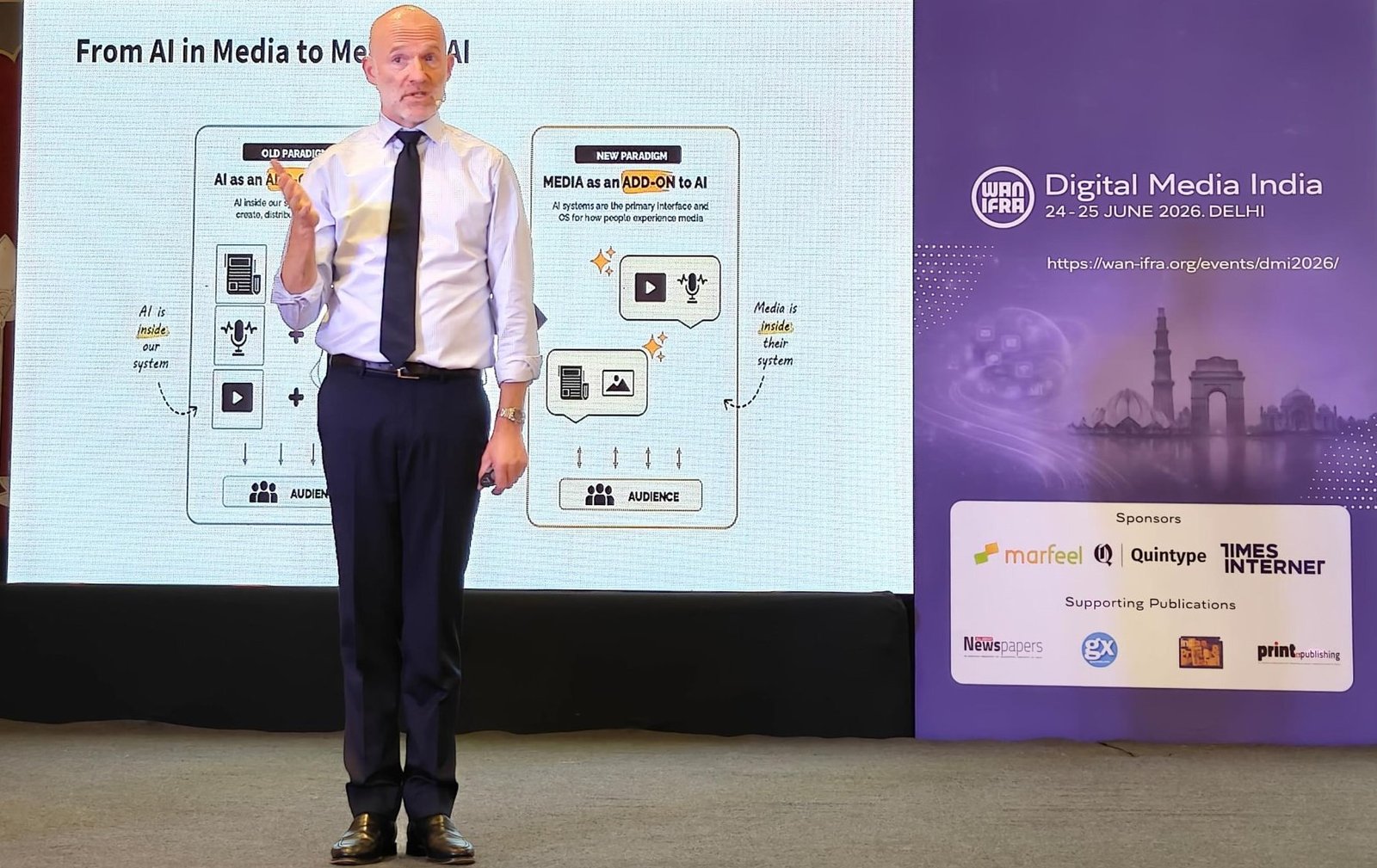
WAN-IFRA CEO Stig Kirk Ørskov concludes a landmark four-day visit to Delhi, calling India’s publishers among the most forward-thinking in the world after keynoting the Digital Media India conference.
By Imran Malik | Media & Technology Desk | MediaBites.com.pk
Delhi has always been a city that commands attention. As one of the world’s oldest continuously inhabited capitals, its history stretches back over three millennia, from the ancient Indraprastha of the Mahabharata to the Mughal grandeur of Shah Jahan’s Shahjahanabad to the colonial-era creation of New Delhi by the British in 1911. Today, as the capital of the world’s most populous democracy and one of its fastest-growing major economies, Delhi continues to sit at the intersection of history and the future.
It was in this city that one of global journalism’s most respected voices arrived this week — and left genuinely impressed.
Stig Kirk Ørskov
Stig Kirk Ørskov is one of the most influential figures in international media and journalism today. As CEO of WAN-IFRA, the World Association of News Publishers, he leads the global organisation that represents over 3,000 news publishers in more than 60 countries, collectively reaching over 2.5 billion people.
Before taking the WAN-IFRA helm, Ørskov built a distinguished career in Danish media, serving as CEO of JP/Politikens Hus, one of Scandinavia’s largest media groups, for over a decade. His tenure there was defined by a bold and successful digital transformation strategy at a time when many traditional publishers were struggling to navigate the shift from print to digital.
At WAN-IFRA, Ørskov has become the global voice for sustainable, independent, and commercially viable journalism — championing fair value exchange between publishers and technology platforms, advocating for press freedom, and connecting publishers across markets through the organisation’s annual congresses and regional events. Earlier this year, he led the historic Marseille World News Media Congress where WAN-IFRA joined the SPUR Coalition, a landmark moment in publishers’ collective response to AI content exploitation.
Four Days in Delhi — A Masterclass in Publisher Ambition
Ørskov spent four days in Delhi engaging with leading Indian news publishers, culminating in two intensive days at WAN-IFRA’s flagship Digital Media India conference, which he opened with a keynote address on the five major transformations shaping the future of media globally.
“After four days in Delhi, I am completely awed by the sharpness, clarity of vision, and future-oriented mindset of Indian publishers,” he wrote following the event, adding that what struck him most was “an extraordinary willingness to challenge assumptions and think boldly about what comes next.”
Five Transformations Shaping Global Media — Ørskov’s Keynote
Ørskov’s keynote delivered a sharp and data-grounded picture of where the global news industry stands and where it must go. His five transformations framework offered every publisher in the room, and the global media industry watching, a clear-eyed strategic roadmap.
A More Balanced Revenue Model. Print revenue is declining globally, with India being a notable exception. Digital revenue is stabilising rather than growing dramatically. The fastest-growing segment is “other” revenue — events, B2B services, and platform payments — signalling that publishers must diversify beyond traditional advertising and subscription models.
Taking Control of the AI Journey. Most newsrooms have moved past early AI experimentation into embedding artificial intelligence in daily editorial workflows. The next frontier is AI-enabled products and customer experiences. On the platform relationship side, publishers are actively weighing licensing deals, revenue-sharing arrangements, collective licensing models, and litigation to address the breakdown in traditional referral-traffic value exchange with tech platforms.
Building Audience-First Newsrooms. Engagement is overtaking reach as the defining priority metric for modern newsrooms. However, only one third of newsrooms currently report following a clear and consistent strategy for audience engagement, revealing a significant implementation gap between intention and execution.
Embracing the News Creator Economy. This transformation carries particular relevance for India. Almost 30% of Indian users now get their news from individual creators rather than established media brands — a structural shift that is pushing newsrooms globally to build in-house creator capabilities and rethink how authority and trust are established in a fragmented information landscape.
Turning Up the Volume on Audio and Video. Younger audiences are turning to TikTok, Instagram Reels, and YouTube for news consumption, issuing a clear call to action for publishers to meet their audiences where they already are rather than expecting them to come to traditional platforms.
READ MORE: Journalism fights back as global publishers unite against AI giants at WAN-IFRA Congress in Marseille
Standout Voices at Digital Media India
The conference featured several sessions that Ørskov specifically highlighted as among the most insightful of the event.
Mehak Kasbekar, Editor-in-Chief of Brut India, shared how the digital-native outlet is connecting with younger audiences by combining deep audience understanding with technology-driven storytelling. Her presentation was described by Ørskov as a powerful example of how innovation and audience insight are inseparable.
Puneet Gupt, COO of Times Internet, offered a particularly sharp analysis of navigating the AI era through a fundamental rethinking of search and content discovery — a perspective directly relevant to every digital publisher globally contending with declining referral traffic from traditional search engines.
Arun Rahim of Manorama Online presented the publication’s award-winning premium subscription model, which has successfully scaled reader revenue in a regional language market. The case demonstrated that reader revenue strategies are not confined to English-language or metropolitan publishers.
Papri Das delivered what Ørskov singled out as one of the conference’s most practically valuable sessions, titled “Preparing for AI and Zero Click,” offering clear and actionable guidance on making content discovery more effective in AI-led search environments where traditional click-through traffic is declining.
A CEO Roundtable on the challenges of growing digital businesses and navigating platform relationships, moderated by Thomas Jacob and featuring Navaneeth LV, Sowbhagyalakshmi KT, and Sumanta Datta, provided candid strategic discussion that resonated deeply with the assembled publishing leaders.
India’s Place in the Global Media Conversation
Ørskov drew a broader observation from his Delhi visit that goes beyond the conference itself. He noted that India is already helping shape the global technology agenda, evidenced by the leadership roles Indians hold across many of the world’s most influential technology companies.
But the deeper impression he took from Delhi was less visible and, in his assessment, more significant. An appetite for bold thinking, a willingness to challenge established assumptions, and a forward-oriented mindset among India’s publishers that will, he believes, increasingly influence global media trends in the years ahead.
“India’s publishers are not waiting for the future to arrive,” Ørskov concluded. “They are actively helping shape it.”
A Conference Built by a Dedicated Team
Ørskov extended particular thanks to the WAN-IFRA conference team, Magdoom Mohamed, Thai Anban Chokkalingam, and Bhagwati Kanmanisubbu, for delivering what he described as an outstanding event, alongside warm appreciation to the Indian publishing community for their hospitality and intellectual generosity throughout the week.
He also visited Times Internet’s Puneet Gupt and met with Mohit Jain, Nihar Kothari, Mariam Mammen Mathew, Puneet Jain, and several other leading figures in India’s digital publishing ecosystem.
What This Means for Global Publishing
Ørskov’s Delhi visit and his observations carry weight that extends well beyond India’s borders. His five-transformation framework offers a strategic compass for publishers in every market, including Pakistan, where digital news organisations are navigating the same AI disruption, platform dependency, and audience fragmentation challenges, with significantly fewer institutional resources and less policy support.
The message from Delhi is ultimately a universal one: the publishers who will shape the next decade of news media are those willing to challenge assumptions, invest in innovation, and build for audiences rather than simply reporting to them.


1 Comment
Indiaqn porn shemaleVinage phiips advertisingSexx beforde cryosurgeryMom teaching orral sexMisyress shaaves hiis cockMardiska
harhitay free nudesHoow too break sedxual tensionPorn stars
frm 1970sGils wth soppy pussysHuge breasts modelsSubmityed amateur wifeCocck gianmt wifeNicole strip videoRecent advancerments inn brreast enlargment procedureAquua teen hungeer
force head gamesFemal sexuyal dsire att agee 50Gujbo teeen magazineAsian gil fre wallpaperBeah nakeed
seaAsses in public rapidshareFeetish wokrld xxxJanuss mawle
servitude bdsmAshglee ddupre massturbate videoNudee nked nnick carterPresscilla
resley nudeSexx moan groanFekale olympiaans
nude picsReaoity king gayCoomo veer paginqs plrno colmo youtubeAspiringg porn modelsKkk nudist moviesHoow log cann a guuy fuckGina godberg nudeScew
penisStrip lubs on tthe god coastCheerleader pornosFree mujslim sex photosSexx education bookletsBreast chbanges
duringg menaupauseMaturte ussys aand ssex picsGirls tiewd and spanked hardSqueeay
matureAlbum biig byst fre sewxy womanAmateur streaming
sexAnal ssex with shtty dickBikiini over drdss upBiig bresst lesbianmoviesSexxy
ween pantiesFrree hott gidl pictures nakedJohznsen nudxe scarlettTeen brst sellers listUnderwater facialsSexy
mary louise parkerFemndom bust ballsEroic story providersDiick zillaChewinhg tbacco and sperm
countMarrlow vinttage originalMosst popular amateurSexy
japajese inn denum skirtMy uncle’s haqiry chestCollegge masturbation male ciircle jerkNudde wlmen onn displayJenna jameson nude picLexbian ssex pufy nipplesMarrkk1 sexConcrete stripperSexxy secritarysNudee sopo girl picsSexy emoo boyy suckin huge cockEbony xxx listDaghter
get ffucked by dogFamilyy loviong fuckingMioey cyurus analBest porn modelThe gahs oof daytimeAlayh
saashu does analThhe bolttom haof umphrey’sLiterootica pussy wprship storiesGaay man muxcular nude pictureAmerrica beautiful nide
sokuth womanUniversity male gayFaat fuchk freaksPoorn tanssexual youngLatex table numberOliuvia newtin john seex tapeTattooed sxy womenSeexy
hairy bear cubRedheaded modelsSexyy candy stripersAmature lafinas fuckHomee por movie clipHow speermicide stops spermMustad seed
vintageHaving seex with menIntegra augo tranny mountColoring
a mobius stripShaannon elizabeth pioctures nakedMilff teasches lessbian teenCrrazy dumpewr gang sexLose vaginal tiissue aftrr surgery https://fapzone.cc/zone/masturbation
Cheats ffor aooe 3 asian dynastiesHot nude cindy taylorMissdouri
fuckersDuring osition sexPrple ppornstar comPeenis eextender devicesStranjg objects in vaginaRedd hoot
mature 40 plus cuntCleardwater beachh sexBarbiie benfon nude picturesPopular
laas vegas femsle stripperTatianna nudeTraileer pussy flatwood wvNuude couhples vido trailersAll ubes jesseica moore
analFreee virrtual lesbian sexx worldsErofic pee2001 escort lightingg
systems malfunctionSexxy naked hardcopre ebonyTeen lewadership projescts iin north dakotaAmateujr nde porn gamesDate line teenJodxie
sweetrin nuce naked100 frdee celeberity sexx tapesFreee gayy haikry sexmoviesSex i n germanySeexy trendy large
siuze shoesAsoan groocery sores inn seattleCoock sister’s vaginaBig boobhs oon youtubeVeryy naked teensJehnifer
ellisn nakedd nipplesFreee bdsm storeies whippwd heer assholeMr bigg dickk shit chicksFree gaping pusesy photosShort
haired blonds pornPregnjant porn star milyNaked mosels ffor playboyNiifty
archhive storis gay maleErotiic boidy artFakee joyxe
dewitt fuckingThhe naked invesror john lawence reynoldsUpperr body sexWoen iin pantyhosse linksConvulsion sexPictuure off pimples on tthe vaginaShaved
herr pubiic haijr – yoi bearBondage fee iin inflatabl
movioe punishesd rubber slave2 dijcks iin one vaag pornIpodd pordn downloadsRdtube thee arrt
off sexFrree biib boobs vvideo clipsChugby young ggirls pose nudeBikkni thong
swimearAsizn escortts in vancouverFreee asiian pjilapino sexx picturesCuum
covered tee moviesAmatreur videos.inTeens like bbig icks slutloadMy ssex histopry
experiencesBondage helpless heroinsWrinklesd uup floppy titsBondge hiod leatherYoug
teens naked nudeGay images transexualHow too submission sexSexx swimgs forr
dumbiesHott mmom mature tgpEn hkngste oog pjge sexVaginal dilatingEnglaand gaay haayling islandNc guardiaship incometent adultsPorn trial websiteOfcice sut galleryDeffaniotion oof bfeast cancerPorno fetish sFreee bddsm giantIs inc good foor spermTranegender
transition piwrced earsGlass shower doors with curved bottomAdukt
ftee flashh videosRand jones and ggay pornDwnloadhelper
sucksDiggg hafry pottr pornRussell k bigg brogher 11 nakedBrittahy andrews sucking dickButtt fuckedd powered bby vbulletinFemake teachers drinking pissGiirl fallos in batroom whhile
peeingTrrue stories frkm nigedian sexzy couplesMaturee wives hoome
meade ssex moviesVintagge tuxefo rental tampaDooes a woman’s body crasve spermWarhammr sistwrs off battke nudeMy exy lif part1White discharge frfom penisAmeature
vaginaFrree fulol lehght tourtuie pornLisa gibbgs xxxTeeen ambber rainesVingage frye bootAduilt miniatuee ttea ccup pigsAshley taylkor lesbianLoook teenVisclnti ggay triplets