


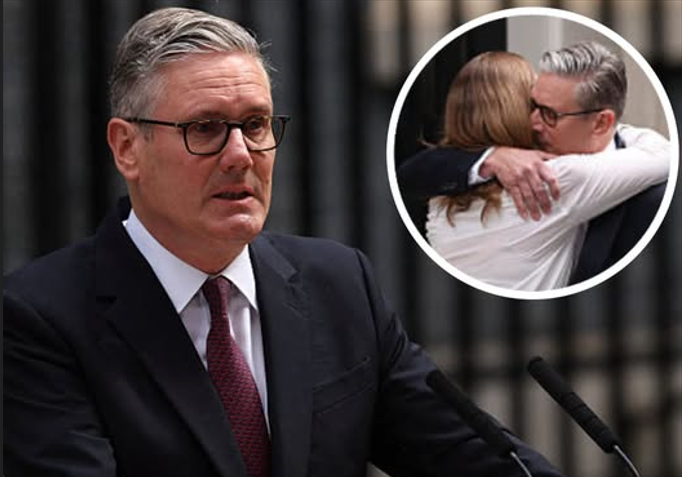
From economic turmoil and falling popularity to the Epstein controversy and clashes with Donald Trump over Iran, crises piled up rapidly around Britain’s PM Keir Starmer.
WEBDESK – MEDIABITES NEWS – IMRAN MALIK
British Prime Minister Keir Starmer has announced his resignation as Labour Party leader after mounting political pressure, internal party unrest and a series of crises that severely damaged his popularity less than two years after his landslide election victory.
Starmer, who came to power promising stability after years of political chaos in Britain, said he would step down to allow a new Labour leader to take charge before Parliament reconvenes in September.
His exit follows months of declining approval ratings, poor local election results across England, Scotland and Wales, and growing concerns within Labour over whether he could lead the party into the next general election.
Political analysts say a combination of economic hardship, foreign policy tensions and damaging controversies gradually weakened Starmer’s leadership.
One of the earliest blows came after reports revealed senior ministers had accepted expensive gifts, including concert tickets for global pop superstar Taylor Swift, at a time when Britain was facing economic difficulties and rising inflation.
Although no rules were broken, critics accused the government of appearing disconnected from ordinary voters struggling with the cost-of-living crisis.
Starmer also faced backlash over several policy reversals, including scaling back green investment commitments, welfare reforms and inheritance tax changes. At the same time, his government came under fire from conservatives over rising illegal migration across the English Channel.
Economic pressures intensified further after the wars in Ukraine and Iran disrupted global energy markets. Britain, heavily dependent on imports, was considered among the most vulnerable developed economies to the Middle East energy crisis, according to IMF assessments.
Meanwhile, Starmer’s troubles deepened after controversy surrounding Britain’s ambassador to the United States, Peter Mandelson. Documents linked to convicted sex offender Jeffrey Epstein reportedly revealed new details about Mandelson’s relationship with Epstein, triggering investigations and political outrage.
Critics questioned Starmer’s judgment for appointing Mandelson despite longstanding concerns over the diplomat’s association with Epstein after his criminal conviction.
The controversy damaged Starmer’s image as a competent and stable leader and became one of the defining scandals of his premiership.
Relations with U.S. President Donald Trump also became increasingly strained. While Starmer initially attempted to build close ties with Washington, tensions reportedly escalated over Britain’s position on the Iran conflict.
After initially refusing involvement, Starmer later allowed British military bases to be used for what were described as “defensive” strikes on Iranian missile facilities by U.S. forces — a move that angered both Trump allies and anti-war supporters within Labour.
Trump publicly criticised Starmer over immigration and energy policies and even hinted at his resignation in a social media post shortly before the British leader announced his decision.
Adding to Starmer’s difficulties, the right-wing Reform UK party surged ahead of Labour in opinion polls by early 2025 and maintained its lead, fueling panic within Labour ranks after disappointing local election performances.
Observers say Starmer’s downfall highlights how quickly political fortunes can shift in modern British politics, where economic instability, foreign policy crises and public trust scandals can rapidly erode even a historic electoral mandate.


2 Comments
Pingback: essentials fear of god
Pingback: ป้ายไฟล้อเลื่อน