


Pakistan targets 4% GDP growth in FY27 with an Rs18.77 trillion budget, higher defence spending, tax relief for the salaried class, and ambitious development plans amid regional uncertainty.
Pakistan on Friday announced a Rs18.77 trillion federal budget for FY2026-27, aiming to push economic growth to 4% while keeping inflation at 8.2% amid regional tensions and global uncertainty.
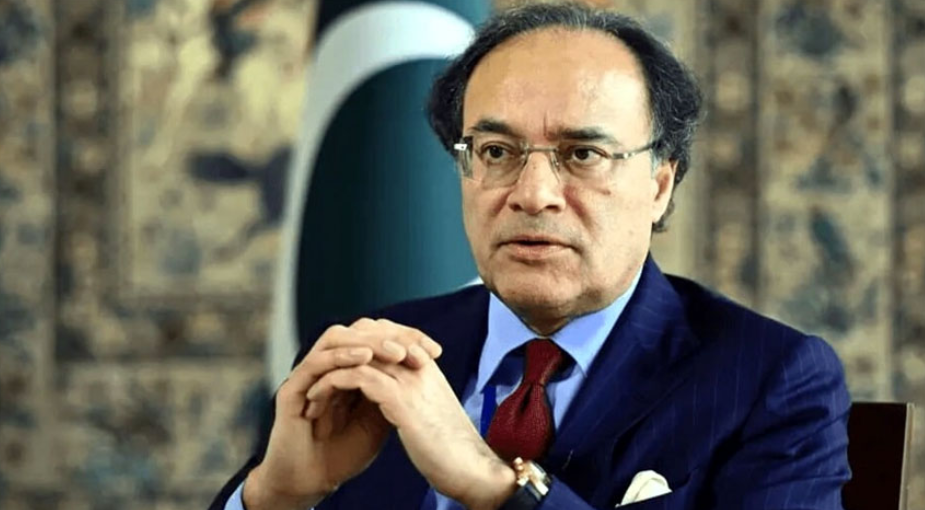
Finance Minister Muhammad Aurangzeb presented the budget in the National Assembly, calling it a transition “from stabilization to sustainable growth”.
Key highlights of FY27 budget
- GDP growth target: 4%
- Inflation target: 8.2%
- Total federal budget outlay: Rs18.77 trillion
- Defence budget: Over Rs3 trillion
- Federal PSDP allocation: Rs1 trillion
- FBR tax collection target: Rs15.26 trillion
- Budget deficit target: 3.6% of GDP
- Primary surplus target: 2% of GDP
Relief for salaried class
The government announced several tax relief measures for salaried individuals after years of rising tax burden.
- Tax rate reduced from 23% to 20% for annual income between Rs2.2m and Rs3.2m
- Tax reduced from 30% to 25% for income between Rs3.2m and Rs4.1m
- Tax lowered from 35% to 29% for income between Rs4.1m and Rs5.6m
- 9% surcharge on high-income earners abolished
- First six super tax slabs removed
However, the monthly tax-free income threshold remained unchanged at Rs50,000.
Salary, pension and wage increases
The government proposed:
- 7% increase in salaries of federal employees
- 7% rise in pensions
- 10% increase in minimum monthly wage
Defence spending jumps
Pakistan allocated more than Rs3 trillion for defence in FY27, citing growing regional security challenges and geopolitical uncertainty.
Aurangzeb said the increased allocation was necessary “to make the country invincible due to uncertainty in the region.”
Major development allocations
The government earmarked Rs1 trillion under the Public Sector Development Programme (PSDP), focusing on:
- Water infrastructure
- Energy transmission
- Road connectivity
- Digital transformation
- Climate resilience projects
Additional allocations include:
- Rs365 billion for transport sector
- Rs103.1 billion for hydro projects
- Rs46 billion for higher education and research
- Rs25.1 billion for health sector
- Rs838 billion for BISP
Property sector gets major relief
To boost construction and real estate activity:
- Property purchase tax for filers cut from 2.5% to 1.5%
- Property sale tax reduced from 5.5% to 2.75%
- Capital Value Tax (CVT) on foreign assets abolished
New taxes and policy measures
The budget also introduced fresh measures including:
- FED on imported luxury SUVs and expensive EVs
- Rs80 per litre FED on petroleum-based solvents
- Tax exemption for IT sector extended till 2029
- Export proceeds tax reduced from 2% to 1.25%
- Taxes on contraceptives eliminated
Economic challenges remain
The budget comes as Pakistan remains under an IMF programme and faces risks from volatile oil prices and tensions in the Middle East.
The government warned that any prolonged regional conflict could impact inflation, imports and Pakistan’s external account in the coming fiscal year.


1 Comment
Pingback: https://zeynqoi.kz/zq-metadop