


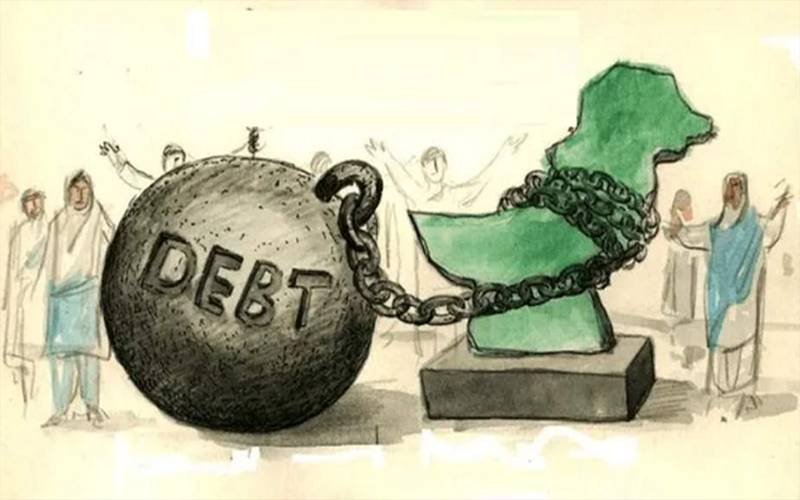
Pakistan’s growing public debt has reached a level that economists describe as increasingly concerning, with the average debt burden per citizen rising to approximately Rs333,000 after a 13% increase over the past year.
According to the latest official figures, the per capita debt increased by nearly Rs39,000 during the last fiscal year, reflecting the continued expansion of the country’s borrowing requirements. Experts warn that the rising debt load is putting additional pressure on both the government and the broader economy.
Data shows that Pakistan’s total public debt has exceeded Rs80.5 trillion, accounting for around 70% of the country’s Gross Domestic Product (GDP). Meanwhile, the overall debt stock has climbed to Rs97.3 trillion, up from Rs89.8 trillion a year earlier—an increase of approximately Rs7.5 trillion in just 12 months.
The report further notes that the average annual income per Pakistani is estimated at Rs532,000, meaning a significant portion of an individual’s yearly earnings is now equivalent to the debt burden carried on a per-person basis.
Economists point out that with Pakistan’s GDP standing at roughly Rs127 trillion, the country’s debt-to-GDP ratio has reached 76%, a level that highlights mounting fiscal challenges. To explain the situation in simple terms, experts compare it to a household earning Rs127 while carrying Rs76 in debt.
Economic analysts have cautioned that if borrowing continues to grow at the current pace, the government may face greater difficulties in maintaining fiscal discipline, funding development projects, and supporting public welfare programs in the years ahead.


1 Comment
Pingback: скачать султан казино