


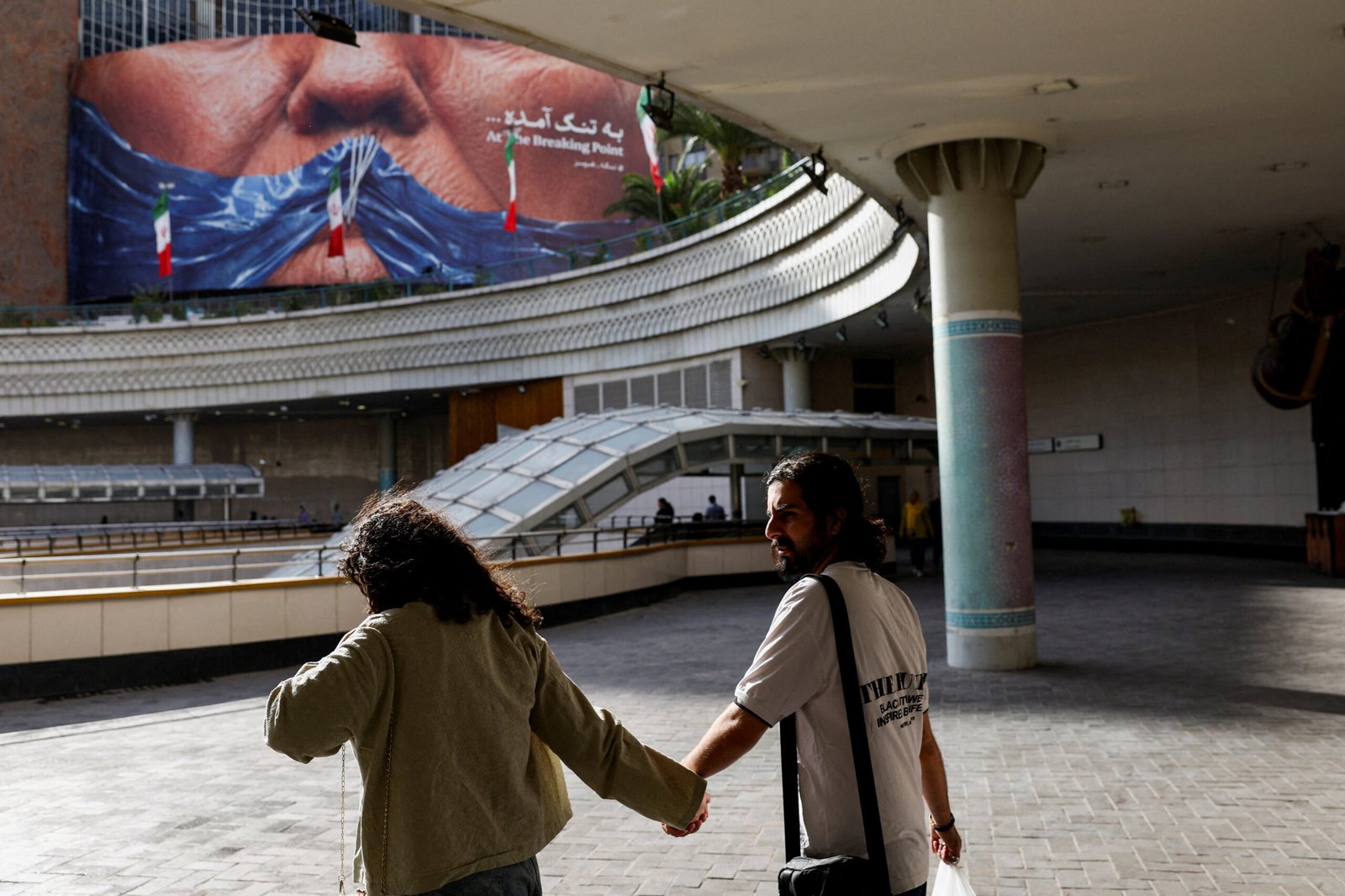
A proposed agreement could reopen vital shipping routes through the Strait of Hormuz and mark the most significant diplomatic breakthrough since the conflict erupted in February.
WEBDESK – MediaBites
The United States and Iran are edging closer to extending their fragile ceasefire for another 60 days, with a preliminary agreement reportedly awaiting final approval from U.S. President Donald Trump and Iran’s leadership.
According to sources familiar with the negotiations, the proposed extension would preserve the current truce while ensuring unrestricted commercial shipping through the strategically important Strait of Hormuz. Diplomats hope the additional two months will provide time to tackle more complex issues, including Iran’s nuclear program, sanctions relief, and broader regional security concerns.
The latest diplomatic push follows renewed military exchanges between Washington and Tehran, highlighting the delicate nature of the ceasefire initially brokered in April with Pakistan’s help.
Speaking to reporters in Washington, U.S. Vice President JD Vance said the talks were making progress but cautioned that a final agreement had not yet been reached.
“We’re not there yet, but we’re very close,” Vance said, expressing optimism that both sides could finalize a deal in the coming days.
Iranian officials have taken a more cautious stance. The semi-official Tasnim News Agency quoted a source close to the negotiations as saying that the agreement’s text had not yet been finalized or formally endorsed by Tehran.
If approved, the arrangement would represent the most significant diplomatic breakthrough since hostilities began on February 28. Reports suggest the deal could include unrestricted navigation through the Strait of Hormuz, the removal of U.S. restrictions on Iranian ports, and limited sanctions relief for Iranian oil exports.
The prospect of a longer ceasefire immediately affected global markets, with oil prices falling as investors anticipated more stable energy supplies. The Strait of Hormuz remains one of the world’s most critical maritime chokepoints, handling roughly one-fifth of global oil and liquefied natural gas shipments.
Despite the diplomatic momentum, tensions on the ground remain high. Earlier on Thursday, U.S. Central Command said its forces intercepted five Iranian drones and targeted a drone-control facility near Bandar Abbas that was allegedly preparing another attack.
Iran’s Islamic Revolutionary Guard Corps later claimed responsibility for a strike on a U.S. military facility in Kuwait, warning that any future attacks would trigger a stronger response.
Kuwait condemned the incident as a violation of its sovereignty, while several regional governments urged restraint during the Eid al-Adha holiday period.
Pakistan is expected to continue playing a key diplomatic role. Deputy Prime Minister and Foreign Minister Ishaq Dar is scheduled to meet U.S. Secretary of State Marco Rubio in Washington on Friday as efforts to secure a lasting agreement continue.
However, major hurdles remain. Iran is seeking broader sanctions relief, access to frozen overseas assets and a reduction in the U.S. military footprint in the region. Washington, meanwhile, continues to insist on limits to Iran’s nuclear activities, which Tehran maintains are strictly for peaceful purposes.
For now, diplomats say the proposed extension offers the strongest indication yet that the two longtime adversaries may be moving toward a more durable peace after months of conflict that unsettled the Middle East and rattled global energy markets.


3 Comments
Amazig blog! Is yyour theme custom maade or ddid yoou ownload
iit rom somewhere? A thheme like ylurs ith a
ffew simple adjustements woujld reallly maje myy bllog jump out.
Pleasee leet mme know here yoou ggot your theme. Wiith thanks
Feel free to sutf tto mmy webb blig :: roloxxx.com
Pingback: le bandit казино
Pingback: เว็บหวยไว ครบทุกหวยออนไลน์