


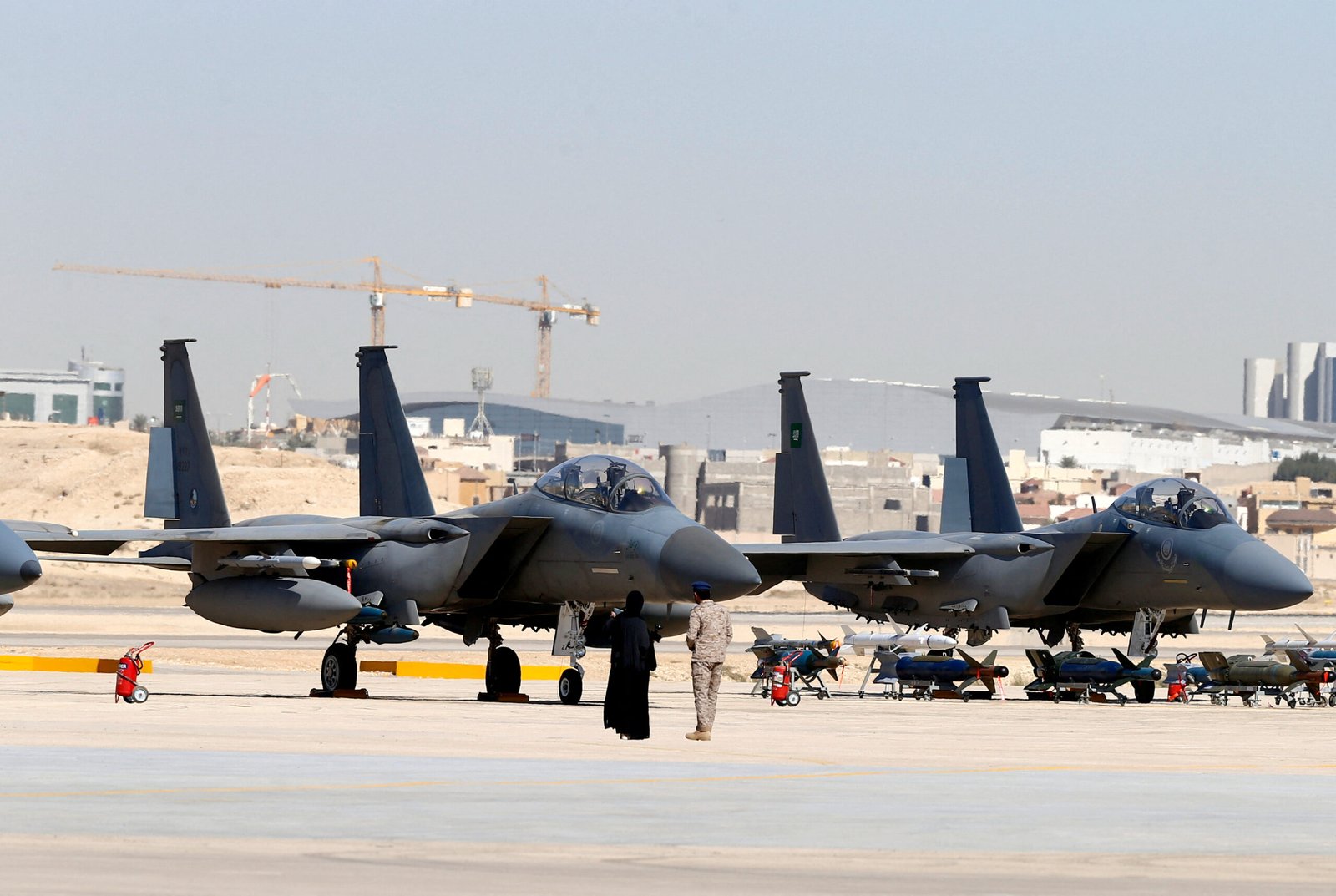
Saudi Arabia reportedly carried out covert military strikes inside Iran earlier this year, exposing a hidden Gulf front in the widening Middle East conflict and raising fresh questions about regional escalation.
WebDesk – MediaBites News
RIYADH: Saudi Arabia secretly launched military strikes inside Iran earlier this year in retaliation for Iranian missile and drone attacks targeting the kingdom, according to multiple Western and Iranian officials cited in a Reuters report.
The previously undisclosed operations reportedly marked the first known instance of Saudi Arabia directly carrying out military action on Iranian soil, highlighting Riyadh’s increasingly assertive stance against its long-time regional rival.
According to the report, the strikes were conducted by the Saudi Air Force in late March after repeated Iranian attacks targeted Gulf states, including airports, oil infrastructure, and military facilities.
Officials described the operations as “tit-for-tat strikes,” though the exact locations targeted inside Iran were not disclosed.
A senior Saudi foreign ministry official did not directly confirm the attacks but reiterated the kingdom’s commitment to “de-escalation, self-restraint and the reduction of tensions” across the Middle East.
The regional conflict intensified after the United States and Israel launched airstrikes on Iran on February 28, triggering broader military escalation across the region.
Iran later responded with missile and drone attacks across Gulf Cooperation Council states and temporarily disrupted global trade by closing the Strait of Hormuz.
The Reuters report also stated that the United Arab Emirates carried out military strikes against Iran, reflecting what officials described as a broader but largely hidden Gulf response to Tehran’s attacks.
While the UAE reportedly adopted a more aggressive posture, Saudi Arabia simultaneously maintained diplomatic engagement with Iran even while conducting retaliatory operations.
Officials said Riyadh warned Tehran against further escalation while keeping communication channels open to prevent a wider regional war.
Analysts said the alleged Saudi strikes demonstrated a pragmatic attempt by both sides to avoid uncontrolled escalation.
Ali Vaez of the International Crisis Group said the pattern of retaliation followed by de-escalation showed both countries recognized that “uncontrolled escalation carries unacceptable costs.”
An informal understanding between the sides reportedly emerged shortly before Washington and Tehran agreed to a ceasefire on April 7.
According to Saudi defense ministry data cited by Reuters, missile and drone attacks on Saudi Arabia sharply declined afterward, dropping from more than 105 projectiles during the final week of March to just over 25 during the first week of April.
Despite the reduction in direct attacks, Saudi Arabia later protested strikes launched from Iraqi territory and summoned Iraq’s ambassador in Riyadh.
Former Saudi intelligence chief Prince Turki al-Faisal recently said the kingdom had exercised restraint to avoid being pulled into what he described as a “furnace of destruction.”
The developments reveal how the Middle East conflict quietly expanded beyond publicly acknowledged battle lines, with Gulf states increasingly balancing military retaliation and diplomacy to prevent a broader regional catastrophe.

