


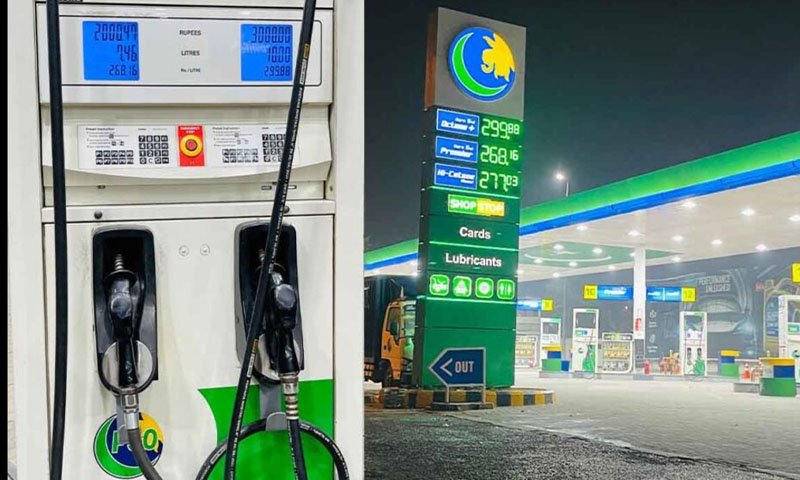
Pakistan’s 21% fuel price increase sparks outrage as global hikes remain far lower, raising fears of an inflation storm and fresh criticism that citizens are paying the price.
WEBDESK – MediaBites News
Pakistan is facing mounting criticism after a steep fuel price increase that analysts say could trigger a new wave of inflation, with critics accusing the government of surrendering to powerful market interests while ordinary citizens struggle with rising costs.
The latest hike has been described by critics as a “petrol bomb on the public,” warning that the increase will ripple across transport, food and basic commodities, pushing millions already living under economic pressure further into hardship.
Pakistan’s increase far higher than global trend
According to international data, Pakistan’s fuel price increase has been among the highest globally.
Reports indicate that Pakistan raised oil prices by up to 21 percent, significantly higher than increases seen in many other countries despite global energy market volatility.
For comparison, oil price adjustments reported elsewhere include:
-
Iran: 6.67%
-
United States: 5.88%
-
China: 5%
-
Germany: 3.75%
-
Turkey: 4.88%
-
United Kingdom: 3.93%
-
Saudi Arabia: 6.45%
-
United Arab Emirates: 4.62%
Meanwhile, some countries — including India and Afghanistan — reportedly did not raise oil prices at all during the same period.
Other regional increases were also relatively modest:
-
Bangladesh: 4%
-
Nepal: 2%
-
Sri Lanka: 1.37%
Inflation fears growing
Economists warn the sharp increase could unleash a fresh inflation wave in Pakistan, where fuel prices heavily influence transportation costs, food supply chains and electricity generation.
Higher fuel prices typically cascade through the economy, raising the cost of goods and services across multiple sectors.
For many households already grappling with inflation and stagnant incomes, analysts say the increase could worsen living conditions.
Critics question government priorities
Critics argue that the government’s explanation — that global oil prices have risen — does not fully explain why Pakistan’s increase is significantly higher than in many other economies.
Some analysts claim the move may also allow authorities to recover fiscal losses or generate revenue from previously imported oil stocks, a practice that has long been debated in Pakistan’s energy policy.
Opposition voices and activists say the situation reflects deeper structural problems in the country’s energy market, including alleged influence from powerful business interests and weak regulatory oversight.
Public frustration rising
With fuel costs directly affecting daily life, the increase has already sparked strong reactions on social media and among political commentators.
Many warn that if the price surge translates into another round of sharp inflation, public anger could intensify in the coming weeks.
Analysts say the key challenge for the government will be managing economic stability while preventing the fuel shock from turning into a broader social and political crisis.


5 Comments
**prostafense**
ProstAfense is a premium, doctor-crafted supplement formulated to maintain optimal prostate function, enhance urinary performance, and support overall male wellness.
B955gamedownload is legit! Downloading games has never been easier, and the selection is impressive. Give it a shot at b955gamedownload. Get ready to play!
M88A2Hercules is a total powerhouse! I’ve been blown away by the gaming experience. See for yourself at m88a2hercules. You won’t be disappointed!
66bhp is my guilty pleasure. It’s got everything I’m looking for in a gaming platform. Check it out at 66bhp. Just try not to get *too* addicted!
Pingback: อะไหล่มอเตอร์