


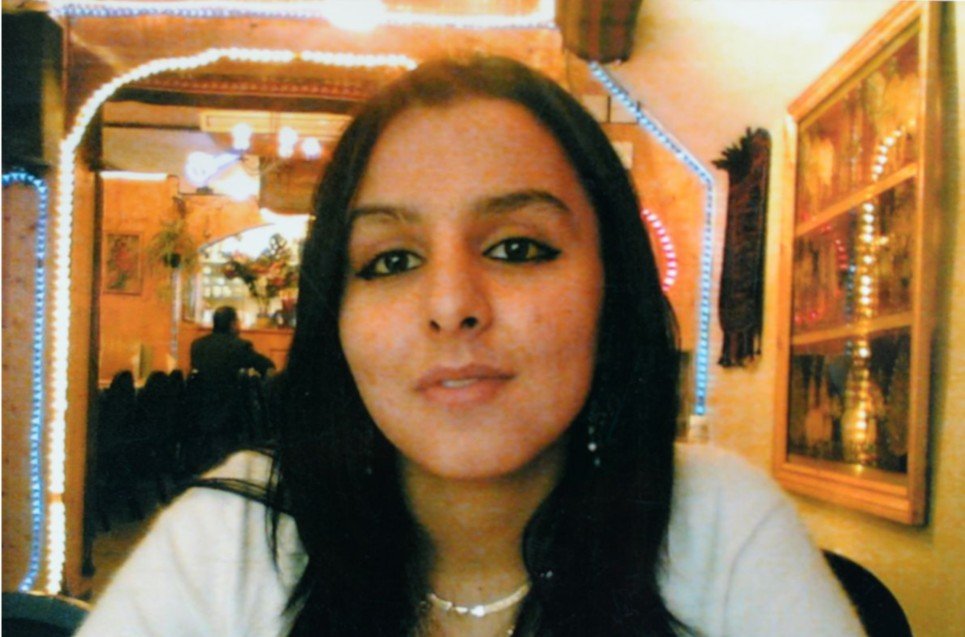
In January 2006, 20-year-old Banaz Mahmod was killed by relatives in a so-called honour crime, exposing brutal violence, ignored police warnings, and systemic failures that still haunt Britain.
WEBDESK – MediaBites – January 10, 2026
In January 2006 — exactly 20 years ago this month — 20-year-old Banaz Mahmod, a British woman of Iraqi Kurdish descent, suffered a horrific fate in what became one of the UK’s most shocking and high-profile so-called “honour” killings.
Banaz had been forced into an arranged marriage at just 17 to a man ten years her senior. The union was marked by repeated beatings and rapes, leading her to leave her husband and return to her family home. There, she fell in love with Rahmat Sulemani, a man of her own choosing — a decision her family viewed as bringing unbearable “shame” upon them and their community.
Desperate and terrified, Banaz reported her fears to the police at least five times, detailing death threats from her family and even naming the men she believed would kill her. Tragically, her pleas were largely dismissed or mishandled, allowing her worst nightmare to unfold.
On the morning of January 24, 2006, Banaz was lured to her parents’ home in Mitcham, South London. While her parents were absent, three men — including hired associate Mohamad Hama and her cousins Mohammed Saleh Ali and Omar Hussain — subjected her to over two hours of unimaginable torture and rape in the living room. Her cousins reportedly pinned her down during the assault. She was then strangled with a ligature (described in some accounts as a bootlace or cord).
Her body was stuffed into a suitcase, transported to Birmingham, and buried in a garden, where it remained undiscovered for three months until April 2006.
The murder was orchestrated by her father, Mahmod Babakir Mahmod, and uncle, Ari Agha Mahmod, who deemed her relationship unacceptable and planned the killing to “restore honour” within their Kurdish community.
All involved were eventually convicted:
Her father and uncle received life sentences with minimum terms of 20 and 23 years, respectively.
The perpetrators, including Mohamad Hama (who later boasted about the rape and stamping on her neck), and the cousins received life terms with long minimum periods.
Banaz’s courageous video recordings and handwritten warnings, made in fear for her life, later helped secure justice. Her case exposed serious failings in police responses to honour-based abuse and sparked lasting reforms, documentaries (like Banaz: A Love Story), and the ITV drama Honour.
Two decades later, her sister Bekhal Mahmod continues campaigning for stronger protections, including “Banaz’s Law,” to better safeguard victims of honour-based violence.
Banaz’s story remains a heartbreaking reminder of the deadly consequences of control, shame, and systemic oversights. May she rest in peace, and may her legacy drive real change.


1 Comment
This is my first time pay a quick visit at here and i am really happy to read everthing at one place