


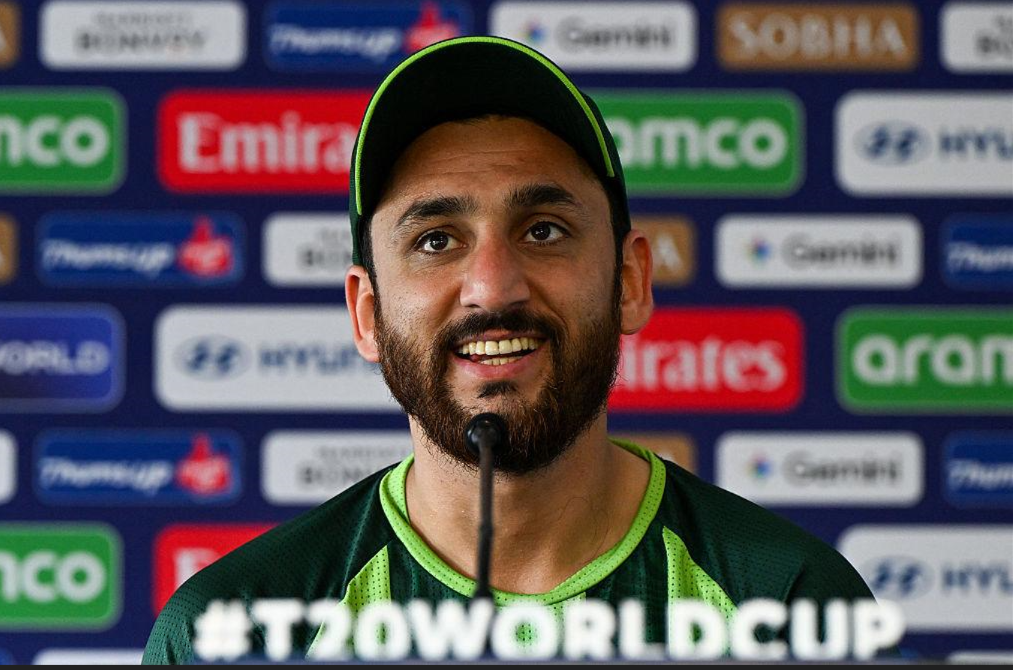
The Pakistan Cricket Board (PCB) has fined each member of the national T20 World Cup squad Rs5 million (around $18,000) following the team’s disappointing exit — but the decision has sparked a sharp debate: have the players been punished to protect the board from scrutiny?
Pakistan crashed out in the Super Eight stage, marking the fourth consecutive ICC men’s tournament without a semi-final appearance — an unprecedented slump in the country’s cricket history.
According to sources, the fines were imposed strictly for “poor performance,” not disciplinary violations. The penalty was reportedly communicated after Pakistan’s heavy 61-run defeat to India in the group stage, with players told the fine would be waived if the team reached the semi-finals.
They didn’t.
A washout against New Zealand and a defeat to England dented qualification hopes, while a narrow win over Sri Lanka came too late to salvage the campaign.
Players fined — but what about selectors and coaches?
While the entire squad has been penalized financially, there has been no official action announced against the selection committee, coaching staff, or senior management.
That omission has raised uncomfortable questions.
Was the squad composition correct?
Were conditions assessed properly before selection?
Was tactical planning up to the mark?
Did inconsistent selection policies hurt team balance?
Captain Salman Agha has faced criticism for leadership decisions, but team strategy, preparation, and long-term planning fall under broader administrative responsibility.
Yet, no fines — or even public accountability — have been directed at decision-makers.
PCB safe, players exposed?
On social media, a growing narrative suggests the PCB acted swiftly against players to shield itself from backlash.
“Players fined, selectors safe?” became a recurring sentiment among frustrated fans.
Historically, the PCB has reacted strongly to tournament failures. After losing the Asia Cup final last year, it briefly suspended No-Objection Certificates (NOCs) for players participating in overseas leagues — a decision later reversed.
However, directly fining players for performance alone — rather than disciplinary breaches — is rare and arguably unprecedented in Pakistan cricket.
Individual brilliance, systemic concerns
Despite the collective failure, there were standout performances. Sahibzada Farhan broke the record for most runs in a single T20 World Cup edition and became the only player to score two centuries in one tournament.
But individual milestones could not compensate for structural weaknesses in planning and execution.
As Pakistan’s ICC knockout drought continues, the central question refuses to fade:
Is this real accountability — or a calculated move to deflect criticism?
In a cricket-obsessed nation, punishing players may be the easiest step. Addressing deeper selection and management issues may be the harder — and more necessary — one.


25 Comments
**backbiome**
Backbiome is a naturally crafted, research-backed daily supplement formulated to gently relieve back tension and soothe sciatic discomfort.
After study a few of the blog posts on your website now, and I truly like your way of blogging. I bookmarked it to my bookmark website list and will be checking back soon. Pls check out my web site as well and let me know what you think.
References:
Liquid anavar side effects
References:
https://www.ricetteclara.com/membri/dimeevent6/activity/46949/
References:
Cliff castle casino
References:
https://atomcraft.ru/user/childcrate5/
References:
Anabolic steroids health risks
References:
https://sperbys-musikplantage.de/Startseite/index.php/;focus=STRATP_com_cm4all_wdn_Flatpress_21123190&path=&frame=STRATP_com_cm4all_wdn_Flatpress_21123190?x=entry:entry210708-163141%3Bcomments:1
References:
Best steroids for muscle gain and fat loss
References:
https://gitea.quiztimes.nl/merissachampio
References:
What is the best testosterone steroid
References:
http://git.dglyoo.com/lorenefryett05/lorene2009/wiki/Wirkstoff:-Clenbuterol-Dosierungen
References:
Steroid to lose weight fast
References:
https://git.genowisdom.cn/remonamccathie/remona2024/wiki/Order-Dianabol-online-Methandienone-for-Sale-in-USA
References:
Steroid types for bodybuilding
References:
https://alurmusic.com/araeasterbrook
References:
Best test steroid
References:
https://mahavet.org/2026/04/tstrive-supplement-review-2026-does-it-really-boost-testosterone-naturally-health/
References:
Buy winstrol oral
References:
https://git.navex.com.br/lurleneratley
References:
Anabolic and androgenic steroids
References:
https://www.jo-line.eu/edythehess1657
Link exchange is nothing else except it is just placing the other person’s webpage link on your page at suitable place
and other person will also do similar in support of you.
References:
https://www.24propertyinspain.com/user/profile/1383263
References:
Instant Casino aktuelle Angebote
References:
https://www.mixcloud.com/librabeech17/
References:
Instant Casino mobile spielen
References:
https://www.instructables.com/member/cirrusdesk26/
References:
Instant Casino Treuepunkte einlösen
References:
https://ccsakura.jp:443/index.php?dangersampan8
References:
Instant Casino PayPal einzahlen
References:
https://enoticias.site/item/472247
References:
Western lotto
References:
https://firsturl.de/lQaSzlj
References:
Buy online steroids
References:
http://dntvoshod.ru/forums/user/helparies74/
References:
Slots jungle casino
References:
https://opensourcebridge.science/wiki/WinSpirit_asino_Reviews_Read_Customer_Service_Reviews_of_winspirit_com
References:
Origin of anabolic steroids
References:
https://noticias-sociales.space/item/599987
References:
Jay cutler before steroids
References:
https://pads.jeito.nl/s/2Q2x2f5HQz
References:
How to get a doctor to prescribe steroids
References:
https://mahavet.org/2026/04/dianabol-review-side-effects-benefits-and-results-2026/
steroids for sale pill form
References:
moxymuse.com
making your own steroids
References:
https://sub.elfejewelry.com/