


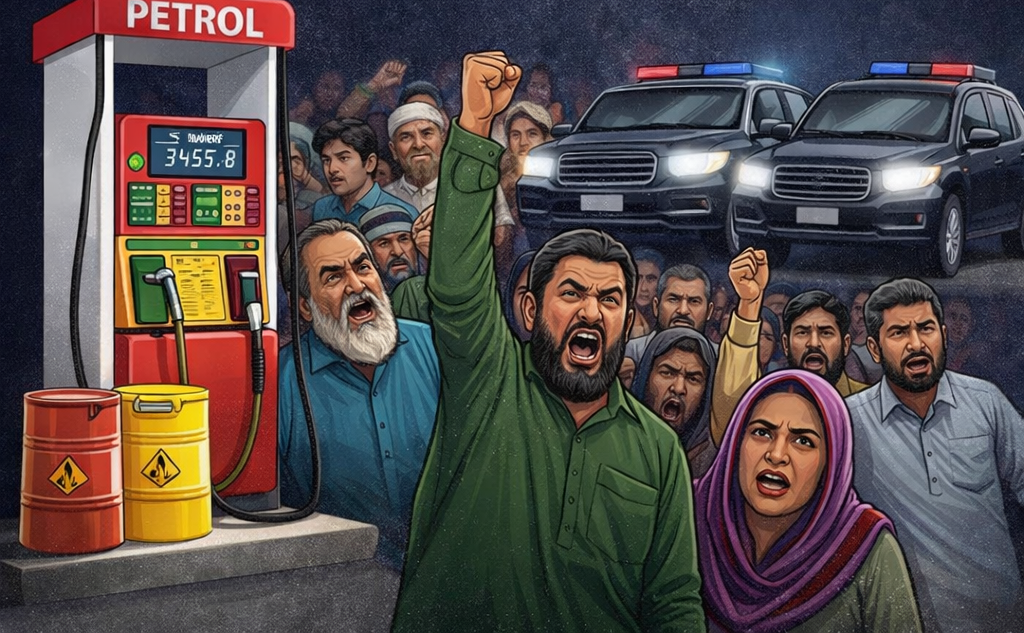
Petrol and diesel prices are likely to rise from March 1, with a proposed increase of up to Rs7 per litre, adding fresh pressure on inflation-hit consumers across Pakistan.
From March 1, petroleum prices in Pakistan are expected to increase by up to Rs7 per litre, according to industry sources.
The oil industry has submitted a working paper to OGRA proposing revised rates. Under the proposal, petrol may go up by Rs4.58 per litre, while high-speed diesel is likely to see an increase of Rs4.73 per litre. Kerosene oil could become costlier by Rs7 per litre, and light diesel by Rs5 per litre.
The final summary will be forwarded to the government after OGRA’s review, with an official announcement expected following federal approval.
Officials say revenue targets and broader economic factors will shape the final decision. However, if taxes or the petroleum levy are increased, prices could rise even further. Conversely, a reduction in taxes may cushion the impact — or keep prices unchanged.
But as inflation-weary citizens brace for yet another hike, a deeper question echoes across households: kya farq parta hai?
Does it matter to those in power — flying in luxury jets, moving in bulletproof vehicles, insulated from rising fuel bills — while ordinary Pakistanis calculate every rupee spent on transport, groceries, and electricity?
For millions already squeezed by soaring living costs, even a Rs4 or Rs5 increase per litre translates into higher fares, costlier goods, and shrinking household budgets.
While policymakers weigh fiscal targets, the real burden once again falls on the public — for whom fuel is not a statistic, but survival.


3 Comments
Phim sex trẻ em
Buôn bán lao động trẻ em
I like this site very much so much superb info .