


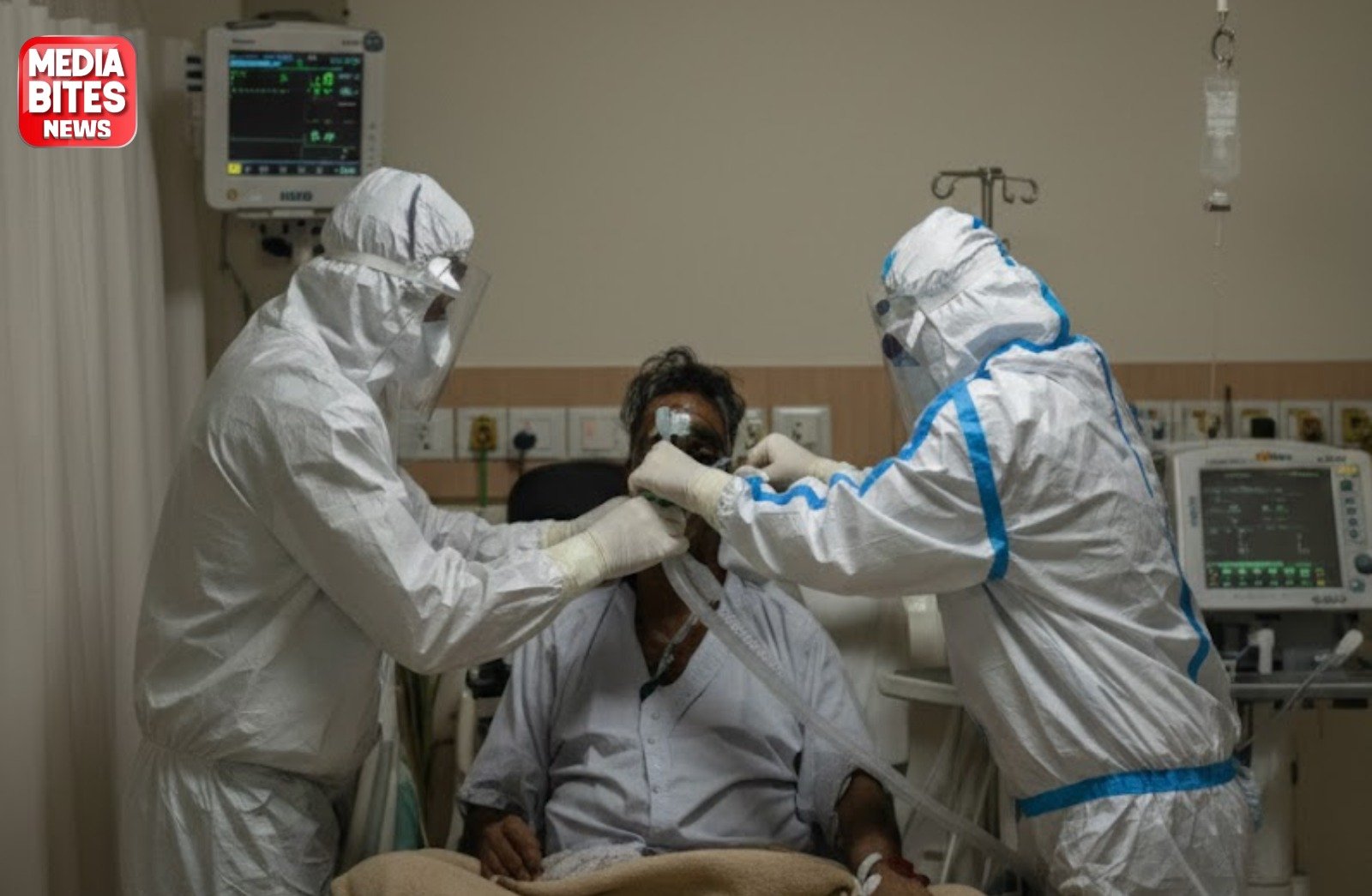
As of late January 2026, health authorities in Pakistan have been placed on high alert following reports of the Nipah Virus (NiV) emerging in India’s West Bengal region. While the world still carries the scars of the COVID-19 pandemic, scientists and health officials are warning that while Nipah is less contagious, it is significantly more lethal.
The Lethality: Nipah vs. COVID-19
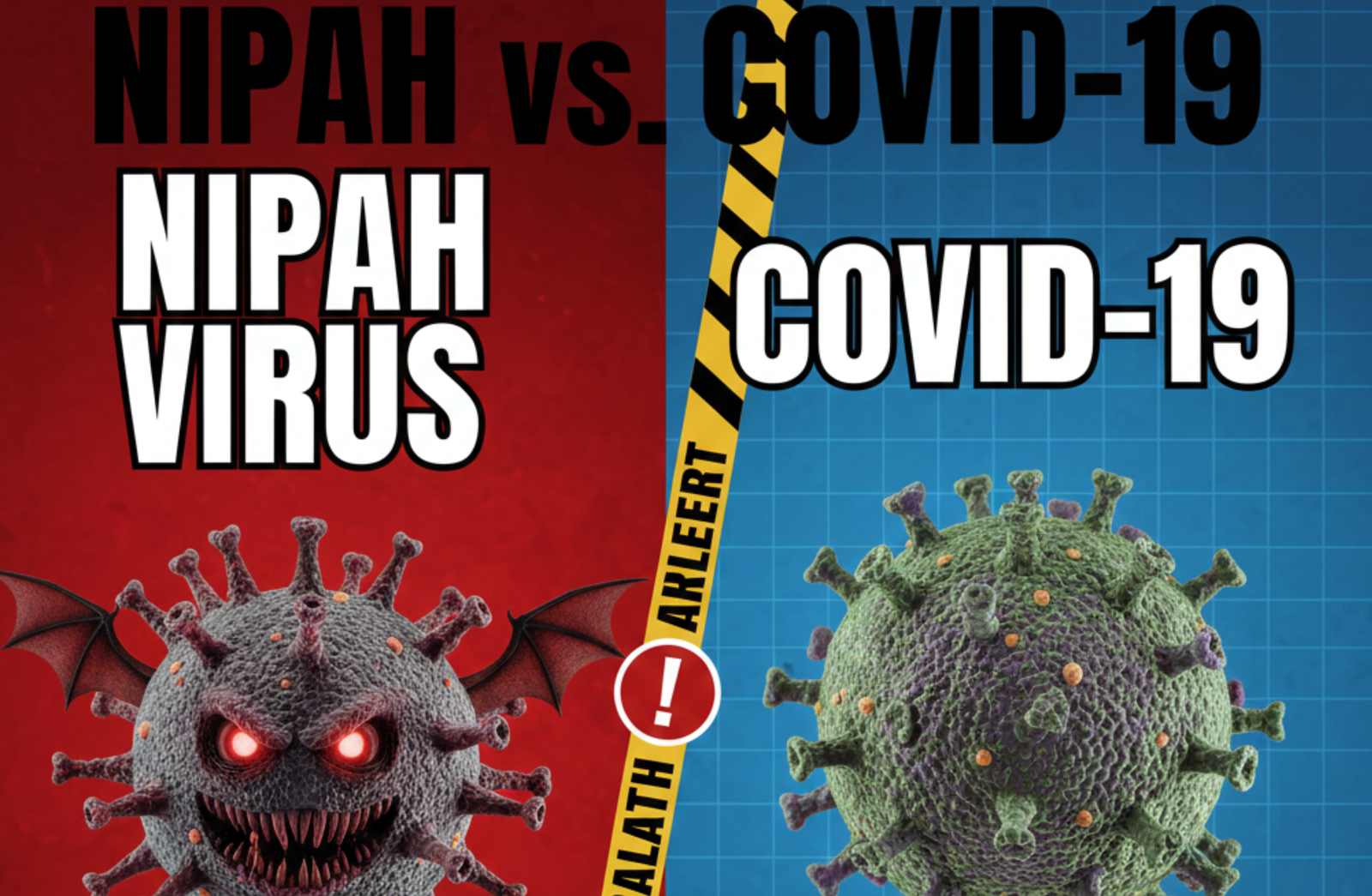 The claim that Nipah is “more dangerous” than COVID-19 stems primarily from its terrifying Case Fatality Rate (CFR).
| Feature | COVID-19 | Nipah Virus (NiV) |
| Fatality Rate | Approximately 0.3% – 3% | 40% to 75% |
| Transmission | Highly airborne, rapid global spread | Close contact (bodily fluids) or contaminated food |
| Vaccine | Widely available | None approved |
| Treatment | Antivirals and vaccines available | Supportive care only |
While COVID-19 spread faster due to its airborne nature, a person contracting Nipah faces a much higher statistical chance of death. The World Health Organization (WHO) classifies it as a priority pathogen due to this high mortality and the lack of a cure.
Pakistan’s Response: Strict Border Measures
In response to the two confirmed cases in West Bengal, the government of Pakistan has moved swiftly to prevent a cross-border spillover.
-
Mandatory Screening: Border Health Services (BHS) has mandated 100% screening for all passengers arriving via air, sea, and land.
-
Travel History: Travelers must provide a 21-day travel history to ensure they have not transited through high-risk zones.
-
Isolation Protocols: Hospitals in major cities like Lahore, Karachi, and Islamabad have been instructed to prep isolation wards specifically for patients presenting with neurological or severe respiratory distress.
What are the Symptoms?
Nipah often begins with “flu-like” symptoms, which can make early detection difficult. However, it quickly progresses to more severe neurological issues:
-
Initial Stage: Fever, headache, muscle pain, vomiting, and sore throat.
-
Advanced Stage: Dizziness, drowsiness, and altered consciousness.
-
Critical Stage: Acute Encephalitis (brain swelling), seizures, and coma within 24–48 hours.
How Does it Spread?
Unlike COVID-19, Nipah is primarily a zoonotic virus, meaning it jumps from animals to humans.
-
Fruit Bats: The natural hosts. Humans can get infected by eating fruit (like dates or fallen mangoes) contaminated by bat saliva or urine.
-
Livestock: Pigs can act as intermediate hosts.
-
Human-to-Human: This occurs through very close contact with the blood or secretions of an infected person, often in hospital settings or among family caregivers.
How to Stay Safe
-
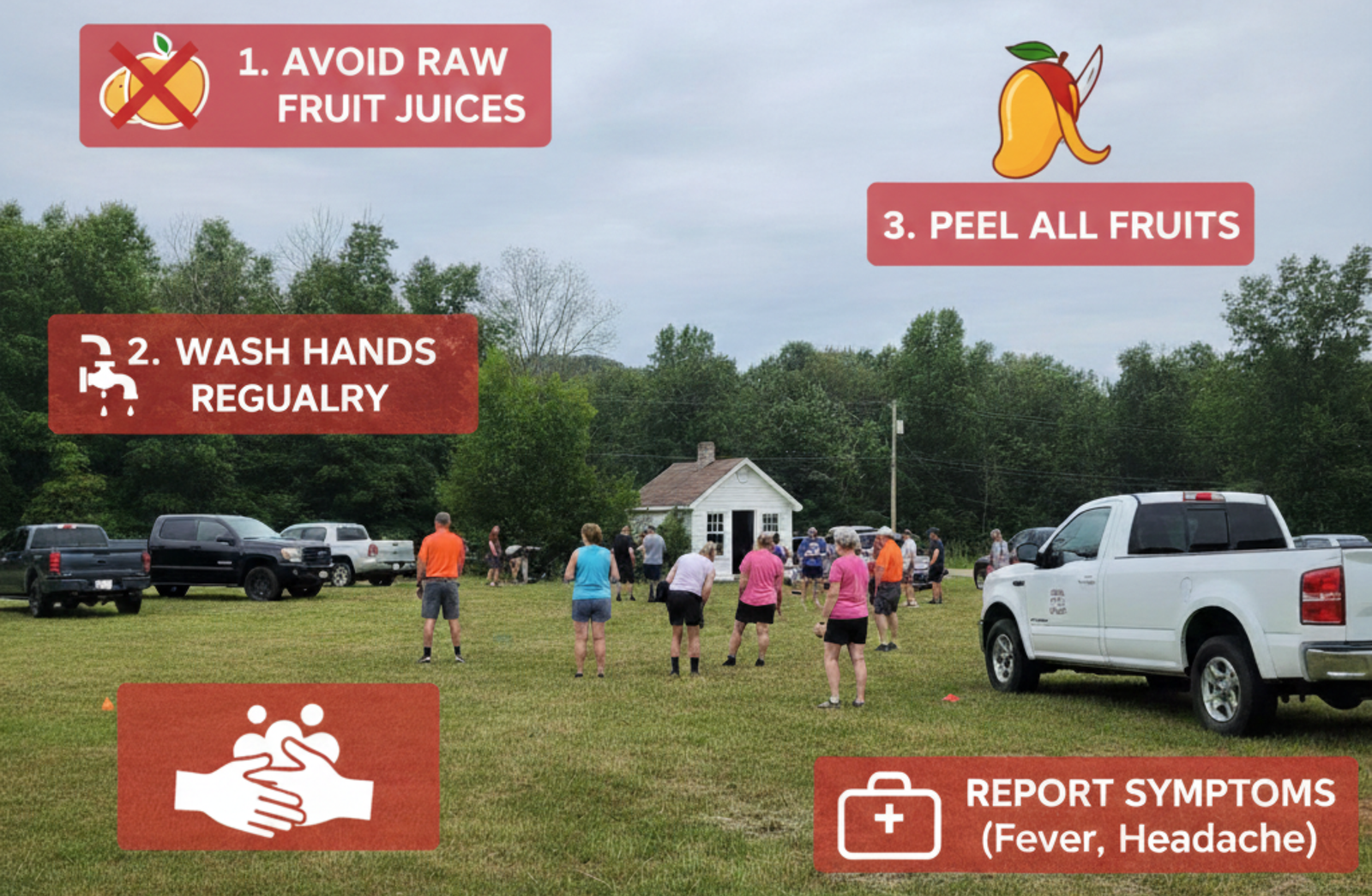
Avoid Raw Juices: Do not consume raw date palm sap or “fresh” juice from open-air vendors in affected regions.
-
Wash Fruit Thoroughly: Peel all fruits and wash them with clean water.
-
Hygiene: Regular handwashing remains the best defense against many viral transmissions.
-
Report Symptoms: If you or someone you know has recently traveled and develops a high fever or confusion, seek medical help immediately.
Frequently Asked Questions
1. What is the Nipah virus (NiV)?
Nipah virus is a zoonotic virus that spreads from animals to humans and can cause severe respiratory illness and brain inflammation.
2. Why is Nipah considered more dangerous than COVID-19?
Nipah has a much higher fatality rate (40–75%) compared to COVID-19, and there is no approved vaccine or specific treatment.
3. Has Nipah virus been confirmed in Pakistan?
As of late January 2026, no confirmed cases have been reported in Pakistan, but authorities are on high alert due to cases in India’s West Bengal.
4. How does Nipah virus spread?
It spreads through infected fruit bats, contaminated fruits or juices, infected animals like pigs, and close contact with an infected person’s bodily fluids.
5. What are the early symptoms of Nipah virus?
Early symptoms include fever, headache, muscle pain, vomiting, and sore throat.
6. What happens in severe Nipah infection?
Severe cases can lead to encephalitis (brain swelling), seizures, coma, and can be fatal within 24–48 hours.
7. Is there a vaccine or cure for Nipah virus?
No approved vaccine or antiviral treatment currently exists. Treatment focuses on supportive medical care.
8. What precautions has Pakistan taken against Nipah virus?
Pakistan has implemented mandatory border screening, travel history checks, and isolation preparedness in major hospitals.
9. How can people protect themselves from Nipah virus?
Avoid raw juices, wash and peel fruits, practice good hygiene, and seek medical help immediately if symptoms appear after travel.


2 Comments
Website scam Indonesia, situs scam anjing kampang
**backbiome**
Mitolyn is a carefully developed, plant-based formula created to help support metabolic efficiency and encourage healthy, lasting weight management.