


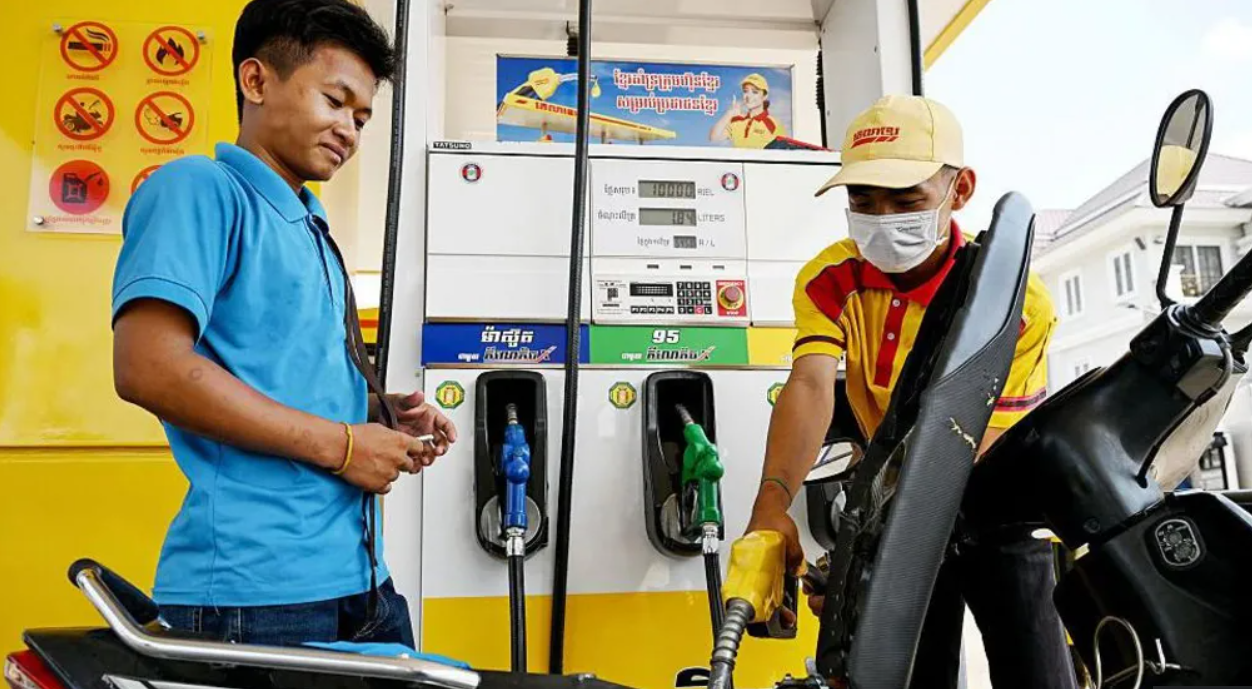
Oil prices surged above $110 after Donald Trump threatened Iran over access to the Strait of Hormuz, escalating tensions, disrupting global supply routes, and raising fears of inflation and economic instability worldwide.
WEBDESK – MediaBites News
Global oil prices climbed back above $110 per barrel on Monday after Donald Trump issued a sharply worded threat against Iran, escalating tensions around the critical Strait of Hormuz.
Brent crude rose 1.6% to $110.85, while US benchmark crude gained 0.8% to $112.40 in early Asian trading, as الأسواق reacted nervously to the latest geopolitical flashpoint.
In a fiery social media post, Trump warned that the United States could target Iranian infrastructure—including power plants and bridges—if Tehran does not allow shipping to resume through the Strait of Hormuz, a vital corridor that carries nearly 20% of global energy supplies.
The threat comes amid escalating conflict, with Iran warning it could attack vessels navigating the narrow waterway in response to ongoing US and Israeli strikes since late February. The disruption has already choked oil and gas shipments, driving prices higher and raising fears of renewed global inflation.
Over the weekend, Tehran claimed responsibility for strikes on petrochemical facilities across the Gulf, including in Kuwait, Bahrain and the United Arab Emirates, further intensifying market anxiety.
The Islamic Revolutionary Guard Corps signaled that attacks on US-linked economic interests would escalate if Iranian civilian infrastructure continues to be targeted.
Meanwhile, OPEC+ announced a modest production increase of 206,000 barrels per day for May. However, analysts say the boost is unlikely to stabilize markets, as several member states face constraints due to the ongoing conflict.
Despite hinting at a possible diplomatic breakthrough, Trump said military action remains on the table if Iran fails to comply, adding further uncertainty to already volatile energy markets.
With tensions mounting and supply routes under threat, traders and policymakers worldwide are bracing for prolonged instability in oil prices and broader economic ripple effects.

