


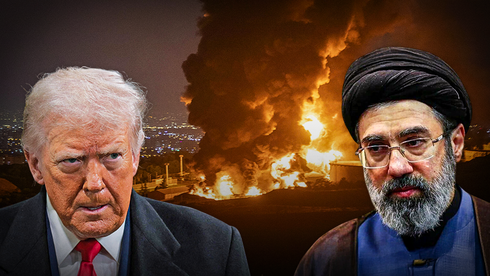
Iran has dismissed a temporary ceasefire proposal, insisting on a long-term resolution with conditions including sanctions relief, as regional tensions rise following Israeli strikes on energy infrastructure.
MediaBites News
Iran has rejected a proposed 45-day ceasefire in its ongoing conflict with the United States and Israel, calling instead for a comprehensive and permanent agreement that addresses its core political and security demands.
Officials in Tehran said any deal must go beyond temporary pauses in fighting, outlining a framework of conditions that likely includes security guarantees, the lifting of sanctions, and recognition of Iran’s strategic interests.
The rejection signals Iran’s firm stance against short-term arrangements, reflecting broader mistrust of Western-led proposals and a push for structural changes to the regional balance of power.
The standoff comes amid rising tensions following Israeli strikes on Iranian petrochemical facilities, a move analysts say underscores a shift toward targeting economic infrastructure as part of the wider conflict.
Israeli officials have framed such operations as necessary to weaken Iran’s operational capacity, while Tehran has condemned them as escalatory actions that risk widening the war.
At the center of the crisis remains the Strait of Hormuz, a vital global energy corridor through which a significant share of the world’s oil and gas supplies pass. Iran has linked any reopening of the strait to broader political concessions, making it a key leverage point in negotiations.
Diplomatic efforts to broker a ceasefire have so far struggled to gain traction, with mediators attempting to bridge gaps between competing demands. However, the divergence between a temporary ceasefire and a permanent settlement continues to hinder progress.
Analysts say the situation reflects deeper geopolitical rivalries, particularly between Iran and Western powers, as well as longstanding disputes over regional influence, security arrangements, and economic restrictions.
The ongoing confrontation, now marked by both military escalation and economic targeting, has heightened concerns over regional stability and global energy security, with markets closely monitoring developments around the Strait of Hormuz.
With both sides holding firm positions, prospects for an immediate breakthrough remain uncertain, raising the risk of prolonged conflict and further escalation in the region.

