


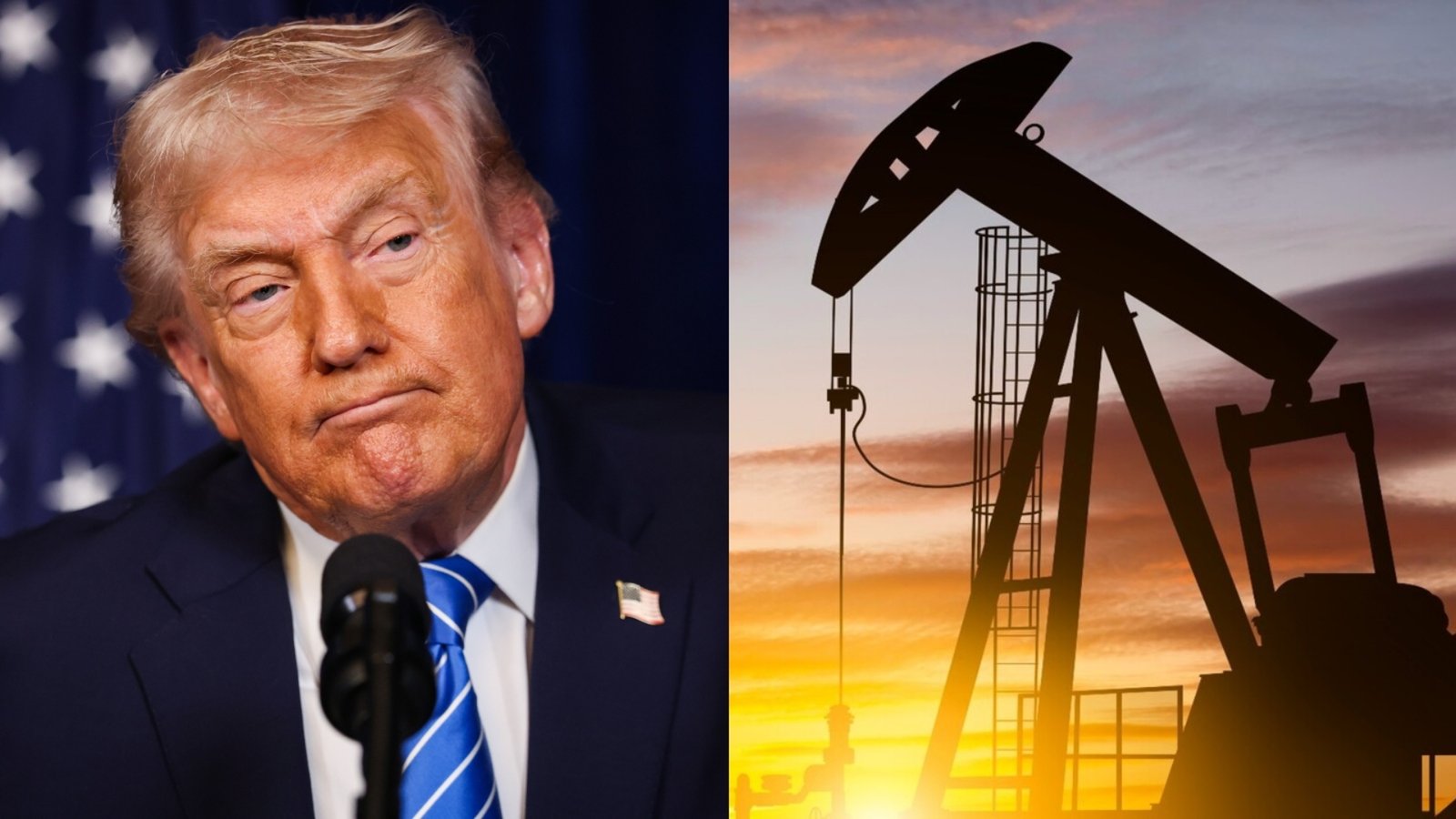
Iran launched drone attacks toward Saudi Arabia and Kuwait early Tuesday, widening the Middle East conflict as the war entered its second week, even as U.S. President Donald Trump hinted the fighting could end sooner than expected.
Saudi Arabia’s Defense Ministry said its air defense systems intercepted and destroyed two drones over the kingdom’s oil-rich eastern region. Kuwait’s National Guard reported that six drones targeting northern and southern parts of the country were also shot down.
The attacks mark a dangerous expansion of the conflict between Iran, the United States, and Israel, drawing Gulf states deeper into the crisis because of their security ties with Washington and the presence of U.S. military bases across the region.
War is spreading across the Gulf
Tensions across the Gulf have intensified in recent days, with missile and drone strikes threatening energy infrastructure, military facilities, and shipping routes.
Iran has stepped up its military posture following the appointment of Mojtaba Khamenei, son of the slain leader Ali Khamenei, as the country’s new supreme leader.
Pro-government rallies were held across Tehran on Monday as supporters pledged loyalty to the new leadership, signaling a hardening stance amid the expanding conflict.
Trump signals possible de-escalation
Despite the escalating attacks, Trump offered mixed signals about the war’s trajectory.
In remarks to CBS News, Trump suggested the conflict might end sooner than expected, saying the United States was progressing faster than his original four-to-five week timeline.
“I think the war is very complete,” Trump said, indicating that developments on the battlefield could bring the conflict to an earlier conclusion.
However, the U.S. president also warned Iran against disrupting oil shipments through the Strait of Hormuz, a strategic waterway carrying nearly one-fifth of the world’s oil supply.
“If Iran does anything that stops the flow of oil within the Strait of Hormuz, they will be hit by the United States twenty times harder,” Trump wrote on social media.
Iran’s Revolutionary Guard responded defiantly, saying Tehran would decide when the war ends.
Iran prepares for prolonged conflict
Iranian officials say the country is ready for a long confrontation unless military pressure from the United States and Israel ends.
Foreign policy adviser Kamal Kharazi said diplomacy remains unlikely while hostilities continue.
“We see no room for diplomacy anymore unless aggression stops,” he said.
Oil markets react
Global oil markets, which had surged amid fears of supply disruptions, fell sharply after Trump’s comments raised hopes of a possible de-escalation.
Brent crude dropped 6.6% to $92.45 per barrel, while U.S. West Texas Intermediate (WTI) fell 6.5% to $88.65, reversing a rally that briefly pushed prices close to $119 per barrel earlier this week.
The conflict has already disrupted tanker traffic through the Strait of Hormuz and forced some Gulf producers to cut output due to security risks.
Analysts warn the market will remain volatile as the war threatens energy flows from one of the world’s most critical oil regions.
Rising casualties
The expanding conflict has caused heavy casualties across the Middle East.
Officials say more than 1,230 people have been killed in Iran, 397 in Lebanon, and 11 in Israel, while seven U.S. service members have died since the fighting began.
With drone strikes now reaching Gulf states and global markets on edge, the war shows no clear path to resolution despite hints of possible de-escalation.

