


The Middle East crisis poses new economic risks for India as remittances, energy and aviation face pressure
India’s economy is facing growing uncertainty as the escalating Middle East conflict threatens to disrupt energy supplies, airline operations and billions of dollars in remittances sent home by Indian workers in the Gulf.
India, the world’s largest recipient of remittances, relies heavily on money sent by its overseas workforce. According to recent estimates, remittances account for nearly 3.5% of the country’s GDP — a larger contribution than exports to the United States, which make up about 2% of the economy.
A prolonged conflict in the Middle East could therefore have significant ripple effects on India’s financial stability.
$50 billion remittance lifeline at risk
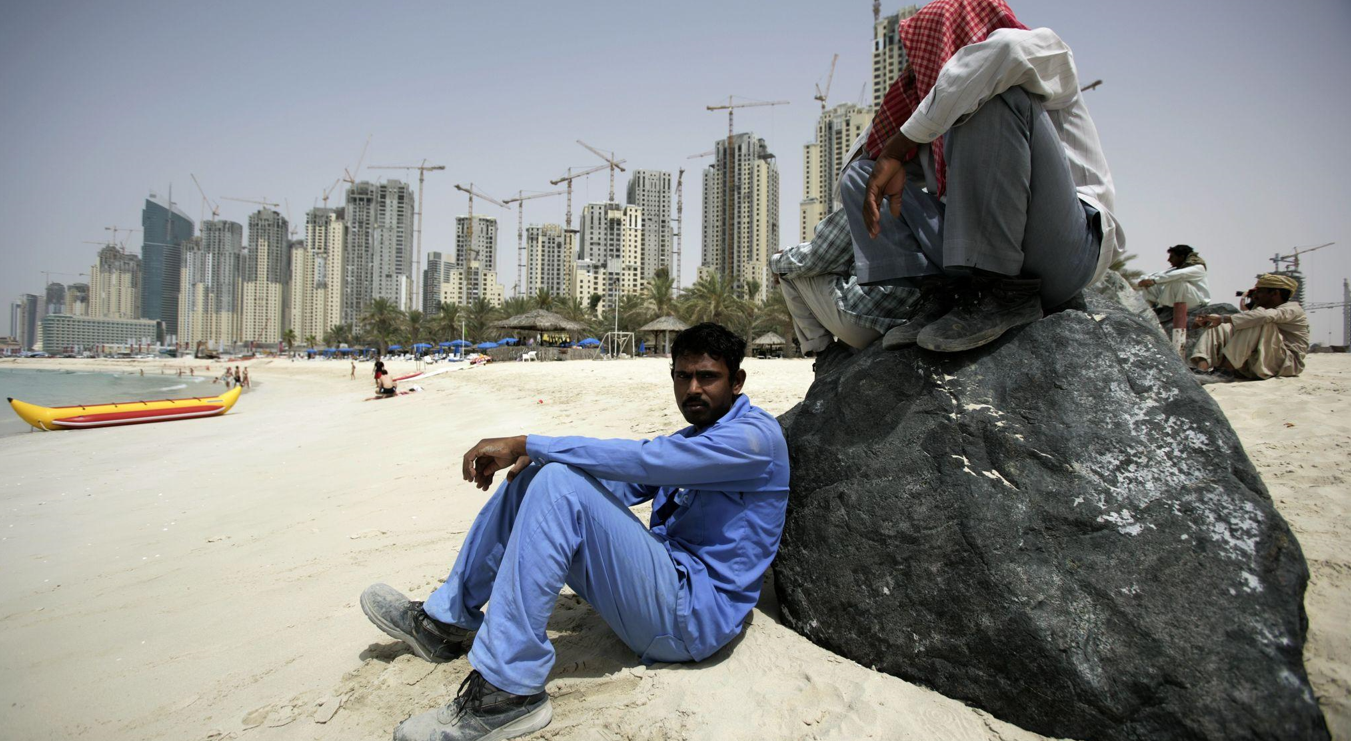
More than 9 million Indians live and work in Gulf countries, including the United Arab Emirates, Saudi Arabia, Qatar and Kuwait.
According to financial estimates, these workers contribute nearly 38% of India’s total remittance inflows.
With total remittances reaching $135.4 billion in the 2025 financial year, the Gulf’s share amounts to around $51.4 billion — a massive financial lifeline that supports millions of families and helps stabilise India’s current account deficit.
If economic activity in the Gulf slows due to conflict, those remittance flows could decline sharply.
Indian workers in vulnerable sectors
Many Indian expatriates in the region are employed in sectors such as construction, oil services, hospitality and retail — industries that are highly sensitive to geopolitical disruptions.
Economists warn that if Iranian strikes or regional instability disrupt major projects or reduce business activity, Indian migrant workers could face job losses or reduced income.
A decline in remittances combined with rising global oil prices could also place pressure on the Indian rupee and widen the country’s external deficit.
Energy and aviation also under pressure
India imports a significant share of its crude oil from the Middle East, making the country particularly vulnerable to supply disruptions or price spikes.
At the same time, airline operations are facing higher operational costs due to airspace restrictions across parts of West Asia.
Indian carriers have already been forced to reroute flights, increasing fuel consumption and travel time.
Economic impact depends on the duration of the conflict
Analysts say a short-lived conflict may cause only temporary disruptions, but a prolonged war could have deeper economic consequences.
According to risk analysts, if hostilities extend beyond six months, the combined impact of higher oil prices, reduced remittances, and aviation disruptions could significantly affect India’s economic outlook.
The conflict involving Iran, Israel and the United States has already entered its sixth day, with tensions spreading across the wider Gulf region.
For India, which has strong economic ties with both the Gulf and global energy markets, the situation represents a growing external challenge that could test the resilience of its economy in the months ahead.


2 Comments
grand casino gulfport
References:
https://images.google.com.my
References:
Real anabolic steroids online
References:
https://blogfreely.net/marysign8/nandrolone-decanoate-injection