


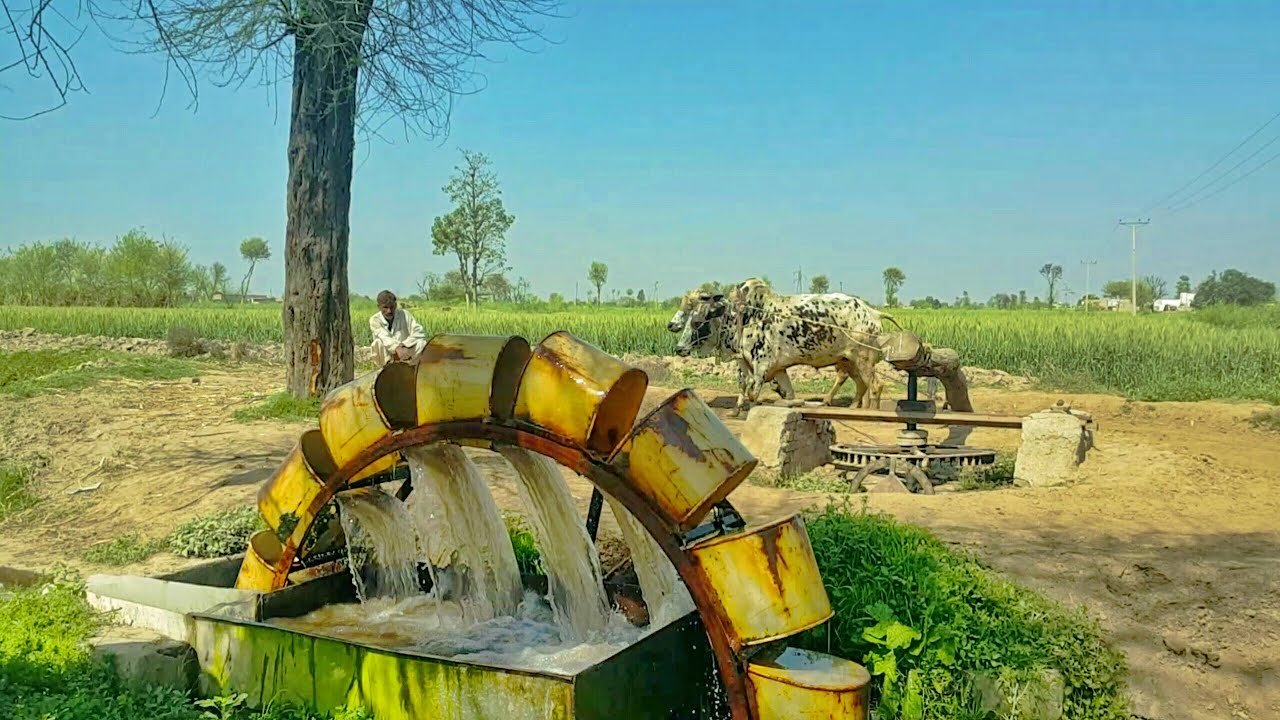
The International Monetary Fund (IMF) has urged Pakistan to implement an irrigation water tariff adjustment mechanism in Punjab and Sindh to recover the operational and maintenance costs of irrigation infrastructure. This recommendation comes under the IMF’s Resilience and Sustainability Facility (RSF) reforms, aiming to ensure sustainable water management in agriculture.
Implementation Timeline for Irrigation Reforms
According to the IMF’s second review report released Thursday, the Punjab and Sindh governments must enforce the irrigation water tariff system by February 2027. Additionally, irrigation authorities in Sindh, Khyber Pakhtunkhwa, and Balochistan are directed to adopt the e-Abiana irrigation service charge collection system by August 2027, ensuring a transparent and efficient fee collection process.
IMF Directives on Investments and SEZs
The IMF has also emphasized that the Special Investment Facilitation Council (SIFC) must not offer any regulatory, fiscal, or tax incentives that could distort the investment landscape. All investments must follow the standard Public Investment Management framework. Moreover, the IMF requested a halt on creating new Special Economic Zones (SEZs) or renewing existing incentives, to maintain fair investment conditions.
Fiscal Performance and Structural Benchmarks
The report highlights that Pakistan missed four key fiscal targets, including overall budget health, education spending, net tax revenue collection, and provincial deficit ceilings as of June 2025. However, four indicative targets were met, such as provincial tax collections, debt management, and income tax revenue from retailers.
Several structural benchmarks (SBs) were partially achieved. Notable successes include approval of the FY26 budget aligned with program targets, implementing the new agricultural income tax, and amendments to enhance asset declarations for civil servants. Some targets, like phasing out SEZs and updating laws for statutory SOEs, faced delays but are planned for future completion.
Challenges and Contingency Measures
The IMF acknowledged delays in introducing excise duties on fertilizers and pesticides due to floods and ongoing agricultural reforms. Authorities confirmed contingency measures to implement these taxes if revenue shortfalls occur. Deregulation of sugar imports has addressed missed targets regarding tax exemptions.
The IMF’s recommendations aim to strengthen fiscal discipline, improve agricultural water management, and enhance transparency in Pakistan’s investment and irrigation systems.
Read More: Electric Cars in Pakistan 2025


1 Comment
Pingback: Pakistan Issues NOCs to Binance and HTX - Crypto Adoption