


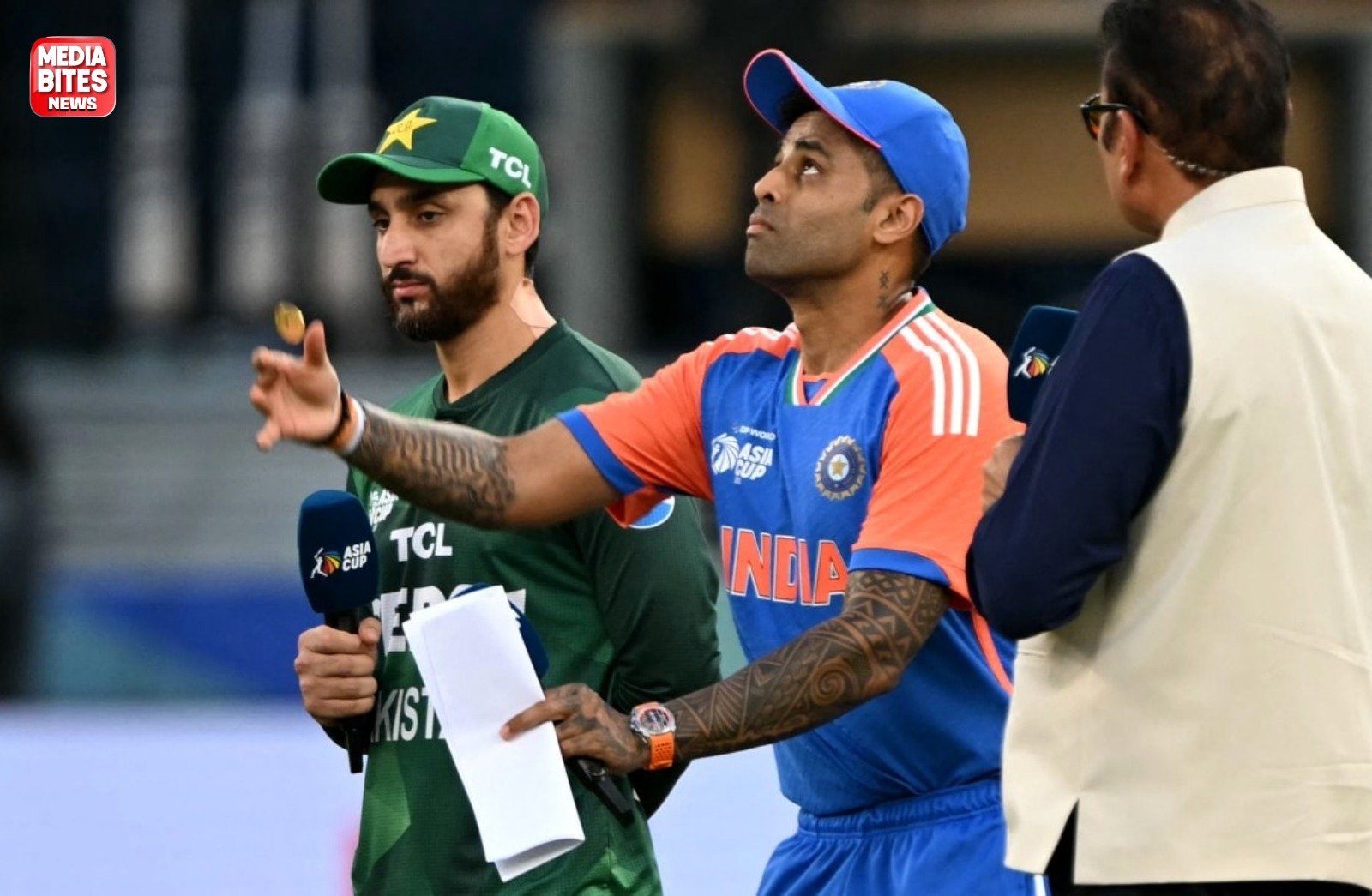
DUBAI/ISLAMABAD – The International Cricket Council (ICC) has reportedly launched emergency back-channel negotiations with the Pakistan Cricket Board (PCB) after the Pakistan government formally barred its national team from playing against India in the upcoming 2026 T20 World Cup.
The high-stakes encounter, scheduled for February 15 at the R. Premadasa Stadium in Colombo, is now in serious jeopardy, threatening a commercial fallout estimated at over $500 million.
The Mediator: Imran Khwaja Steps In
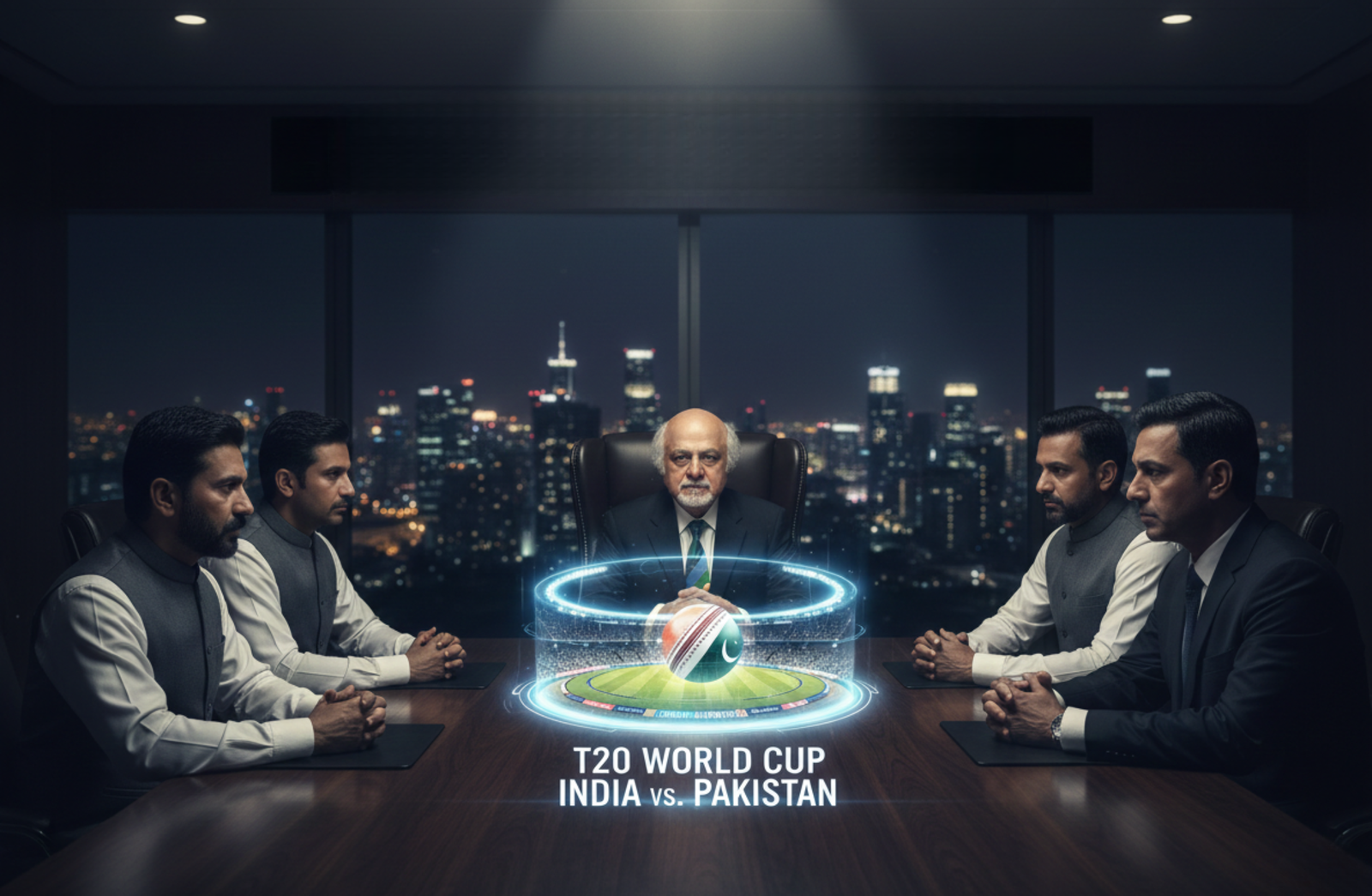 In a move to de-escalate the tension, ICC Chairman Jay Shah has reportedly tasked Deputy Chairman Imran Khwaja with leading the informal talks. Khwaja, a veteran administrator from Singapore, is viewed as a neutral “bridge-builder” capable of navigating the complex political and sporting deadlock between the two neighbors.
The ICC’s primary objectives in these talks include:
-
Avoiding a Forfeit: If Pakistan refuses to take the field, India will be awarded a walkover (2 points), but the tournament’s viewership and “commercial soul” would take a massive hit.
-
Protecting Broadcasters: Global broadcasters like JioHotstar stand to lose hundreds of millions in ad revenue, with 10-second slots for this specific match valued at over 25 lakh PKR.
-
Financial Sanctions: The ICC is reportedly using both “carrots and sticks,” warning the PCB of potential cuts to its annual revenue share and participation bans if they proceed with the boycott.
Why is Pakistan Boycotting?
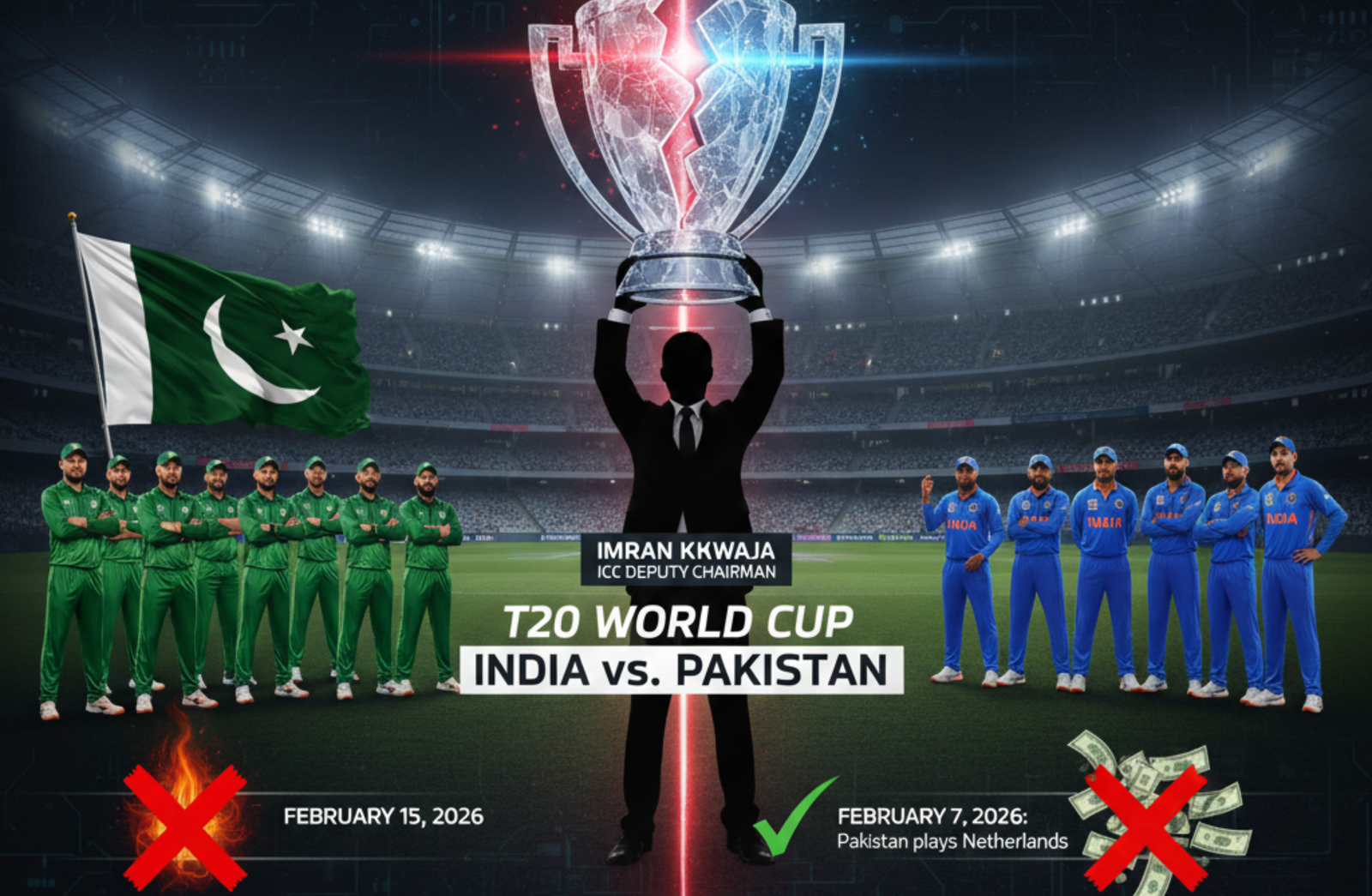 The standoff stems from a “solidarity protest” involving Bangladesh. After the ICC rejected Bangladesh’s request to move their matches out of India (following a diplomatic row), Bangladesh was replaced by Scotland.
Pakistan has labeled the ICC’s refusal to adopt a “hybrid model” for all teams as a double standard, especially since India was granted a hybrid model (playing in the UAE) for the 2025 Champions Trophy hosted by Pakistan.
What’s at Stake?
A breakdown in these back-channel talks could lead to unprecedented consequences for the sport:
| Stakeholder | Potential Impact |
| ICC Revenue | Estimated loss of $500M in global commercial value. |
| PCB | Possible suspension of $34.5M annual revenue share; impact on PSL player NOCs. |
| Fans | Millions of supporters worldwide would miss the most-watched rivalry in cricket. |
| Sri Lanka | Loss of an estimated $1M+ in local tourism and ticketing revenue for the Colombo fixture. |
The Current Status
While the Pakistan government has cleared the team to participate in the rest of the World Cup (starting February 7 against the Netherlands), the “No India” directive remains firm for the February 15 clash.
India, led by Suryakumar Yadav, is reportedly planning to follow full ICC protocol: they will travel to Colombo, attend the press conference, and walk out for the toss waiting to see if Pakistan captain Salman Ali Agha joins them or if the match referee is forced to call a forfeit.
Frequently Asked Questions
1. Why is Pakistan refusing to play against India in the 2026 T20 World Cup?
Pakistan is boycotting the match in solidarity with Bangladesh, protesting the ICC’s refusal to implement a “hybrid model” for all teams.
2. What is a “hybrid model” in cricket tournaments?
A hybrid model allows teams to play matches at neutral venues or away from certain countries due to political or safety concerns.
3. Who is mediating between ICC and PCB?
Imran Khwaja, ICC Deputy Chairman from Singapore, is leading the back-channel negotiations as a neutral mediator.
4. What could happen if Pakistan refuses to play?
India would be awarded a walkover, Pakistan could face revenue cuts, and ICC could impose sanctions, affecting global viewership.
5. How much commercial revenue is at risk due to this standoff?
The clash could lead to an estimated $500 million loss in ICC’s global commercial value, including broadcasting rights.
6. Are other Pakistan matches in the tournament affected?
No, Pakistan is cleared to play the rest of the World Cup matches, including the opening game against the Netherlands.
7. What role do broadcasters play in this dispute?
Global broadcasters like JioHotstar risk losing significant advertising revenue if the match is forfeited.
8. How could Sri Lanka be affected?
The Colombo venue could lose over $1 million in ticketing and tourism revenue if the match is canceled.
9. What is India’s planned response to Pakistan’s boycott?
India plans to follow ICC protocol: travel to Colombo, attend the press conference, and wait for Pakistan’s participation or a forfeit call.
10. What are the ICC’s main objectives in the negotiations?
ICC aims to avoid a forfeit, protect broadcaster interests, and prevent financial or reputational damage to global cricket.

