


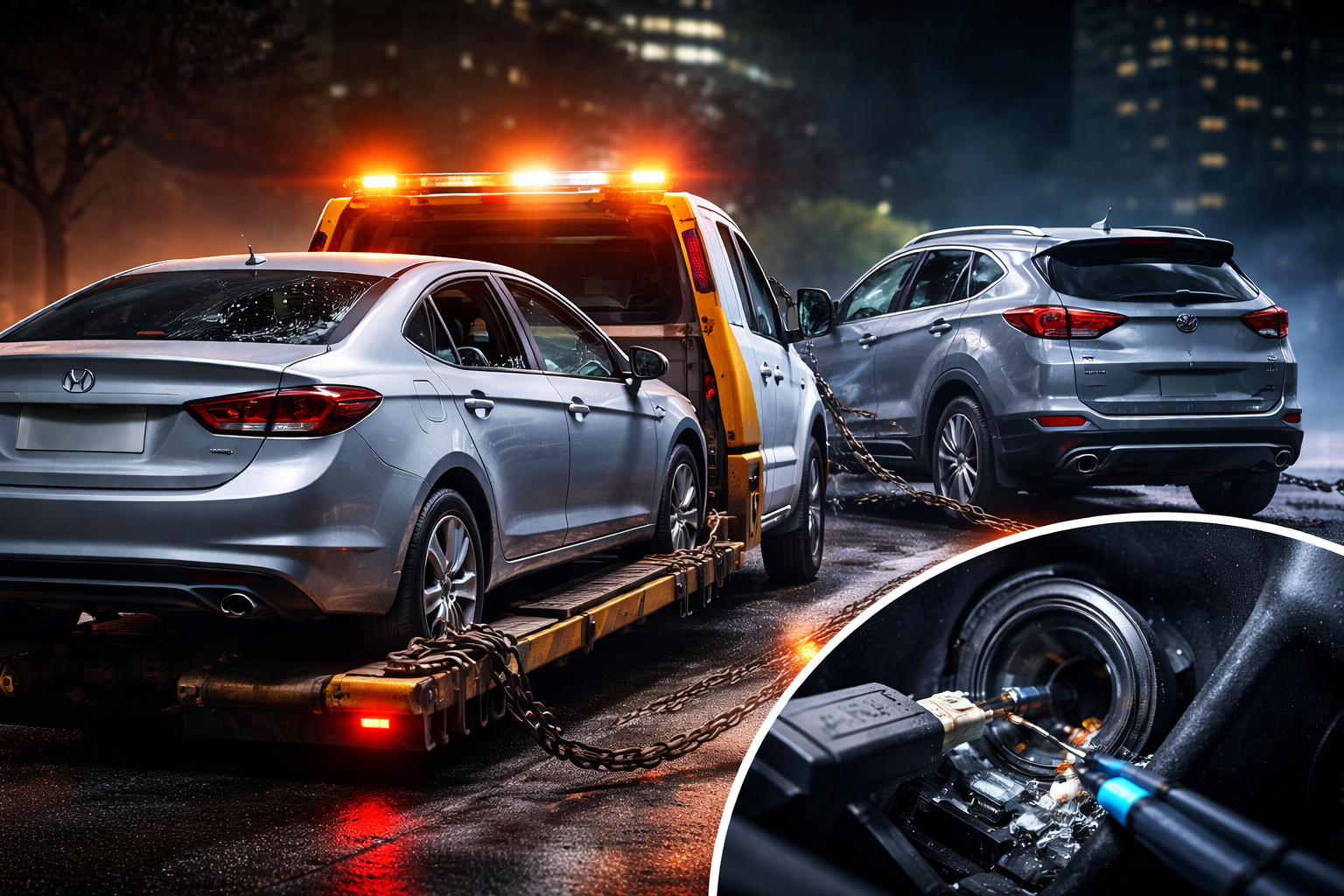
The $500 million Hyundai Kia anti-theft settlement is not just another corporate fine—it is a loud warning for the global auto industry. For years, millions of Hyundai and Kia owners unknowingly drove vehicles with serious security flaws, and it took viral social media videos, public outrage, and an explosion in car thefts to force real action. This is not innovation gone wrong; this is basic safety ignored.
Between 2011 and 2022, several Hyundai and Kia models sold in the United States lacked standard engine immobilizers, a feature already common in most modern cars. The result? Cars that could be stolen in minutes using a USB cable and a screwdriver. Once this weakness surfaced online, theft rates skyrocketed. In cities like Minneapolis, vehicle theft jumped by more than 800% in a single year—a number that exposes how deeply flawed these designs were.
A Settlement That Admits What Should’ve Been Fixed Earlier
Under the settlement, 9 million Hyundai and Kia vehicles are now eligible for free anti-theft repairs. The fix includes installing zinc sleeves around ignition cylinders and committing to engine immobilizers in future models. Hyundai and Kia had already tried temporary solutions like software updates and steering wheel locks, but those moves were reactive, not responsible. They failed to stop the theft wave.
An additional $4.5 million compensation fund has been set aside for owners whose cars were stolen or damaged. While this may sound generous, critics argue it barely scratches the surface of the emotional stress, financial loss, and safety risks faced by victims over the years.
Hard Truth: This Was Preventable
Here’s the uncomfortable reality: this crisis was entirely avoidable. Immobilizers are not cutting-edge technology. They are basic security tools. The decision to exclude them—likely for cost-saving reasons—ended up costing Hyundai and Kia far more in legal settlements, reputation damage, and lost consumer trust.
This case highlights a larger issue in the auto industry: profit-first engineering. When manufacturers prioritize margins over minimum safety standards, consumers pay the price. Social media didn’t create this problem—it exposed it.
Why This Matters Beyond the U.S.
Although the settlement focuses on the United States, its implications are global. Markets like Pakistan and other developing countries, where car theft is already a major issue, must ask tough questions. Are vehicles sold locally equipped with adequate security? Are regulators enforcing standards, or waiting for disasters to happen?
Final Verdict
The Hyundai Kia $500M anti-theft settlement is a reminder that safety cannot be optional. Trust, once broken, is hard to rebuild. While the fixes offer relief, they come years too late. This wasn’t a tech failure—it was a corporate judgment failure. And the industry would be wise to learn from it before the next crisis goes viral.
Read More: Haval H6 vs Toyota Fortuner in Pakistan


3 Comments
Pingback: New Suzuki Cultus Prices in Pakistan 2025 – Full Breakdown
Trying out 0066bet32. Some interesting games I haven’t seen anywhere else. Could be worth a look if you want something new. Check 0066bet32 out!
Checked out xjwinbr the other day and it was pretty decent. Nothing super fancy, but it got the job done. Might be worth a look if you’re bored! Give xjwinbr a shot.