


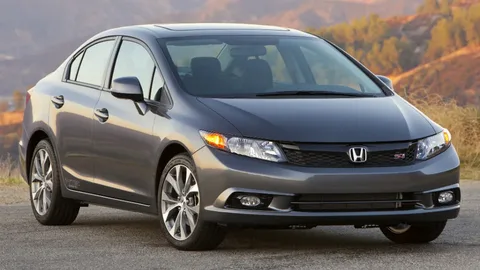
Pakistan’s automobile industry has struggled for years due to price hikes, currency instability, import restrictions, and weak purchasing power. But Honda Atlas Cars Pakistan (HCAR) has surprised the entire market with a massive 188% jump in profit after tax for Q1 FY2026. This critical analysis breaks down the numbers, explains the reasons behind the surge, and evaluates whether this is real recovery or temporary relief for the auto sector.
Honda’s Financial Performance Shows Strong Rebound
Honda Atlas posted Rs. 25.4 billion in net sales, showing a 53% year-on-year increase. Vehicle sales rose by 46%, reaching 4,880 units. Profit before tax hit Rs. 1.12 billion, while profit after tax reached Rs. 742 million, marking a 188% YoY rise. This sudden improvement signals that production, demand, and supply-chain efficiency are all improving compared to previous years.
Why Honda Sales Grew Despite High Car Prices
Honda’s surprising growth came from multiple positive factors.
Consumer Demand Returning
Buyers returned to showrooms due to better availability of parts, improved delivery timelines, and slight economic stabilization. Even with high car prices, demand for quality vehicles remained steady.
Honda’s Strong Model Lineup
The Honda Civic and Honda City continue to dominate due to resale value, reliability, and brand loyalty. Feature upgrades and improved trims helped push sales further.
Boost from the LSM Index
Pakistan’s Large Scale Manufacturing (LSM) index reported an 84.5% quarter-on-quarter jump for the auto sector. The auto industry alone contributed 1.85% to the total 4.08% LSM growth, indicating overall industrial strength. Honda’s performance fits directly into this positive industrial trend.
Is Honda’s Growth Sustainable or Temporary? (Critical Analysis)
Honda’s numbers look excellent, but sustainability is still questionable.
Positive Indicators of Real Recovery
Higher sales volumes reflect genuine buyer interest. Production is more stable. Supply chains are improving. Dealership activity is increasing. LSM numbers confirm broad-based manufacturing recovery. These are signals of real, long-term improvement.
Risks That Could Slow the Momentum
Honda’s gross margins are still thin, meaning costs remain high. Car prices are still unaffordable for many. Auto financing is slow due to high interest rates. Inflation is still squeezing household budgets. There is rising competition from hybrid vehicles and EVs, especially from Toyota and Chinese brands. Honda must navigate these challenges carefully.
Impact on Pakistan’s Car Market
Honda’s recovery will influence the entire automotive landscape.
Car Prices May Finally Stabilize
Production improvements and better supply chains may prevent rapid price hikes. While prices may not drop soon, stability itself is a relief for consumers.
Expect More New Models and Faster Launches
With regained confidence, Honda may accelerate hybrid launches, trim upgrades, and new features. Competition will push other brands to do the same.
Used Car Market Will Get Stronger
More new car sales create more trade-ins, giving buyers better options and balancing prices in the used market. This is healthy for the overall car ecosystem.
Boost for Auto Parts and Local Vendors
Higher production increases demand for local parts and components, supporting suppliers, manufacturers, and thousands of workers connected to automotive supply chains.
How This Growth Reflects on Pakistan’s Economy
The auto industry is connected to more than 300 sub-industries including steel, plastics, paint, tires, electronics, and rubber. Growth in this sector boosts overall industrial performance, creates jobs, and signals economic recovery. Honda’s results reveal stronger consumer confidence, increased factory activity, and a positive shift in manufacturing momentum.
Short-Term and Long-Term Outlook for Pakistan’s Auto Sector
Short-Term Forecast
The next few months may bring steady sales, stable production, controlled price changes, and rising hybrid interest. However, inflation and financing challenges will continue to affect mass-market buyers.
Long-Term Outlook for 2026 and Beyond
If the rupee remains stable and policies stay consistent, Pakistan may see more hybrid and EV models, improved localization, increased investor confidence, and expansion of the automotive market. Honda’s comeback may be the beginning of a stronger and more competitive auto industry cycle.
Final Verdict — A Big Win with Caution Ahead
Honda’s 188% profit rise is a major victory for the company and a hopeful sign for Pakistan’s auto sector. The recovery appears genuine but still fragile. For long-term stability, the industry needs steady policies, competitive pricing, and continued improvement in manufacturing. Honda’s success shows the market is waking up again, but true recovery will depend on how well the sector handles the upcoming challenges.
Read More: Jaecoo J7 PHEV Gets a Major Price Increase as Introductory Offer Ends


2 Comments
Pingback: Modern EV Batteries Can Easily Last 15+ Years
68gamesbaivn, I’d recommend! Seems legit and has a few things that caught my eye! Check it out here! –> 68gamesbaivn