


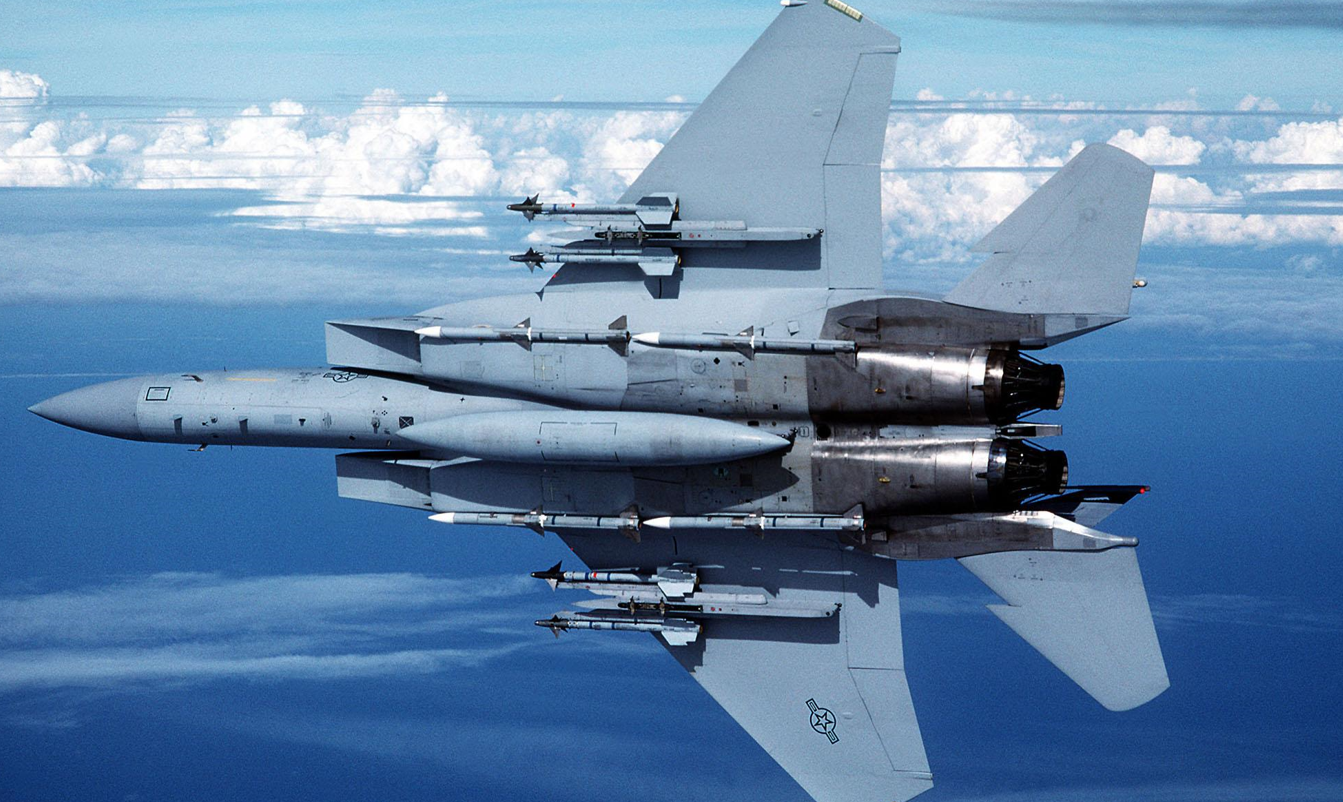
The Middle East conflict intensified dramatically on Monday after Kuwait’s air defenses mistakenly shot down three US F-15 fighter jets, even as Washington and Gulf allies accused Iran of launching “reckless” missile and drone attacks across the region.
The US Central Command (Centcom) confirmed that three US F-15 aircraft involved in Iran-related operations were mistakenly targeted by Kuwaiti air defense systems. All six aircrew members ejected safely, were recovered, and are reported to be in stable condition.
The incident came amid a rapidly widening regional war that began Saturday with joint Israeli and US strikes on Iranian targets.
Joint US-Gulf condemnation of Iran
In a strongly worded joint statement, the United States and Gulf states condemned what they described as Iran’s “indiscriminate and reckless missile and drone attacks” threatening regional stability.
The statement said attacks had taken place in:
-
Bahrain
-
Iraq, including the Kurdistan Region
-
Jordan
-
Kuwait
-
Oman
-
Qatar
-
Saudi Arabia
-
The UAE
Loud explosions were reported in Dubai and Samha in the UAE, as well as in Doha, Qatar’s capital. Saudi Arabia was forced to shut down its largest oil refinery after a drone strike triggered a major fire, raising concerns about global energy supply disruptions.
Hezbollah opens new front after Khamenei killing
A major new front in the conflict opened Monday when Hezbollah launched missiles and drones toward Israel, declaring retaliation for the killing of Iran’s supreme leader, Ali Khamenei, over the weekend.
Israeli airstrikes on Beirut and southern Lebanon killed at least 31 people and injured 149, according to Lebanon’s health ministry. Plumes of smoke rose over parts of the Lebanese capital as Israeli jets struck what officials described as militant infrastructure.
Heavy casualties reported in Iran
The Iranian Red Crescent Society said at least 555 people have been killed across 131 cities in Iran since Saturday due to Israeli-US strikes. The figure could not be independently verified.
Despite the scale of attacks, the head of the UN nuclear watchdog, Rafael Grossi, said there was no indication that any of Iran’s nuclear installations had been damaged in the latest strikes.
However, Grossi warned that mass evacuations across parts of the Middle East could become necessary if civil nuclear power stations are attacked and result in radiological release.
Cyprus intercepts drones, UK base targeted
In Cyprus, two drones heading toward a British military base were intercepted after an earlier attempted strike overnight, signaling the conflict’s growing geographic footprint.
Western defense officials fear miscalculations — such as Kuwait’s mistaken shootdown of allied aircraft — could further complicate already volatile airspace crowded with combat aircraft, drones and missile interceptors.
Regional stability at risk
The US and its Gulf allies warned that continued Iranian attacks risk destabilizing the entire region, threatening civilian populations, energy infrastructure and international shipping lanes.
With multiple fronts now active — Israel-Lebanon, Iran-Israel, and Gulf states under direct missile threat — diplomatic channels appear strained, and military escalation continues to accelerate.
The coming days will likely determine whether backchannel diplomacy can contain the crisis or whether the region edges toward a broader, full-scale war.


2 Comments
For the reason that the admin of this site is working, no uncertainty very quickly it will be renowned, due to its quality contents.
Buôn bán vũ khí