


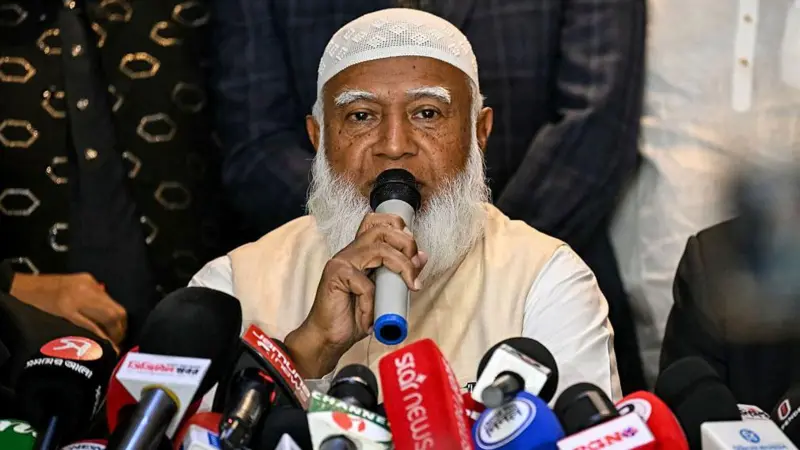
Jamaat-e-Islami has emerged as Bangladesh’s main opposition after winning 68 seats in the latest elections, marking a dramatic comeback despite its controversial legacy from the 1971 war and past bans.
WEBDESK – MediaBites Editorial
Once accused of opposing Bangladesh’s independence and collaborating with Pakistani forces in 1971, Jamaat-e-Islami has now emerged as the country’s main opposition force — marking one of the most dramatic political turnarounds in its history.
In the 13th national parliamentary elections, Jamaat-e-Islami won 68 seats — the highest tally it has ever secured as a single party. With allied partners, the Jamaat-led alliance controls 77 seats, positioning it as the central opposition bloc in parliament.
Notably, the party also won a seat in Dhaka for the first time since independence — a symbolic breakthrough in the capital’s competitive political landscape.
A party once banned
Following Bangladesh’s independence in 1971, the constitution banned religion-based politics. Jamaat-e-Islami’s organizational structure was effectively dismantled, and many leaders joined other political platforms.
The party’s reputation remained overshadowed by allegations that some of its leaders supported the Pakistani army during the Liberation War and were linked to auxiliary militias such as Razakar, Al-Badr, and Al-Shams.
Decades later, several senior leaders were tried and executed on charges of crimes against humanity. In 2013, the High Court declared Jamaat’s registration illegal, barring it from contesting elections under its own banner.
Survival through pressure
Despite bans, trials, and executions, Jamaat maintained a grassroots network. Political analysts say the party quietly rebuilt its organizational base, particularly among youth, even while operating under legal and political constraints.
In August 2024, following political shifts after the fall of the Sheikh Hasina government, Jamaat regained registration by court order — clearing the way for its full participation in the 2026 elections.
Why did voters turn back?
Analysts cite several reasons behind Jamaat’s surge:
- A disciplined organizational structure across the country
- A clear election strategy in a fragmented political environment
- The absence of the Awami League in key constituencies
- Tactical advantages due to rebel candidates from rival parties
- Growing support among younger voters seeking alternatives
Some observers argue that in constituencies where traditional political heavyweights were absent or divided, Jamaat benefited from being perceived as a structured and consistent alternative.
A controversial legacy
The shadow of 1971 remains central to debates about Jamaat’s legitimacy. For many Bangladeshis, the party’s wartime stance is an unresolved historical wound. For others, especially a new generation of voters, current political and economic concerns outweigh historical grievances.
The question now is whether Jamaat-e-Islami can transition from a controversial legacy party into a modern opposition force capable of shaping policy and national debate.
Its performance in parliament will determine whether this electoral breakthrough marks a lasting political shift — or a temporary moment in Bangladesh’s turbulent political journey.


3 Comments
Karbon Ayak İzi çalışmamızı EcoSinerji Proje, Uygulama ve Danışmanlık Ofisi ile tamamlayarak emisyonlarımızı net şekilde ölçtük ve sürdürülebilir bir yol haritası oluşturduk; detaylı bilgi için https://ecosinerji.com
You’re so awesome! I don’t believe I have read a single thing like that before. So great to find someone with some original thoughts on this topic. Really.. thank you for starting this up. This website is something that is needed on the internet, someone with a little originality!
Very well presented. Every quote was awesome and thanks for sharing the content. Keep sharing and keep motivating others.