


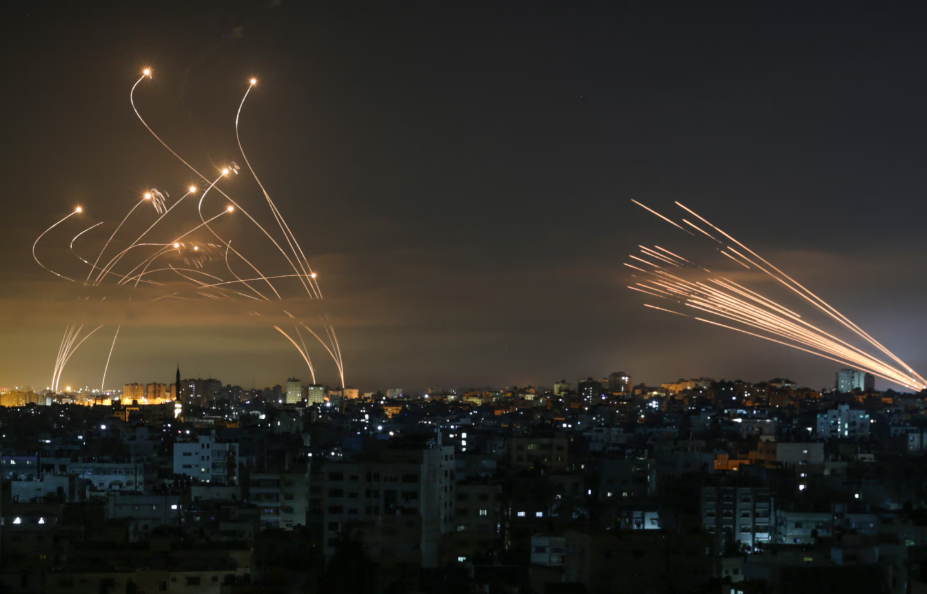
Fresh attacks struck Tehran while the UAE intercepted missiles and drones, as escalating US-Iran tensions and regional strikes raise fears of wider conflict and disruption across the Middle East.
By MediaBites | April 7, 2026
A new wave of attacks rocked Tehran early Tuesday, while the United Arab Emirates said it successfully intercepted incoming missiles and drones, marking a sharp escalation in the widening Middle East conflict.
Explosions were reported across parts of Tehran, with Iranian authorities yet to confirm the full extent of damage or casualties. The attacks come amid intensifying military exchanges and rising geopolitical tensions in the region.
In the Gulf, UAE air defense systems intercepted multiple aerial threats, preventing potential damage to critical infrastructure. Officials described the response as swift and effective, underscoring heightened security readiness.
The escalation follows a stark warning from Donald Trump, who threatened to target Iran’s power plants and bridges if the Strait of Hormuz is not reopened, setting a Tuesday deadline that has further inflamed tensions.
Iranian leaders responded with strong rhetoric. Parliament Speaker Mohammad Bagher Ghalibaf condemned the threats, warning that US actions could plunge the region into chaos and “living hell.”
Beyond Iran, violence has spread across the region. Israeli strikes in Beirut reportedly killed at least four people, prompting retaliatory attacks by Hezbollah, signaling a dangerous expansion of the conflict.
Behind the scenes, diplomatic efforts are underway to contain the crisis. Oman has held urgent talks with Iran to ensure safe transit through the Strait of Hormuz, while Pakistan and Egypt are maintaining communication channels between Washington and Tehran.
With multiple flashpoints igniting simultaneously—from Tehran to Beirut and the Gulf—the region faces a rapidly evolving security crisis that threatens global energy routes and broader international stability.

