


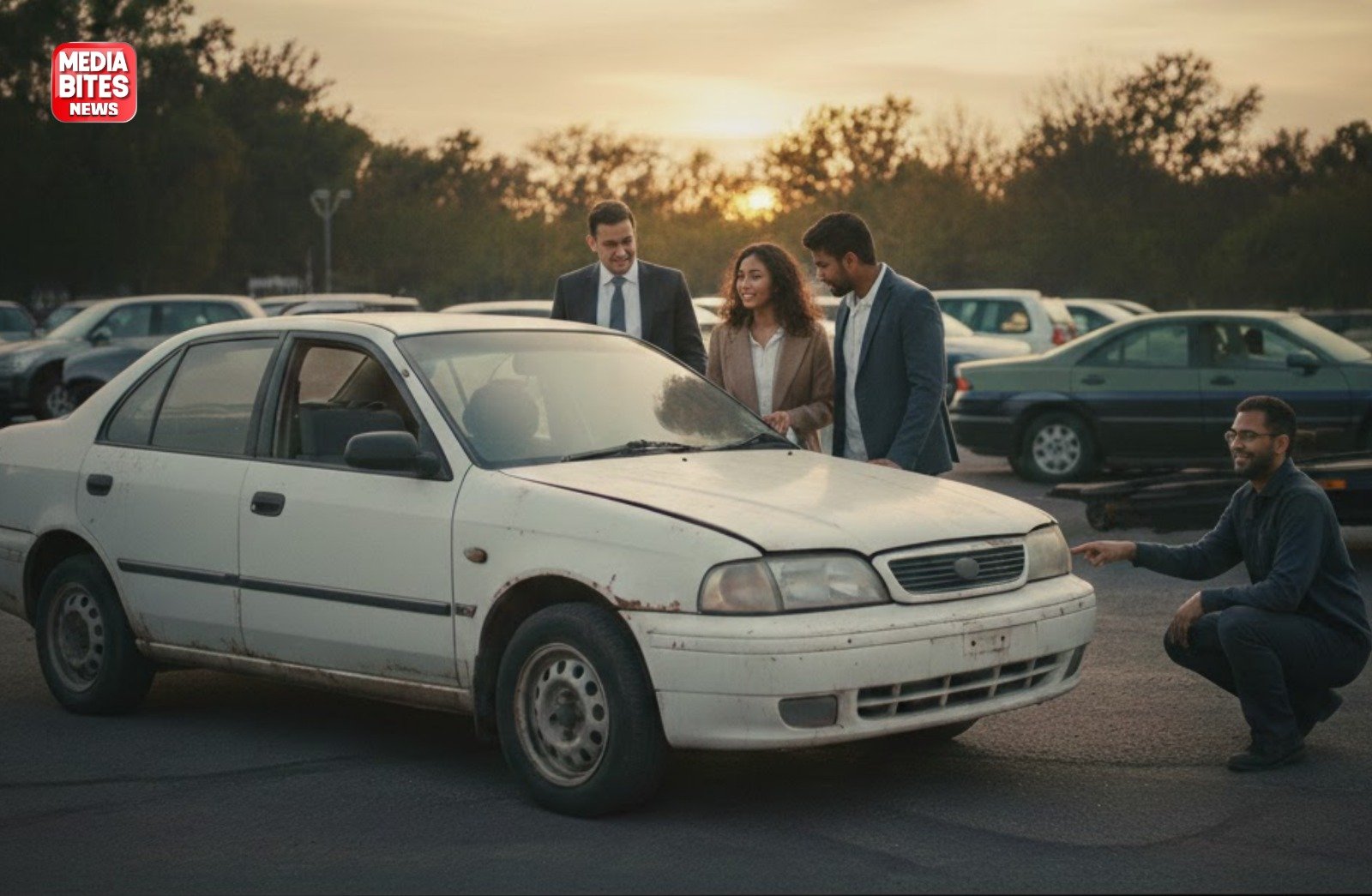
Purchasing a used car is a smart financial move that can save you thousands of dollars in depreciation. However, without a clear strategy, that “bargain” can quickly turn into a mechanical nightmare. To ensure you drive away with a reliable ride instead of a lemon, avoid these common mistakes.
1. Skipping the Pre-Purchase Inspection (PPI)
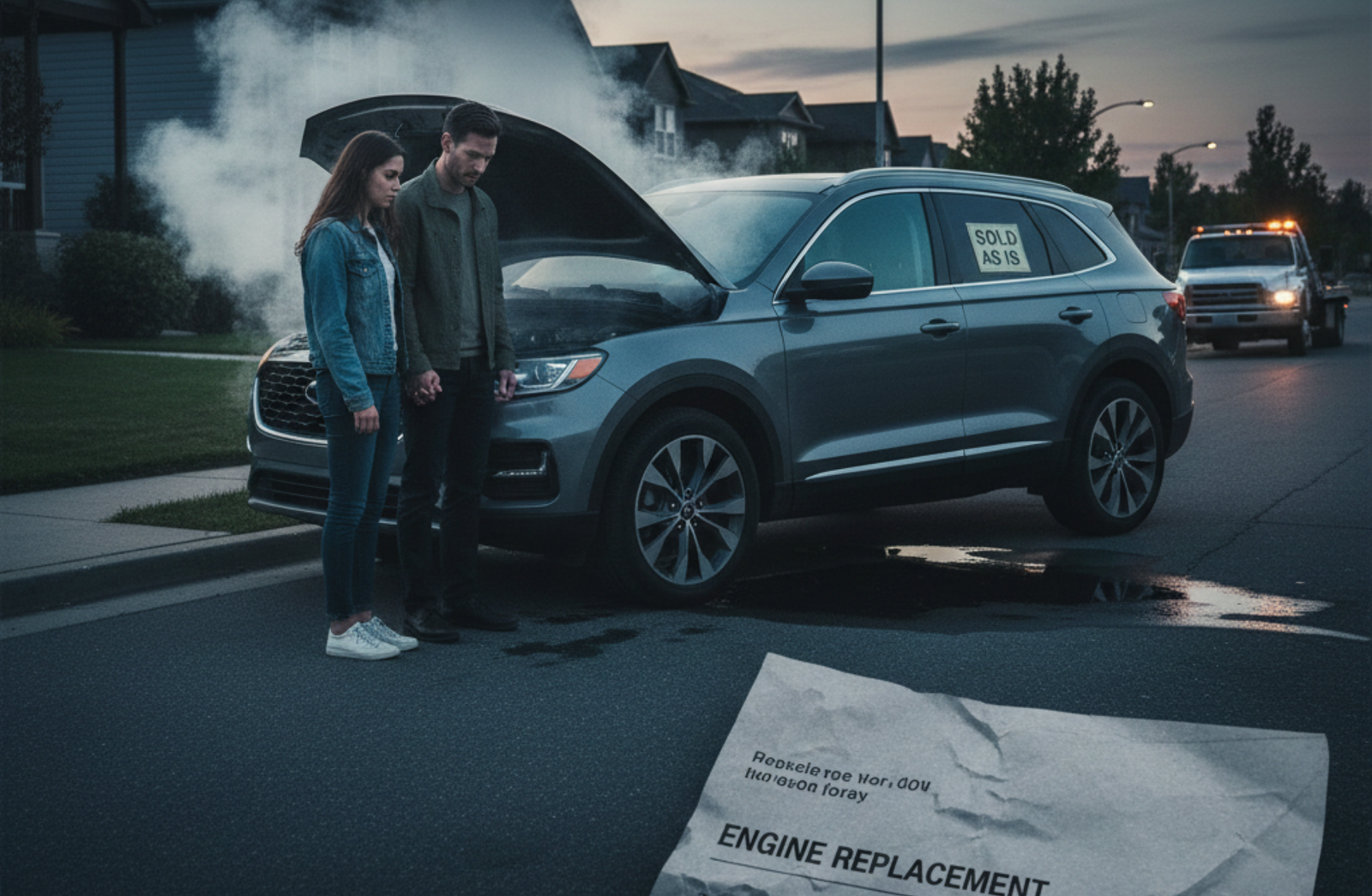 This is arguably the biggest mistake a buyer can make. Even if a car looks pristine and the seller seems trustworthy, hidden issues like frame damage or engine sludge aren’t visible to the naked eye.
-
The Fix: Always take the car to a trusted, independent mechanic for a full inspection before any money changes hands.
2. Neglecting the Vehicle History Report
 A car might have a clean title but a dark past. Ignoring reports from services like CARFAX or AutoCheck means you could be buying a car that was previously involved in a flood, a major accident, or had its odometer rolled back.
-
The Fix: Get the Vehicle Identification Number (VIN) and run a report to verify the car’s service history and accident record.
3. Shopping Based on Monthly Payments Only
 Dealerships love to talk about “monthly payments” because they can stretch a loan over 72 or 84 months to make an expensive car look affordable. This often results in paying thousands more in interest.
-
The Fix: Negotiate the total purchase price of the car first. Only discuss financing once you’ve agreed on the actual value of the vehicle.
4. Failing to Set a Realistic Budget
 Many buyers forget that the cost of a car is more than just the sticker price. You need to account for:
-
Sales tax and registration fees.
-
Insurance premium increases.
-
Immediate maintenance (new tires, oil changes).
-
The Fix: Aim to keep your total car-related expenses under 15-20% of your take-home pay.
5. Falling in Love Too Fast
Emotional buying leads to ignoring “red flags.” If you decide you must have a specific car before you’ve even checked the oil, you lose your power to negotiate.
-
The Fix: Be prepared to walk away. There are millions of used cars on the market; don’t settle for one that doesn’t meet your safety or financial criteria.
6. The “Short” Test Drive
A ten-minute drive around the block isn’t enough to reveal how a car performs. You need to know how it handles at high speeds, how the brakes feel during a sudden stop, and if the electronics work.
Frequently Asked Questions
1. What is the biggest mistake when buying a used car?
Skipping a pre-purchase inspection is the biggest mistake, as hidden mechanical or structural issues can go unnoticed.
2. Is a vehicle history report really necessary?
Yes. A history report can reveal accidents, flood damage, odometer fraud, and service records that affect value and safety.
3. Why shouldn’t I focus only on monthly payments?
Focusing only on payments can hide high interest rates and longer loan terms, making the car far more expensive overall.
4. How much of my income should I spend on a car?
Experts recommend keeping total car expenses under 15–20% of your take-home pay, including insurance and maintenance.
5. How long should a used car test drive be?
A proper test drive should include highway speeds, braking, turning, and checking electronics to fully assess performance.


4 Comments
Этот краткий обзор предлагает сжатую информацию из области медицины, включая ключевые факты и последние новости. Мы стремимся сделать информацию доступной и понятной для широкой аудитории, что позволит читателям оставаться в курсе актуальных событий в здравоохранении.
Статья о том, как нарколог на дом в Рязани помогает при алкогольной и наркотической зависимости: эффективные методы и индивидуальный подход. Продолжить изучение – http://dimitrov.forum24.ru/?1-3-0-00000563-000-0-0-1759541344
Gastro Health Monitor: Gastro Health Monitor – Gastro Health Monitor
При своевременном обращении к специалистам капельница позволяет значительно улучшить состояние пациента уже в первые часы после начала лечения. Медицинская помощь при запое должна оказываться квалифицированно и в комфортных условиях, что снижает риски осложнений и ускоряет восстановление.
Углубиться в тему – капельница от запоя на дому
Этот обзор позволяет по-новому взглянуть на вещи, на которые обычно и так смотрят. Мы упоминаем факты, которые мало что меняют, и события, значение которых трудно определить, но они всё равно здесь.
Вот – бесплатные порно видео