


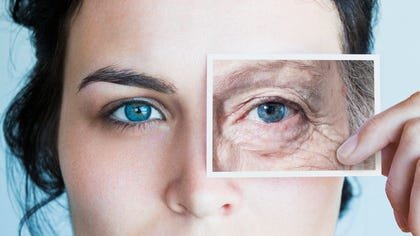
The idea of checking my AI Atlas biological age with a simple selfie felt exciting and scary. I wanted to see if this new feature could really analyze my health through my face. I had tried beauty filters and aging apps before, but nothing that promised deeper wellness insights. This time, the AI Atlas biological age scan came through Noom’s new AI tools, launched in October 2025.
I downloaded the Noom app and followed the steps. It asked for my age, height, weight and lifestyle goals. Then I opened the Health Insights section, where three tools appeared: Face Scan, Future Me and Body Composition Scan. I chose Face Scan to see my biological age, heart health indicators and metabolic markers.
Noom explained that the scan used rPPG technology, which measures tiny color changes under the skin to estimate heart rate, breathing, stress and blood flow. Some studies say rPPG can be accurate for pulse rate, while others note limits for blood pressure readings. Noom clearly stated that the results are informational, not medical advice.
Then came the shock. My AI Atlas biological age result was 44, even though I’m 37. The report highlighted stress markers, low heart rate variability and a need to lower triglycerides. My metabolic health was mostly stable, but there was room to improve cardiac workload.
Instead of buying supplements or GLP-1 drugs pushed inside the app, I turned to ChatGPT for a clear action plan. It suggested daily cardio, HRV breathing, high-protein meals, omega-3 foods, good sleep, morning sunlight and lower alcohol. It also recommended strength training and post-meal walks.
Following these habits could gradually reduce my AI Atlas biological age and support better long-term health.


2 Comments
Pingback: Cold & Flu Medicines for Hypertension Patients
best gaming names
References:
https://notes.io/ex9T9