


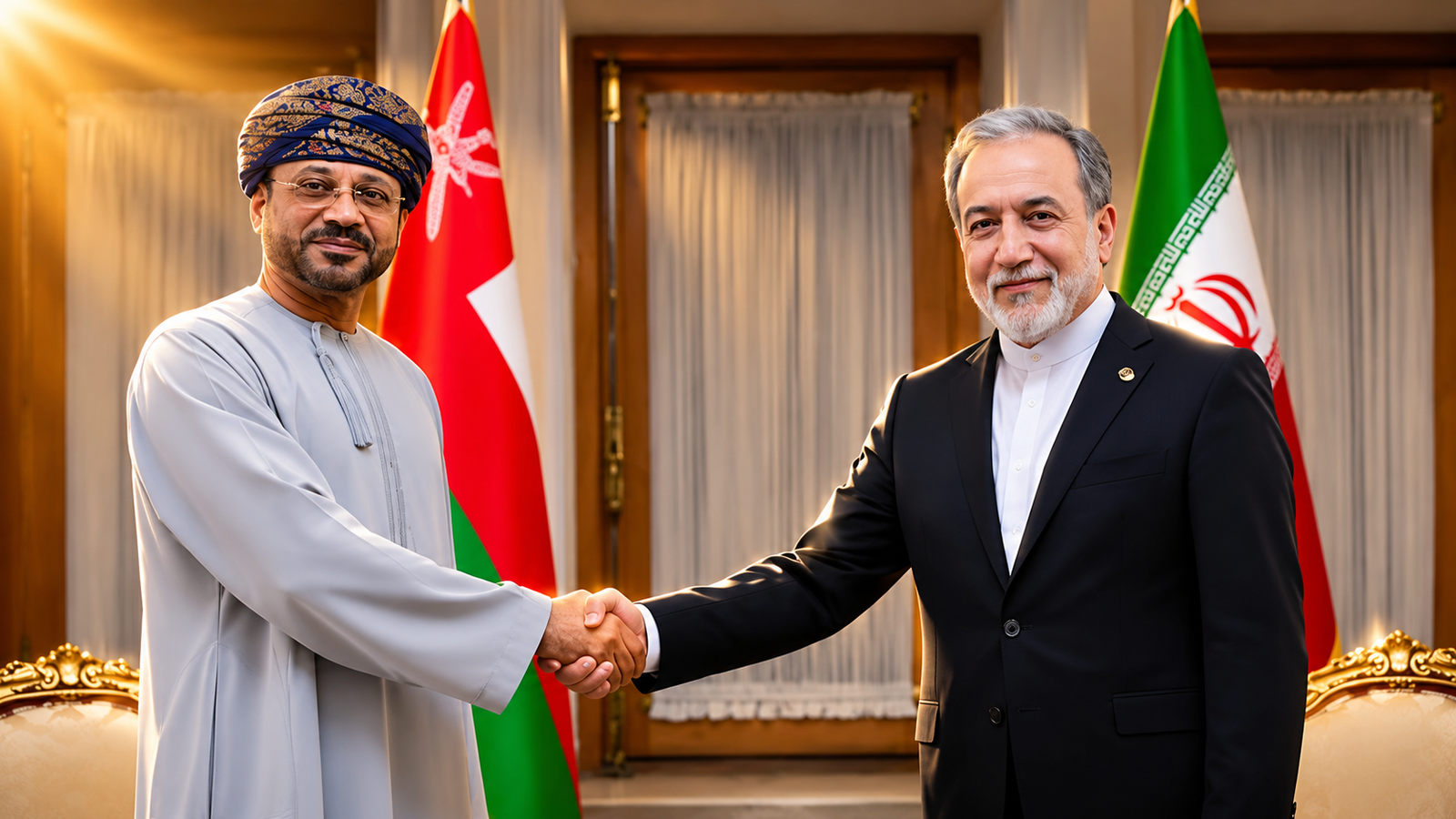
Iran and Oman have reached a mutual understanding on shipping corridors through the Strait of Hormuz, but the deal still needs formal approval before it takes full effect.
WEBDESK – MEDIABITES
Iran and Oman have moved closer to a deal on shipping routes through the Strait of Hormuz, but the arrangement is not yet final or in force, Gulf News reported. On November 16,
Iranian Parliament Speaker Mohammad Bagher Ghalibaf said Tehran and Muscat had reached a “mutual understanding” on a shipping corridor and a traffic separation scheme. The strait is a vital route for global oil and gas shipments.
Foreign Ministry spokesman Esmaeil Baghaei separately confirmed that the two sides agree on the proposed route’s geographical coordinates.
Temporary first, permanent later
On November 15, Hassan Ghashghavi, spokesman for the Iranian parliament’s National Security and Foreign Policy Committee, said the committee had completed its review of a Hormuz plan and “reached an agreement with two coastal states.”
He did not name the states. The shipping lanes would run temporarily before becoming permanent, according to Xinhua, citing Iran’s Tasnim news agency. The plan still needs approval from Iran’s parliamentary leadership and a vote in the full parliament.
Araghchi in Muscat
Iranian Foreign Minister Abbas Araghchi traveled to Muscat on November 17. He called the visit a “success,” with talks on a new regional security framework and safe passage through the strait, Al Mayadeen reported.
On November 18, he met Sultan Haitham bin Tarik and Foreign Minister Badr Albusaidi. The talks covered de-escalation, maritime security and the uninterrupted flow of trade, but no final navigation agreement was announced.
Building on August framework
The talks build on a joint statement from August 25, 2026, in which both foreign ministers set out plans for a temporary joint corridor, joint mine clearance, technical talks on a permanent route, and cooperation on traffic management and security.
What’s next
The framework still needs formal approval and implementation by the authorized bodies in both countries. There is no confirmed evidence that a permanent, fully operational agreement has taken effect.
Based on reporting by Jay Hilotin for Gulf News.

