


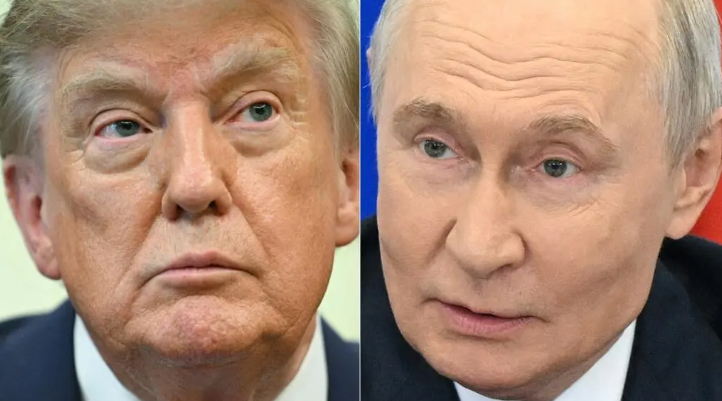
Donald Trump says Russia will supply millions of tonnes of diesel to help lower fuel prices, raising questions about US sanctions, energy policy and Washington’s support for Ukraine.
WEBDESK – MEDIABITES
US President Donald Trump has announced a deal with Russian President Vladimir Putin to supply diesel to US and global markets, marking a dramatic shift in Washington’s policy towards Moscow as the administration seeks to curb soaring fuel prices ahead of November’s midterm elections.
Trump said Russia had agreed to immediately supply more than 300,000 tonnes of diesel, followed by additional shipments in the coming months. The announcement comes despite years of Western sanctions imposed on Russia over its invasion of Ukraine and follows the US president’s signing of sweeping new sanctions legislation targeting Moscow’s energy sector last month.
In a social media post on Friday, October 9, Trump said the agreement was reached during a telephone conversation with Putin. The two leaders had been expected to discuss a suspected plague case in Russia, but Trump instead announced the energy deal.
According to Trump, Russia will initially supply more than 300,000 tonnes of diesel, followed by another 500,000 tonnes in November and 1 million tonnes “immediately thereafter.” He said an additional 3 million tonnes would be delivered within a short period.
The White House did not immediately clarify who would pay for the fuel, when the first shipments would arrive or whether the November deliveries would reach the market before Election Day on November 3.
Fuel prices drive policy shift
The agreement comes as global energy markets face renewed pressure from the war in Iran, which has disrupted energy supplies and pushed fuel prices higher.
In the United States, the national average price of diesel reached $6.23 per gallon on Friday, according to the American Automobile Association. Prices had hit a record $6.52 on September 22.
Trump presented the agreement as an effort to ease the burden on American consumers and businesses, particularly farmers, ranchers and truckers, whose operations depend heavily on diesel.
“Lower prices for Americans, especially our Great Farmers, Ranchers, and Truckers, is my Greatest Priority,” Trump wrote in his announcement.
However, the deal raises questions about how the administration intends to balance domestic economic pressures with its strategy of restricting Russia’s energy revenues, which help finance Moscow’s war against Ukraine.
New sanctions face questions
Trump’s announcement follows legislation signed last month that introduced extensive measures targeting Russian officials, banks and the network of tankers used to transport Russian oil.
The law also prohibits new US investment in Russia and the handling of Russian sovereign debt. It directs the administration to impose tariffs of up to 100% on the leading importers of Russian oil or natural gas, subject to specified exceptions.
The legislation further requires action against major purchasers of Russian energy, putting the latest diesel agreement under scrutiny as Washington seeks to enforce restrictions on Moscow’s energy trade.
The United States has not imported Russian oil or natural gas since 2022, when the Biden administration banned the imports following Russia’s full-scale invasion of Ukraine, according to the US Energy Information Administration.
Following Trump’s announcement, the US Treasury Department said it was issuing an immediate temporary license allowing Russian diesel to be supplied to the global market.
The move could complicate expectations about further sanctions against Russia this month, particularly as Congress has directed the administration to target major importers of Russian oil and gas.
Moscow welcomes energy cooperation
Russian presidential envoy Kirill Dmitriev welcomed the development, reposting the Treasury Department’s announcement on X.
“Russia-US cooperation on diesel and energy will benefit the world,” Dmitriev said.
The announcement could signal Washington’s and Moscow’s willingness to pursue energy cooperation despite ongoing disagreements over Ukraine. However, the immediate implications for the broader conflict and the future of US sanctions remain unclear.
Trump did not address Russia’s war against Ukraine in his announcement or explain how the diesel agreement would affect the existing sanctions framework.
The deal also leaves unanswered whether the proposed deliveries will lower prices for American consumers before the midterm elections or primarily benefit wider international markets.
With fuel costs emerging as a significant economic and political concern, the agreement places energy affordability at the center of a sensitive diplomatic decision that could reshape Washington’s approach to Moscow.
Its implementation, the timing of shipments, and the administration’s enforcement of sanctions will determine whether the deal represents a limited response to high fuel prices or a broader change in US policy towards Russia.

