


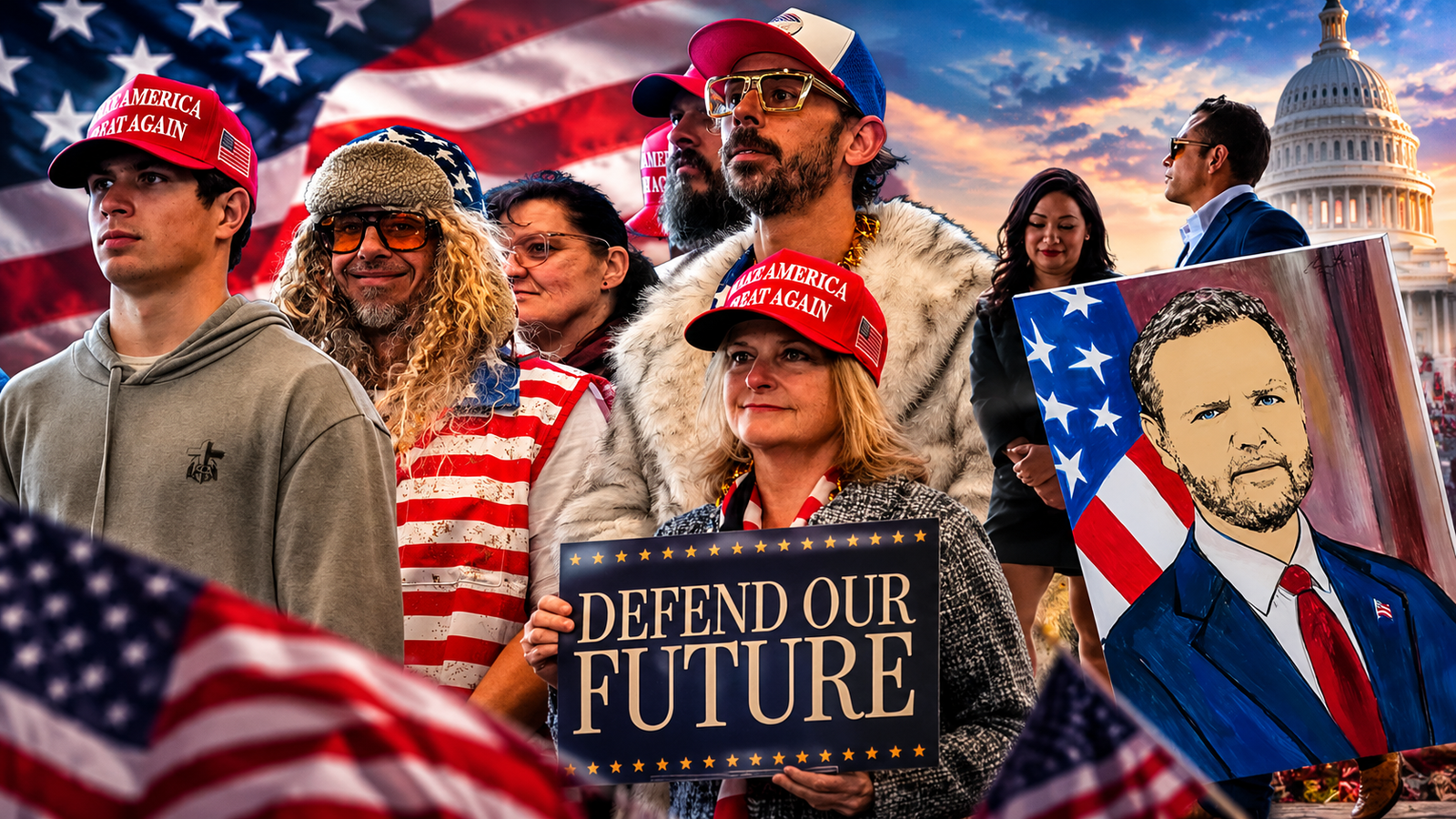
Young men who carried Trump to victory are mad. Vance is trying to win them back.
WEBDESK – MEDIABITES
Young men who swept Donald Trump back into the White House in 2024 are angry. The Iran war will not end, petrol prices keep climbing, and homeownership feels further away than ever. For the Republican Party heading into November’s midterms, this is a problem — and Vice President JD Vance has been handed the job of fixing it.
The numbers tell an uncomfortable story. Trump won 18- to 24-year-old men by three points in 2024. A recent Cygnal poll now puts his net favourability with 18- to 24-year-olds at minus 17. The swing is not ideological — analysts say young men were never deeply committed to conservative doctrine.
They were promised relief from economic pressure and a government that stopped ignoring them. The war in Iran, ongoing and expensive, has come to represent everything they feel was not delivered.
“It was not an ideological shift, but a shift based upon personal practical needs and a promise of improving their financial security,” said John Della Volpe, a pollster who specializes in Gen Z voters. “It’s pretty clear that they were rented by the Republican Party and not owned, specialized, and up for grabs.”
Enter Vance. The first millennial vice president has spent recent weeks hitting podcasts, rallies, and conservative media, speaking directly to young men in their own register. He sat down with MAGA podcaster Jack Posobiec on Air Force Two. He talked UFC with Joe Rogan.
He invoked the late Charlie Kirk as a model for disagreeing with an administration without abandoning it. His message, stripped down, is this: the disagreeing, your anger is valid, but burning it down leaves you living in the ashes.
“Young people, in general, are frustrated and yes sometimes that comes in the form of complaining loudly online, but they’re so hungry for the truth, and for hard truths too,” said Andrew Kolvet of Turning Point USA. “JD has a way of doing it without speaking down to them.”
Vance himself opposed starting the war with Iran but has publicly supported Trump since. He was the administration’s loudest voice for a ceasefire in April, traveling to Pakistan to try to broker one.
At September’s midterm convention, he appealed to you directly: “What I’m asking you to do is do what Charlie did. Do not throw the baby out with the bathwater.”
Not everyone inside the Republican Party believes he is the right messenger. One conservative commentator, speaking anonymously, pointed to polling showing Secretary of State Marco Rubio performing nine points better than Vance with men under 30.
Rubio, however, remains focused on foreign policy and is not on the campaign trail. A former Trump campaign official described the political environment heading into November as “probably the worst since 2006 for Republicans,” calling it “an all-hands-on-deck moment” rather than a one-man mission.
One person close to the White House was blunt: they did not believe Vance would succeed, given high fuel prices and a war with no visible end. “But he should still try, right?” they said. “Because it’s the right thing to do, and it’s also just good for him, bigger picture, if he’s making good arguments and raising his profile.”
Republicans believe the math still favours them with young men compared to Democrats, with party data showing persuadable male voters under 30 leaning more Republican in key states including Michigan, Ohio, Iowa and Alaska. Winning close Senate races in those states may depend on whether Vance can turn frustration into turnout.
Whether he can is an open question. What is not in doubt is that the young men who gave Trump his margin two years ago are watching — and waiting to see if anyone in Washington actually meant what they said.

