


Webdesk- Shiza Iqbal
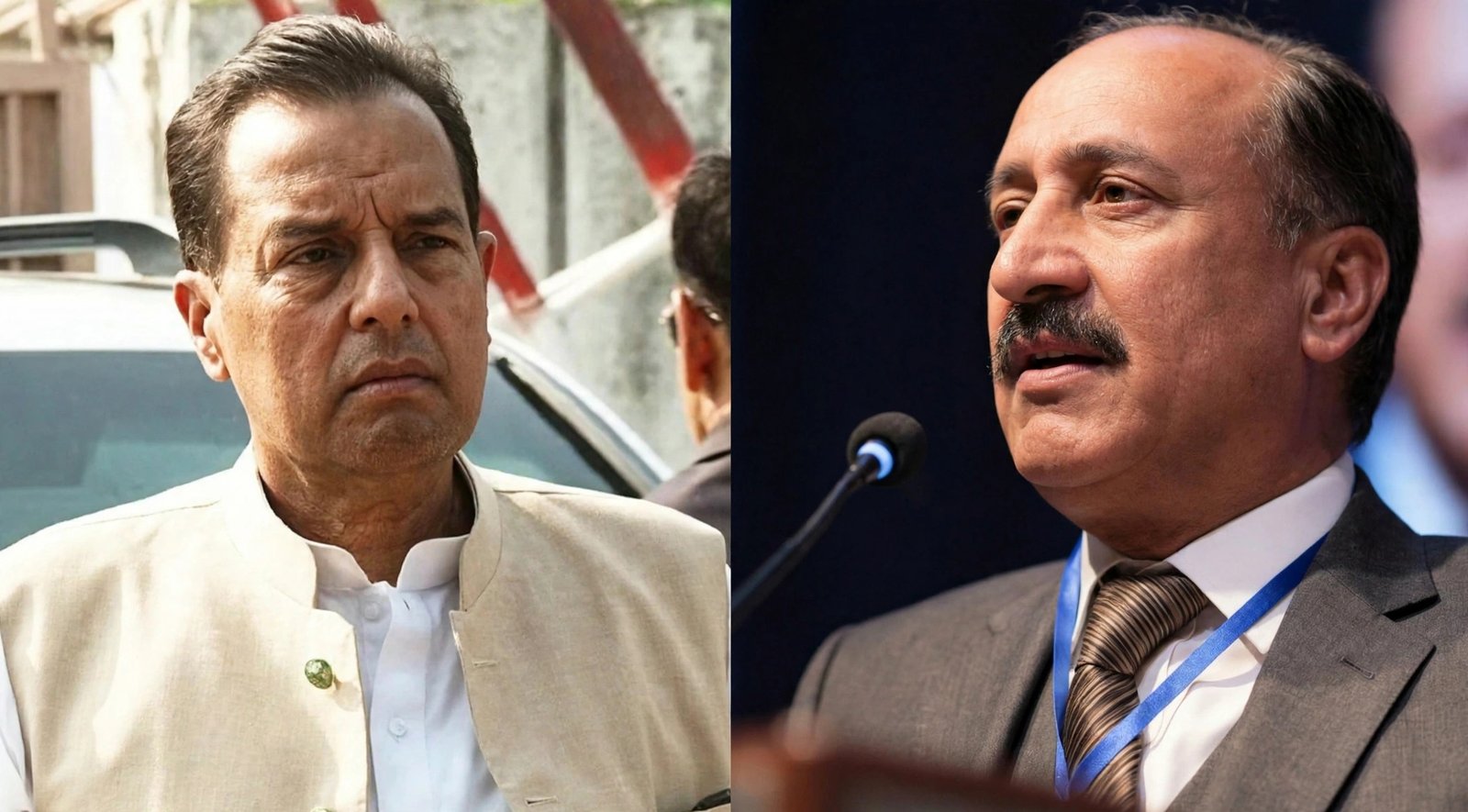
ISLAMABAD: A dispute involving Pakistan Muslim League-Nawaz (PML-N) leader Captain (retd.) Safdar and senior lawyers Ahsan Bhoon and Amjad Ali Shah has intensified in recent weeks, with the controversy reportedly tracing its roots back to a land dispute in Mansehra in 2021.
According to the account provided by lawyers familiar with the matter, Captain Safdar and his brothers purchased around 10 kanals from a larger 164-kanal jointly held property in Mansehra in 2021. The ownership and possession of the wider property subsequently became the subject of a legal dispute involving the family of former Supreme Court Justice Ijaz Afzal Khan.
The opposing side allegedly initiated legal proceedings, claiming that possession of the property had been obtained through unlawful means. The matter remains part of ongoing legal proceedings, and the allegations have not constituted a final judicial determination of wrongdoing.
Lawyers say the dispute later acquired another dimension when Captain Safdar allegedly sought the assistance of Amjad Ali Shah, a member of the Pakistan Bar Council, to represent his side in the legal proceedings. According to the lawyers’ account, Shah declined to appear against lawyers representing the opposing party, citing professional and political relationships within the legal community.
The same account alleges that tensions subsequently grew between Safdar and Shah, including questions raised about Shah’s academic credentials. However, the allegations concerning Shah’s degree have also been challenged through legal proceedings.
The issue resurfaced in 2026 after Ahsan Bhoon, a prominent figure in the Independent Group of lawyers, backed Amjad Ali Shah for the presidency of the Supreme Court Bar Association. According to the account, attempts were allegedly made to persuade the group to reconsider Shah’s nomination. Bhoon and other lawyers reportedly rejected such pressure, viewing it as interference in lawyers’ electoral affairs.
The controversy has since expanded through public statements and counter-allegations involving the individuals concerned. Some claims have also extended to broader allegations concerning the judicial system, while the parties involved have continued to defend their respective positions.
The dispute has now moved beyond a personal disagreement and into the sphere of lawyers’ electoral politics. With legal proceedings and competing claims still involved, the precise responsibility for the escalation remains contested.
The developments have also prompted calls from within legal and political circles for the matter to be resolved through appropriate legal and professional forums rather than through public accusations.

