


By Imran Malik | World Affairs & Gulf Desk | MediaBites.com.pk | SharjahNews.ae
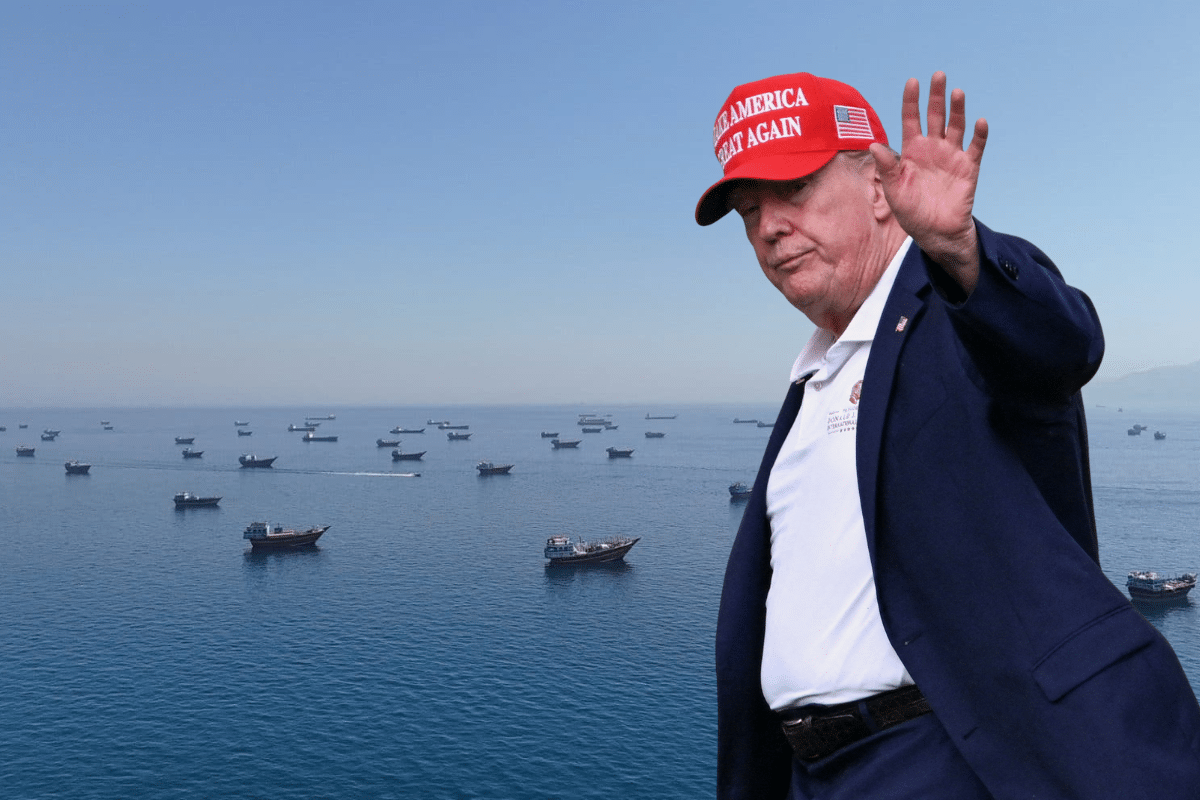
US President Donald Trump has reportedly rejected Iran’s seven day proposal to reopen the Strait of Hormuz while posting an image on Truth Social renaming the waterway the Trump Strait.
Iran offered to reopen one of the world’s most critical waterways in seven days. Donald Trump said no — and then renamed it on social media.
US President Donald Trump has reportedly rejected an Iranian proposal to reopen the Strait of Hormuz and implement a seven-day ceasefire, according to The Wall Street Journal citing US officials. Trump told his aides he expected to resume a bombing campaign against Iran after the US midterm elections in November.
Hours later Trump posted an image on Truth Social showing the Strait of Hormuz rebranded as the “Trump Strait.”
What Iran Offered
Iranian Foreign Minister Abbas Araghchi laid out Tehran’s proposal clearly on Friday.
“If the necessary conditions are met the strait can be reopened and normal maritime traffic can resume within seven days. The choice now rests with the United States.”
Iran’s full package included three specific US actions — lifting the naval blockade of Iranian ports, cancelling sanctions on Iranian oil sales and observing a ceasefire that includes Lebanon. In return Iran would reopen the Strait within seven days and resume nuclear talks.
The timeline was precise. Initial steps in four to five days. Strait reopens on day six. Nuclear negotiations begin on day seven.
Iranian President Masoud Pezeshkian confirmed the commitment on CBS Friday evening. If the US accepted Tehran would honour everything to which it had committed.
Iran’s Clever Calculation
Ali Vaez of the International Crisis Group identified exactly why Iran made this proposal now.
“This is a clever move. They know this proposal is very tempting for President Trump because it ends an unpopular war and lowers energy prices on the eve of the midterm elections. At the same time it revives an agreement that was largely to Iran’s benefit.”
Iran’s proposal closely resembles the June memorandum of understanding between the two countries but compressed from 60 days to seven. The timing — before November midterms — was deliberate.
Divisions Inside Tehran
Not everyone in Iran’s leadership supported the diplomatic push.
Ebrahim Rezaei of Iran’s Parliament National Security Commission attacked the foreign minister publicly on X.
“Do not beg for agreement and understanding. The message of weakness previously imposed a 40-day war on the people. Do not repeat the mistake.”
Pezeshkian responded by explaining that foreign policy decisions involve a six-member team representing security forces, parliament and government — not the foreign minister alone.
Qatar’s Prime Minister visited Tehran on Friday morning as part of ongoing mediation between Washington and Tehran — signalling Iran’s proposal was coordinated not improvised.
Washington — Talks Continue But No Rush
Despite Trump’s reported rejection a US official confirmed to Reuters that “positive and constructive” talks with Iran were continuing including on nuclear issues.
The gap between Trump reportedly planning to resume bombing after midterms while officials describe positive talks suggests either a deliberate strategy or a genuine internal division within the administration.
What This Means for the Gulf and Pakistan
The Strait of Hormuz handles approximately 20 percent of global oil trade. Its closure since February has driven energy prices higher across every market that depends on Gulf oil — including Pakistan and the UAE.
Iran offered to reopen it in seven days. Trump said no. Then gave it a new name.
The Strait remains closed. The war continues. The midterms are in November. And the world is waiting to see whether Trump’s rejection is his final word or his opening position.
— Imran Malik | World Affairs and Gulf Desk | MediaBites.com.pk | SharjahNews.ae | NJNewsline.com
Sources: Euronews, Wall Street Journal, Associated Press, Reuters, International Crisis Group

