


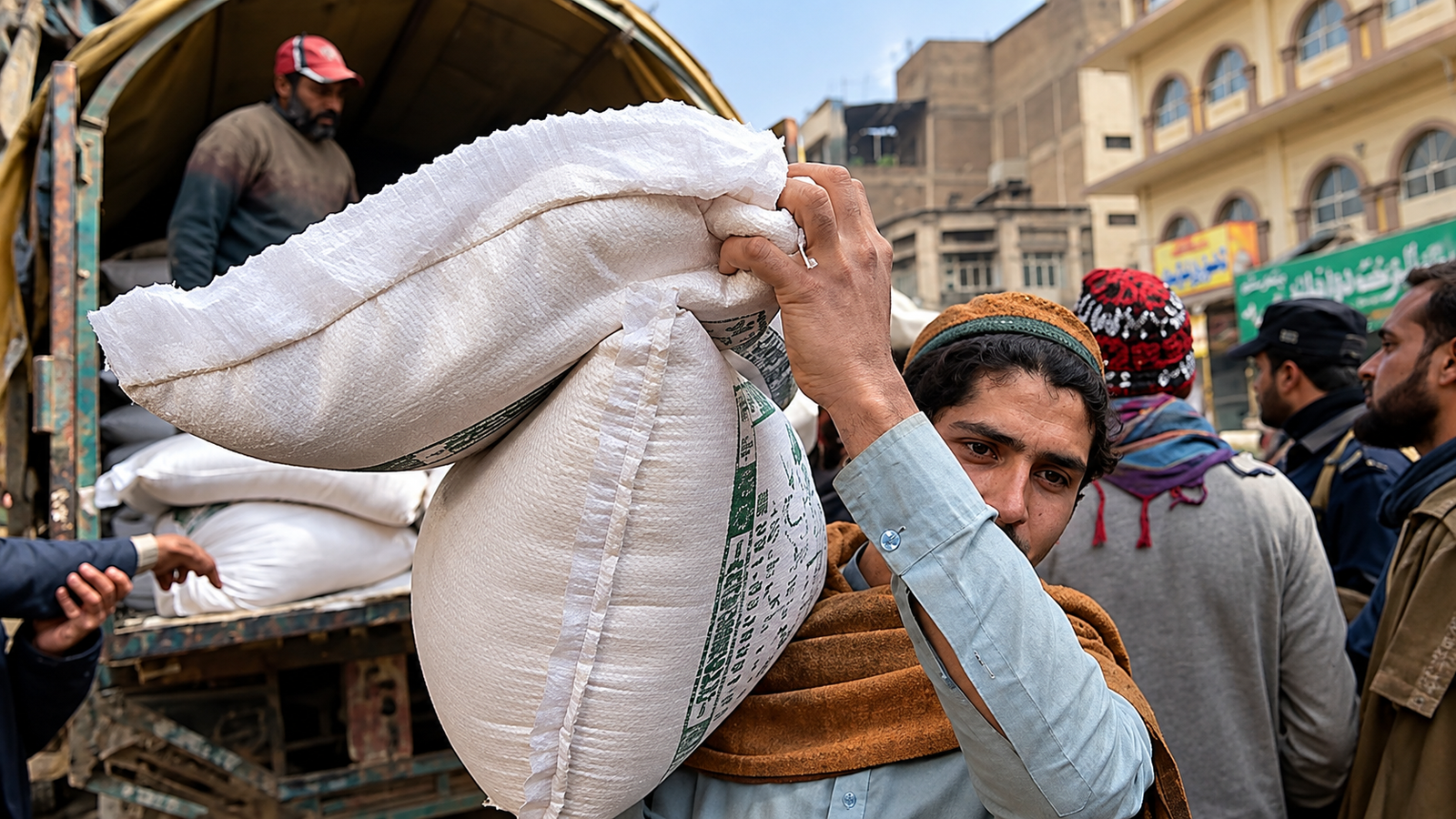
Pakistan is preparing to import 750,000 metric tonnes of wheat through the Trading Corporation of Pakistan (TCP), but the decision has exposed a deeper problem: the federal government and provinces still do not agree on the size of the country’s actual wheat shortfall.
WEBDESK – MEDIABITES
The TCP has invited international suppliers to bid for the latest crop of wheat, with deliveries planned via Karachi and Gwadar. Under the approved distribution plan, Sindh is to receive 300,000 tonnes, Punjab 250,000 tonnes and Khyber Pakhtunkhwa 200,000 tonnes.
The tender is the first phase of an earlier government decision to import up to 1 million tonnes. Deputy Prime Minister Ishaq Dar had directed the TCP to begin the procurement process, with the first 750,000 tonnes scheduled for delivery in November.
But the import decision comes after considerable uncertainty over provincial requirements.
According to the source analysis, Punjab initially sought up to 1 million tonnes of imported wheat, then reduced its demand, indicating it could rely on wheat released from federal stocks. Sindh similarly reduced an earlier import requirement, while Khyber Pakhtunkhwa maintained its request for 200,000 tonnes.
That shifting demand has raised questions over why the federal government is importing wheat that some provinces had recently indicated they did not urgently require.
Wheat prices remain under pressure
The uncertainty is unfolding alongside sharply higher wheat and flour prices.
According to the source material, wheat flour prices rose 77.5% year-on-year by early August, reaching Rs132.50 per kilogram from Rs75. Wheat and flour prices also continued to climb during the months when Punjab and Sindh’s new crop entered the market.
Market participants attributed part of the increase to speculative buying and hoarding rather than simply a shortage of wheat.
The timing of the imports is another concern. With the new wheat expected to arrive months after the procurement process, the imported supply may have limited immediate impact on retail prices.
How big is Pakistan’s wheat gap?
Official figures suggest Pakistan will consume about 31.3 million tonnes of wheat against production of around 29.6 million tonnes, implying a shortfall of less than 2 million tonnes. The Economic Survey 2025-26 put wheat production at 29.61 million tonnes.
However, representatives of the grain trade have estimated significantly lower production and a much larger national deficit. The conflicting estimates have made it difficult for policymakers to establish how much wheat Pakistan actually needs to import.
The country has also struggled with wheat-management decisions in previous years. A major 2023-24 import of around 3.5 million tonnes contributed to a glut, while subsequent investigations highlighted serious institutional shortcomings.
For now, the government argues that imports are necessary to protect food security, maintain strategic reserves and prevent further price pressure. The bigger challenge, however, remains establishing one reliable assessment of production, consumption and stocks.
Until that happens, Pakistan risks repeating a familiar cycle: importing too late when shortages emerge, or importing too much when supplies appear adequate.


2 Comments
Nhiều người nhắc đến fly888 khi tìm kiếm nền tảng giải trí trực tuyến.
Operating lockout tools around side airbags requires thorough understanding of vehicle interior layouts. It is wise to explore free vehicle entry safety rules to review critical safety guidelines before attempting entry.