


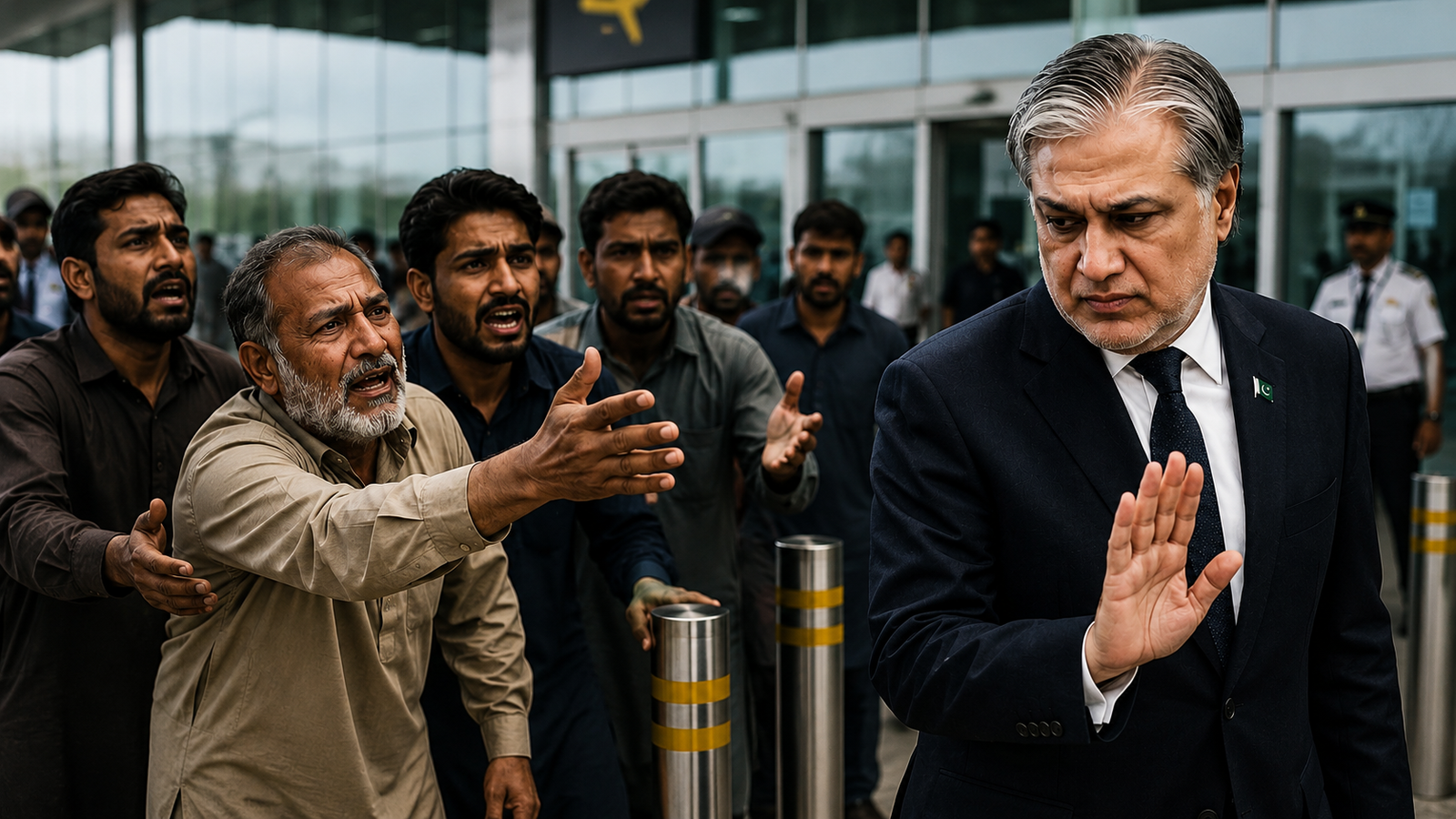
More than 21,951 Pakistanis were deported from Gulf countries between March and July 2026 for overstaying, visa violations, illegal entry and begging as UAE also stops renewing Pakistani visas.
By Imran Malik | National Affair Desk | MediaBites.com.pk
While Pakistan’s Foreign Minister Ishaq Dar manages the country’s complex relationships with global powers, navigates Middle East geopolitics, and represents Pakistan on international platforms, a quiet crisis is unfolding in the Gulf that demands his immediate and urgent attention.
More than 21,951 Pakistanis were deported from Gulf countries in just four and a half months, between March 1 and July 13, 2026, according to a written response submitted by the Ministry for Narcotics Control in the National Assembly.
The figure is not a statistic. It represents 21,951 Pakistani families whose Gulf dreams ended in deportation.
Country-by-Country Breakdown — Saudi Arabia Leads
The deportation figures paint a stark picture of how Gulf countries are treating Pakistani workers and residents in 2026.
| Country | Pakistanis Deported |
|---|---|
| Saudi Arabia | 15,500 |
| UAE | 3,803 |
| Oman | 1,606 |
| Bahrain | 521 |
| Qatar | 429 |
| Kuwait | 97 |
| Total | 21,951 |
Saudi Arabia alone accounts for nearly 71% of all deportations, deporting approximately 15,500 Pakistanis in the period. The UAE follows with 3,803, a number that is particularly alarming given the deteriorating visa situation Pakistani nationals are currently experiencing in the Emirates.
The Reasons — And the Most Embarrassing One
Deportations were recorded for multiple reasons, including overstaying, illegal entry, visa violations, and security concerns.
But the figure that should cause the most national reflection is this: 472 Pakistani beggars were deported from Gulf states during the same period.
Nearly 500 Pakistani nationals were found begging on the streets of Gulf countries and were deported back home. In countries where Pakistan’s largest diaspora communities live, work, and send billions of dollars in remittances annually, Pakistani beggars represent a national image crisis that no foreign policy statement can easily repair.
The UAE Crisis — Visas Not Renewing, Tourists Losing Status
The deportation figures exist within a broader and deeply concerning deterioration of Pakistan-UAE relations that is directly affecting millions of Pakistani families.
UAE authorities are currently not renewing visas for a significant number of Pakistani nationals. More alarmingly, Pakistanis who traveled to the UAE on visit visas are reportedly finding their visas canceled automatically without formal notification or process.
This is not a bureaucratic inconvenience. The UAE hosts approximately 1.6 million Pakistanis who collectively send billions of dollars in annual remittances to Pakistan. These remittances are not simply family support payments. They are a critical pillar of Pakistan’s foreign exchange reserves, its balance of payments, and the economic survival of millions of Pakistani households.
Every Pakistani deported from the UAE, every visa not renewed, every visit visa cancelled is a direct economic blow to Pakistan’s already fragile financial position.
Foreign Minister Dar — Ik Nazar Idher Bhi Ho Jaye
Pakistan’s diplomatic establishment appears to have invested significant energy in navigating US-Iran tensions, expressing solidarity with Palestine, and engaging in various multilateral forums. All of these matter.
But the Gulf is where Pakistan’s economic lifeline flows.
Ishaq Dar, as Foreign Minister, has the relationships, the seniority, and the institutional authority to address the Pakistan-UAE relationship crisis at the highest diplomatic level. The question is whether the urgency of 21,951 deportations in four months, combined with the visa renewal crisis affecting 1.6 million Pakistani residents, is receiving the priority it demands.
Pakistan should not be taking sides in other countries’ conflicts when its own workers are being deported from the countries that sustain its economy. Neutrality in regional disputes, combined with aggressive diplomatic efforts to repair Gulf relationships, is not weakness. It is the most rational economic foreign policy Pakistan can pursue in 2026.
The Numbers That Demand Action
Pakistan receives approximately $27 billion in annual remittances, with the Gulf countries contributing the largest share. Saudi Arabia and UAE alone account for a majority of that figure.
A sustained deterioration in Gulf-Pakistan relations, accelerated deportations, visa restrictions, and the reputational damage of 472 Pakistani beggars being sent home from the region threaten a remittance flow that Pakistan cannot afford to lose.
Foreign Minister Ishaq Dar, ik nazar idher bhi ho jaye.
The Pakistani workers in the Gulf are not a diplomatic abstraction. They are the people keeping Pakistan’s economy alive. They deserve the same diplomatic energy that Pakistan invests in every other foreign policy priority.
Before navigating anyone else’s conflicts, Pakistan must protect the economic corridor that runs from Karachi and Lahore to Riyadh, Dubai, and Muscat.
— Imran Malik | National Affairs and Diaspora Desk | MediaBites.com.pk | SharjahNews.ae | Southera.com. Source: Ministry for Narcotics Control written response, National Assembly of Pakistan

