


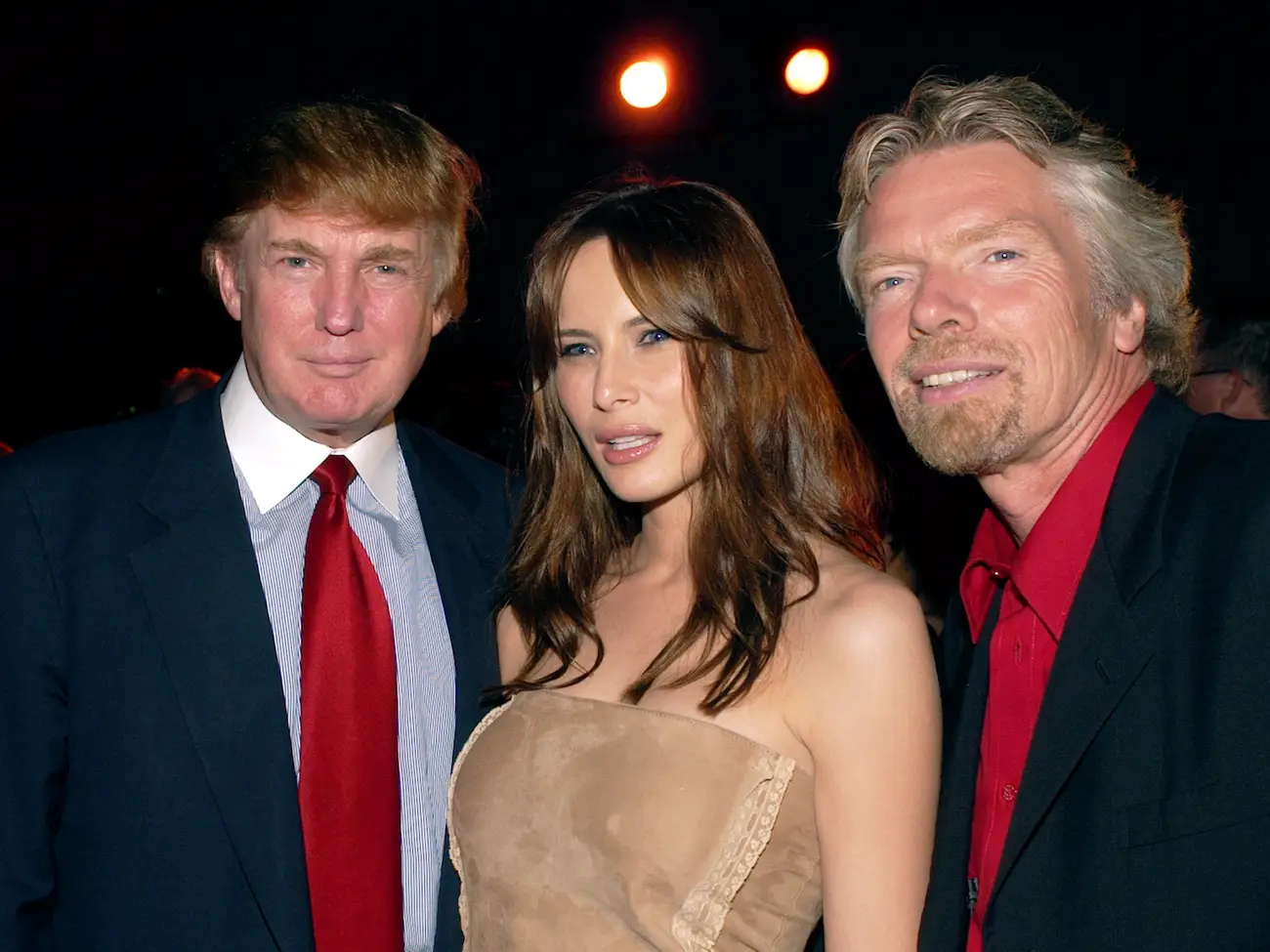
Entrepreneur Richard Branson has called the six-month US war with Iran an unmitigated disaster that has failed its objectives and warns America risks a Suez Crisis-style decline in global influence.
By Imran Malik | World Affairs Desk | MediaBites.com.pk | NJNewsline.com
One of the world’s most prominent entrepreneurs has delivered one of the bluntest assessments yet of the United States’ six-month military campaign against Iran, calling it an unmitigated failure and warning that America risks experiencing a defining moment of imperial overreach comparable to Britain’s humiliation at Suez in 1956.
Richard Branson, writing in an opinion article published August 27, argued that the US campaign known as Operation Epic Fury has failed to achieve the objectives that prompted Washington to launch it, despite military strikes, targeted assassinations of senior commanders, and unprecedented economic pressure.
“The war has been an unmitigated disaster,” Branson wrote, arguing that Iran’s nuclear programme had not represented an immediate threat even by US intelligence assessments, that the 2015 nuclear deal provided a more effective framework before Trump withdrew in 2018, and that the military campaign has strengthened rather than weakened Iran’s ruling establishment while suppressing a pro-democracy movement.
More than 900 Iranians have been executed in 2026, according to human rights groups cited by Branson, including protest participants, with thousands more imprisoned.
The Strait of Hormuz remains the clearest example of the strategy’s limits. Iran continues to exert influence over the waterway while threats and uncertainty have sharply reduced global shipping activity, driving up fuel and food prices for ordinary consumers worldwide.
Branson drew a direct parallel with Britain’s 1956 Suez Crisis, when British, French and Israeli forces failed to regain control of the Suez Canal and the episode became a defining symbol of Britain’s declining global power.
His core argument is that economic pressure can work in international disputes but only when combined with diplomacy, maintained alliances, open communication with adversaries, and leadership willing to listen and compromise. The Trump administration, he argues, has relied too heavily on force while alienating the allies and neutral countries whose support makes American power sustainable.

