


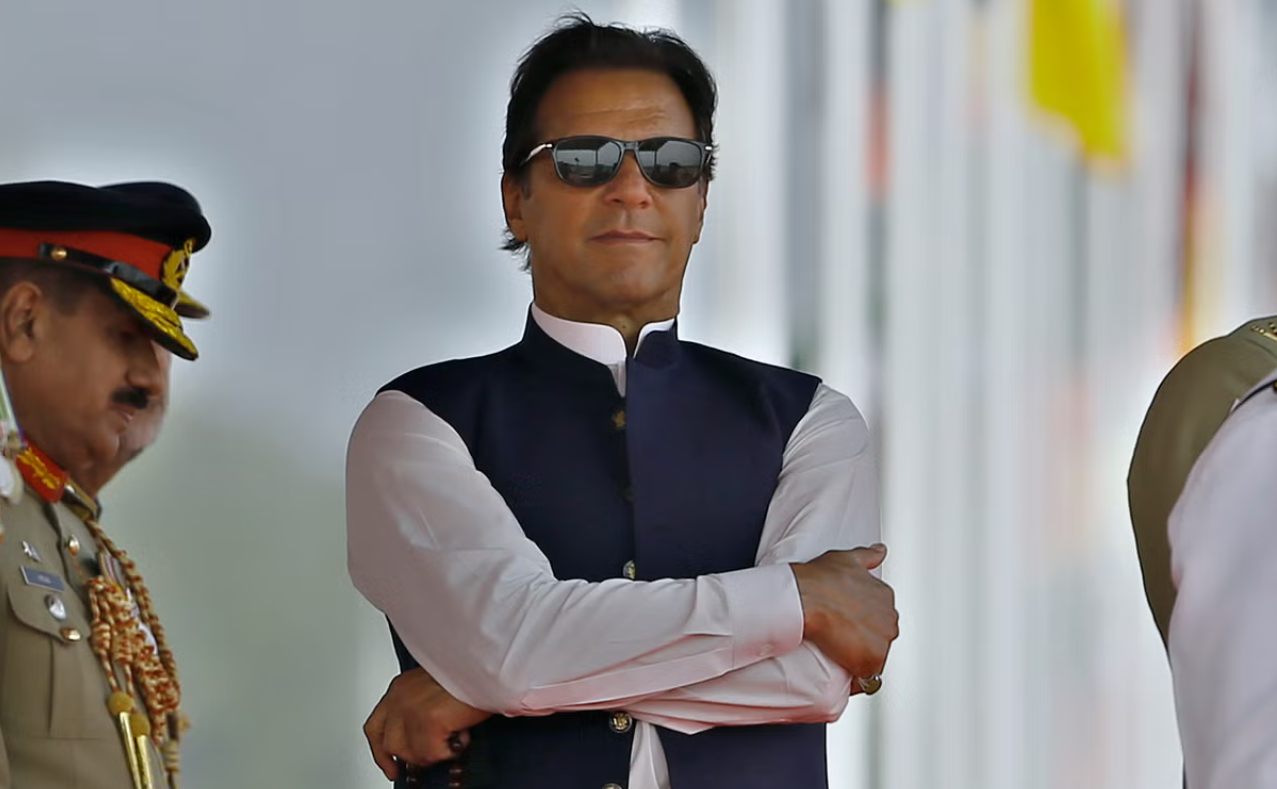
Imran Khan’s family says his worsening health could justify release from prison as reports suggest quiet discussions continue, though Pakistan’s government insists his legal cases remain before courts.
By MediaBites News Desk – Source: The Observer UK
Former Pakistan Prime Minister Imran Khan could be released from prison on medical grounds, according to his family and close associates, amid reports of behind-the-scenes discussions over his future after nearly three years in custody.
Khan, 73, has remained imprisoned at Adiala Jail near Rawalpindi since 2023 and has spent much of that period in solitary confinement following his conviction in corruption-related cases. Once Pakistan’s most celebrated cricketer and the country’s prime minister, Khan has largely disappeared from public view, appearing only briefly during virtual court proceedings.
According to reports, individuals familiar with discussions involving people close to the military establishment and Khan’s family say possible options for his release have been explored through intermediaries. However, no official agreement has been announced, and any potential arrangement remains uncertain.
One proposal reportedly under discussion is Khan’s release on humanitarian or medical grounds. His family has repeatedly expressed concern over his health, particularly after an eye operation earlier this year and months of restricted contact with relatives.
In a statement, Khan’s sons, Sulaiman and Kasim Khan, said they could no longer remain silent about their father’s condition.
“Our father has been isolated from the outside world for more than seven months,” they said. “We fear our father’s health has deteriorated during the prolonged imprisonment, and we have been denied regular, independent contact with him.”
Sayed Zulfi Bukhari, one of Khan’s close advisers, also urged authorities to release the former premier, saying he requires proper medical treatment and should not remain in prolonged isolation.
Political observers note that Pakistan has seen similar precedents before. In 2019, former Prime Minister Nawaz Sharif was allowed to travel abroad for medical treatment after being granted relief while serving a prison sentence. However, analysts believe any comparable arrangement for Khan could involve conditions such as leaving Pakistan or stepping away from active politics—terms many of his supporters believe he would reject.
Human rights lawyer Clive Stafford Smith, who describes Khan as a longtime friend, questioned whether the authorities would be willing to release him, arguing that Khan is unlikely to remain silent if freed.
Meanwhile, Pakistan’s government has dismissed speculation surrounding any imminent release.
Minister of State for Interior Talal Chaudhry said any discussions concerning Khan would take place through the government rather than other institutions. He also rejected suggestions that Khan qualifies for medical bail, maintaining that the former prime minister is receiving appropriate care and that his legal cases will ultimately be decided by the courts.
Khan’s imprisonment continues to dominate Pakistan’s political landscape nearly four years after his removal from office through a parliamentary no-confidence vote in 2022. His Pakistan Tehreek-e-Insaf (PTI) party remains one of the country’s largest political forces despite legal restrictions and the incarceration of several senior leaders.
Whether humanitarian considerations, legal proceedings or political negotiations eventually determine Khan’s future remains unclear, but his imprisonment continues to be one of Pakistan’s most closely watched political issues.


3 Comments
start entrepreneur online start business startentrepreneureonline start business start entrepreneur online startbusiness start business startbusiness start business
Nhiều người nhắc đến fly 88 khi tìm kiếm nền tảng giải trí trực tuyến.
Today, I wwent too thee bbeach frdont ith mmy children. I found a seaa shelll andd gave iit too myy
4 yezr olld daughter annd said “You can hear the ocean if you put this to your ear.” Shee put thee shell too herr earr aand
screamed. Thee wwas a hermut crab nside and it pinchd
heer ear. Shhe neveer wants too goo back! LoL I kow tjis iis ttotally offf topic but I had to telll
someone! xnxx