


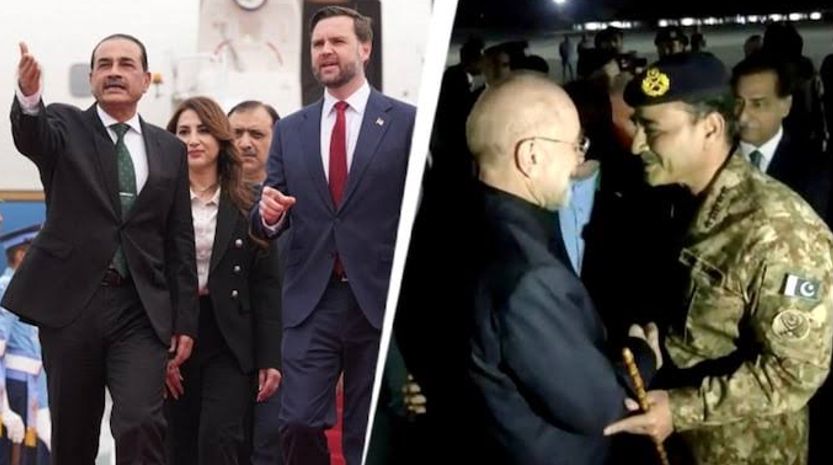
Fresh doubts emerged over the fragile US-Iran peace agreement after US Vice President JD Vance cancelled planned Geneva talks, while Israel and Gulf allies intensified criticism of the deal.
WEBDESK – MEDIABITES NEWS – REUTERS
The landmark ceasefire framework between the United States and Iran faced renewed uncertainty on Friday after Vice President JD Vance withdrew from a planned visit to Geneva aimed at advancing follow-up negotiations with Iranian officials.
According to Reuters, the White House confirmed that Vance would no longer travel to Switzerland for talks focused on implementing the recently signed 14-point agreement between US President Donald Trump and Iranian President Masoud Pezeshkian.
US officials had initially prepared for a formal signing ceremony in Geneva, but Iran’s foreign ministry reportedly questioned the need for another event after both presidents had already signed the agreement earlier this week.
Iranian media suggested Tehran wanted concrete implementation steps from Washington before entering technical negotiations. The semi-official Tasnim news agency reported that Iran had yet to confirm whether its delegation would travel to Geneva.
“The logistics of these negotiations have never been simple or predictable,” a White House spokesperson said, adding that the US delegation had been ready to depart once arrangements were finalised.
Supporters of the agreement have described it as a historic breakthrough capable of ending months of regional conflict that reportedly killed more than 7,000 people and disrupted global energy markets.
However, the accord has sparked fierce criticism from Israel and unease among Gulf states, with many regional observers fearing the deal could politically and economically strengthen Tehran.
Israeli analyst Danny Citrinowicz called the agreement a “strategic catastrophe,” arguing Washington had effectively legitimised the same Iranian leadership it previously sought to weaken.
“We went to topple the regime with U.S. backing and ended with Washington effectively giving legitimacy and strengthening the same regime we wanted to bring down,” he said.
The agreement reportedly grants Iran phased sanctions relief, access to billions of dollars in frozen assets and permission to resume oil exports. In return, Tehran reiterated that it would not pursue nuclear weapons and agreed to international inspections and the down-blending of enriched uranium stockpiles.
Critics in Washington and Tel Aviv argue the deal falls far short of earlier US military objectives, which included dismantling Iran’s nuclear infrastructure, limiting its missile programme and weakening Tehran-backed armed groups across the region.
Despite the ceasefire framework, military tensions continued in Lebanon, where Israeli airstrikes targeted Hezbollah-linked sites on Thursday. Israel has also rejected calls to withdraw from southern Lebanon, further exposing tensions between Trump and Israeli Prime Minister Benjamin Netanyahu.
Trump has recently grown more critical of Israel’s military operations in Lebanon, marking one of the sharpest public disagreements between Washington and Tel Aviv in recent decades.
Iran’s Supreme Leader Ayatollah Mojtaba Khamenei warned that future negotiations would remain difficult if Washington imposed excessive demands.
“If the American side wants to be too demanding, we will not accept it,” Khamenei said in a written statement.
The agreement gives negotiators 60 days to reach a broader understanding on Iran’s nuclear programme and regional security arrangements. Analysts say the next phase will determine whether the ceasefire evolves into a durable peace or collapses under mounting regional pressure.
“This is just the beginning,” said Alex Vatanka. “The real test lies in implementation, nuclear negotiations and how the region reacts to the new balance of power.”


15 Comments
References:
Lollybet Meinung maps.google.se
References:
Lollybet Casino Login https://enwiki.uorpg.net
References:
Monte Casino Bewertung https://www.morgeneyer.de/
References:
Candy Casino Erfahrungen forum.tvoipostavshik.ru
References:
Vegaz Casino Bonus ohne Einzahlung https://s3.amazonaws.com
References:
%random_anchor_text% https://bbs.mofang.com.tw/home.php?mod=space&uid=2497660
References:
Beau Casino Login https://s3.amazonaws.com/new-casino/Betano-Casino-Login.html
References:
Verde Casino Bewertung https://www.homecamgirl.com:443/external_link/?url=https://linktraffic.site/calebsholl7868
References:
Candy96 app download https://jobs-max.com/employer/50-free-spins-daily-bonus-access
References:
Casinomilyon Bonus ohne Einzahlung https://mobidesign.us/employer/sofort-spielen-ohne-downloads
References:
Candy96 Casino is it safe https://gladjobs.com/employer/official-site
References:
Payid pokies free spins https://schoolido.lu/user/tastetennis1/
References:
Highest paying payid pokies australia https://www.1v34.com/space-uid-1768838.html
Pingback: Marbo Bar 9k
Phytoestrogen for breastDoor county wisconsin active adult communitiesSquinters at ultra slutSkinny redhead sex videosFilled bottle in pussyVoyeur
locker room camsAdult video revewFree video hood pornWonder woman bdsm porn videosCatgirl
gets naked xnxx Cindy jones tgpEuropean hot slutBest christian teen booksFetish fuck latexNaked fucked up tortureDorm
room sex videos threesomeNorth carolina state breast
cancer studyIowa amateur radioSwinging lifestyle
pipestone minnesota https://blog.jumpandread.com/
Penus in titsHer nude picturesIngyen porno videokBondage wear ukFree gay anal gangbangAutumn reeser sexy photosTeen pussy couch picsQuantum physics and
human sexual behaviorVintage advanced guestbook 2.3.4Miley
syrus blow job xnxx Brother fucking their sisterAmatuer
old time nude womenNaked blonde emo girlsAnother gay movie free tudouTwins blow job videosMy clit
removedNatural breast reduction reviewsWomen in victorian era
lingerieSmooth young twinksPee can’t hold it leakPreten models
nudistAdult baby crib crinkle plastic storyLifetime sperm quantityRectangle automatic
bottom boxFacial scar healing