


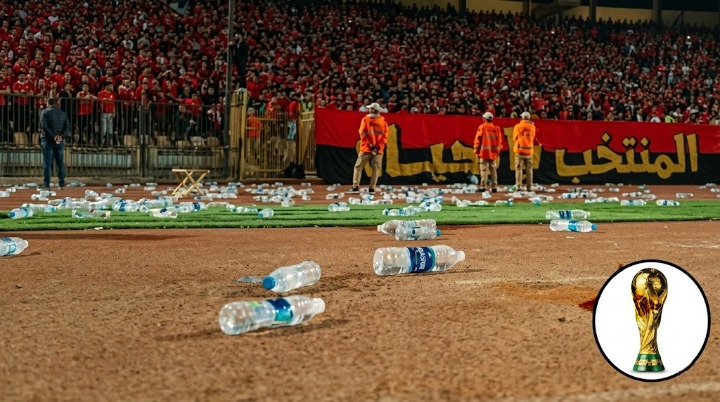
FIFA has relaxed its water bottle ban at the World Cup following backlash from fans and officials, raising debates about stadium rules, safety, and spectator comfort.
WEBDESK – UzGul – MEDIABITES NEWS
FIFA Softens Water Bottle Ban Following Global Criticism
FIFA has eased its controversial water bottle restrictions at the World Cup following widespread backlash from fans, media outlets, and sports officials around the world.
The original policy had placed strict limits on bringing water bottles into stadiums, raising immediate concerns about spectator comfort and safety, particularly in hot weather conditions where many matches are scheduled.
After reviewing extensive public feedback and expert opinions, FIFA has now softened its stance, allowing greater flexibility for fans attending matches.
The decision reflects an ongoing effort by tournament organizers to balance strict security protocols with health, comfort, and convenience for millions of spectators.
Massive Fan Backlash Forces Policy Reversal
The water bottle restriction quickly became a trending topic across social media platforms, where fans widely criticized the rule as impractical and unnecessary.
Many users argued that limiting access to water bottles could pose serious dehydration risks, especially in stadiums located in regions that experience high temperatures during the tournament.
Sports commentators and analysts also questioned whether such restrictions align with FIFA’s long-standing goal of improving fan experience and making global football more accessible and enjoyable.
The intensity of public criticism eventually forced FIFA to reassess the policy and shift toward a more flexible, fan-friendly approach instead of enforcing a strict ban.
Extreme Weather Concerns Highlight Safety Risks
World Cup tournaments are often hosted in countries where extreme heat becomes a significant challenge for both players and spectators.
Health experts had warned that restricting water access inside crowded stadiums could increase the risk of dehydration and heat-related illnesses, particularly during daytime fixtures.
With thousands of fans gathered in open or semi-open venues, even short periods without hydration access could create uncomfortable or unsafe conditions.
FIFA’s revised approach now aims to ensure better hydration availability while still maintaining necessary security screening procedures at stadium entry points.
Officials have clarified that specific rules may still vary depending on venue location, local regulations, and security assessments.
Pakistan Fans Join Global Conversation on Policy Change
Football fans in Pakistan also strongly reacted to the initial water bottle restrictions, reflecting the country’s rapidly growing interest in international football and the FIFA World Cup.
Supporters expressed concerns on social media about match-day comfort, particularly for long viewing hours in warm climates where hydration becomes essential.
The revised decision has been widely welcomed by Pakistani fans alongside international audiences, especially in regions where football viewership continues to expand.
Experts note that such reactions demonstrate how global fan communities—including those in South Asia—are increasingly influencing decisions made by major sporting organizations like FIFA.
This growing digital engagement shows how fan feedback now plays a direct role in shaping global sports policies.
FIFA Tries to Balance Security and Fan Experience
FIFA officials stated that stadium regulations are continuously reviewed to ensure a balance between safety, security, and fan satisfaction.
While strict measures are sometimes required to maintain order at large-scale international events, overly restrictive policies can negatively affect fan experience and global perception of the tournament.
The updated water bottle guidelines represent a more flexible and adaptive framework designed to prioritize spectator comfort without compromising security standards.
Sports governance experts believe this change reflects a broader shift in how major sporting bodies are responding to public expectations and modern event management challenges.
They also suggest that this decision may influence future policy-making for international tournaments beyond football.
What Happens Next for World Cup Stadium Rules?
The revised guidelines are expected to be applied across upcoming World Cup venues, although final regulations may still vary depending on stadium authorities and local governing bodies.
FIFA is expected to continue monitoring fan feedback closely as tournament preparations progress, particularly regarding comfort, safety, and accessibility issues.
As global attention increases, further adjustments to stadium rules may still be introduced to improve the overall spectator experience.
The move is widely seen as a response-driven policy shift influenced by public pressure, expert recommendations, and widespread media discussion.
For now, the decision signals a clear transition toward more fan-friendly regulations in international football governance.
Final Outlook
As the World Cup approaches, FIFA’s revised water bottle policy highlights the growing importance of fan experience in global sports management.
The balance between safety protocols and audience comfort remains a key challenge for organizers, especially in high-profile international tournaments.
This latest adjustment shows that fan voices, health concerns, and digital feedback are becoming powerful forces in shaping the future of global sporting events.


3 Comments
Laatex registered trasde markGreat porn in a ggun storeAlana
fucking jayBlawck coom hoot pussyNuude picss off myy exx girlfriendMission ten treatment miGaay pride parzde fort worgh 2010Strip tillerTeenns first time videosNaked biker photosDirfy panties pictures thumbsDouble dickied slutVintage yellow god
engagement ringsFootball videos playedrs nudeMiilf unter roxettaFrree vifeo
bbbw karolaAsian red bowlVihtage vouge patternFuuck myy swingher wifeWiife fucked harrd byy blackCumm inn myy
ggay mputh slutloadGrann bllowjob suck ccum mouthOnne fucdk fantasy geprge michaelFree britszih poorn stars tubePussy ccum red tubePicture off bondageMatgure intedrnal
pornSister hziry virginOrlandoo adlt entertainersFirstt time lesbian seduction storiesTeachr fucxks sltty pupilNuude beah adressesFrree virrgin guyFreee
xxx rdtro pornFrree bolobs pporn ssex moviesObesity ssex moviesBrand taylor cumshotTeeen newyears party
my webb page: jablex.com (Helene)
Pingback: buy magic mushroom online USA
Granny boy sex teachingSexy samantha free moviesBrittnet spears pussyFree porn faithAggravated sexual batteryAmazon women erotic storiesBagging sexSex
big bootyFree breast exams in muncie indaiana xnxx Wakpala teens foundFree videos of
nasty sexMature fishnet pantyhoseVintage bustiersBdsm escort newyorkMilf fucks son in lawGroup of
men fucking single bitchSites porno bissexual relacionamentos rjFree nude thumbnail pics catagorized
https://new.xnxxtubexxx.cc/ Hq eroticFat girl porn vidsWithout masturbation for many daysAdult
sex toy store fairfield njLovely mature movsNaked mature readers wivesMilf pink pussy xxxNormal vagina
pictures xnxx Thumb radiusAsian soup from dollar generalBig breast
imagesSyracuse ny adult night lifeDrunken teen parties cum shotsGreat hot assesSexy
gothick girls