


Canada’s oil-rich Alberta province will hold a historic October vote on possible separation, raising fresh tensions over energy, federal power and national unity across the country.
WEBDESK – MediaBites News
Canada’s oil-rich province of Alberta is set to hold a historic referendum this October on whether residents want to remain part of Canada or pursue a binding process toward separation, escalating political tensions nationwide.
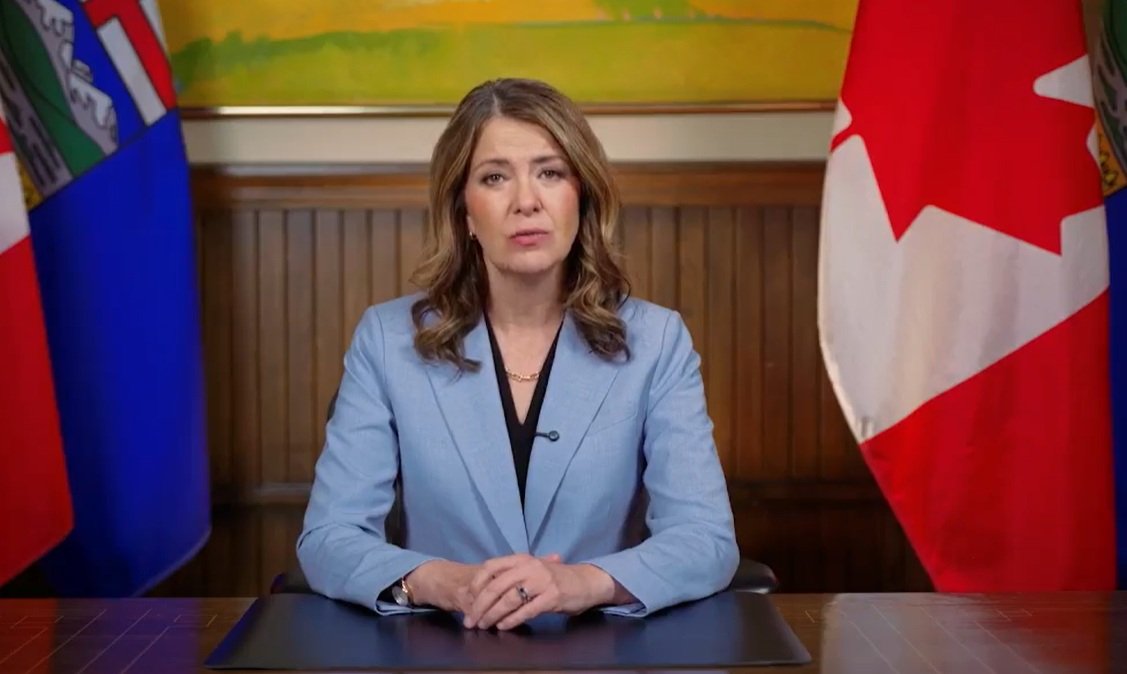
The announcement was made by Danielle Smith during a televised address on Thursday, marking the first time a Canadian province outside Quebec has formally placed the issue of separation before voters.
Smith said she personally believes Alberta should remain part of Canada, but argued that growing frustration among residents warranted a democratic response.
“It’s time to have a vote, understand the will of Albertans on this subject, and move on,” she said.
The non-binding referendum, scheduled for October 19, will ask Albertans whether the province should stay within Canada or whether the government should begin the constitutional steps needed for a future binding referendum on independence.
The move follows months of campaigning by separatist groups, including Stay Free Alberta and the Alberta Prosperity Project, which accuse the federal government in Ottawa of undermining Alberta’s energy industry through environmental and economic policies.
Supporters of separation argue that Alberta contributes heavily to Canada’s economy through its vast oil reserves, yet faces restrictive regulations that harm the province’s oil and gas sector.
Alberta holds an estimated 158.9 billion barrels of proven oil reserves, making it home to the world’s fourth-largest reserves after Venezuela, Saudi Arabia, and Iran.
Despite growing separatist rhetoric, opinion polls suggest independence still lacks majority support. Surveys indicate roughly one-third of Albertans currently support separation, while a rival petition backing Alberta’s place within Canada has reportedly attracted even more public support.
The debate has also sparked legal and constitutional controversy. A Canadian judge recently dismissed a citizen-led separation petition after Indigenous groups argued they had not been properly consulted.
Political analysts warn the referendum could create fresh political pressure for Canadian Prime Minister Mark Carney as the country navigates economic challenges, regional divisions, and ongoing disputes over energy policies.
Although the October vote would not immediately lead to independence, experts believe it could significantly reshape Canada’s political landscape and intensify national debates over federal authority, resource control, and regional autonomy.

