


New US-Iran military exchanges spark fears of wider war, oil supply disruptions and collapse of month-long truce
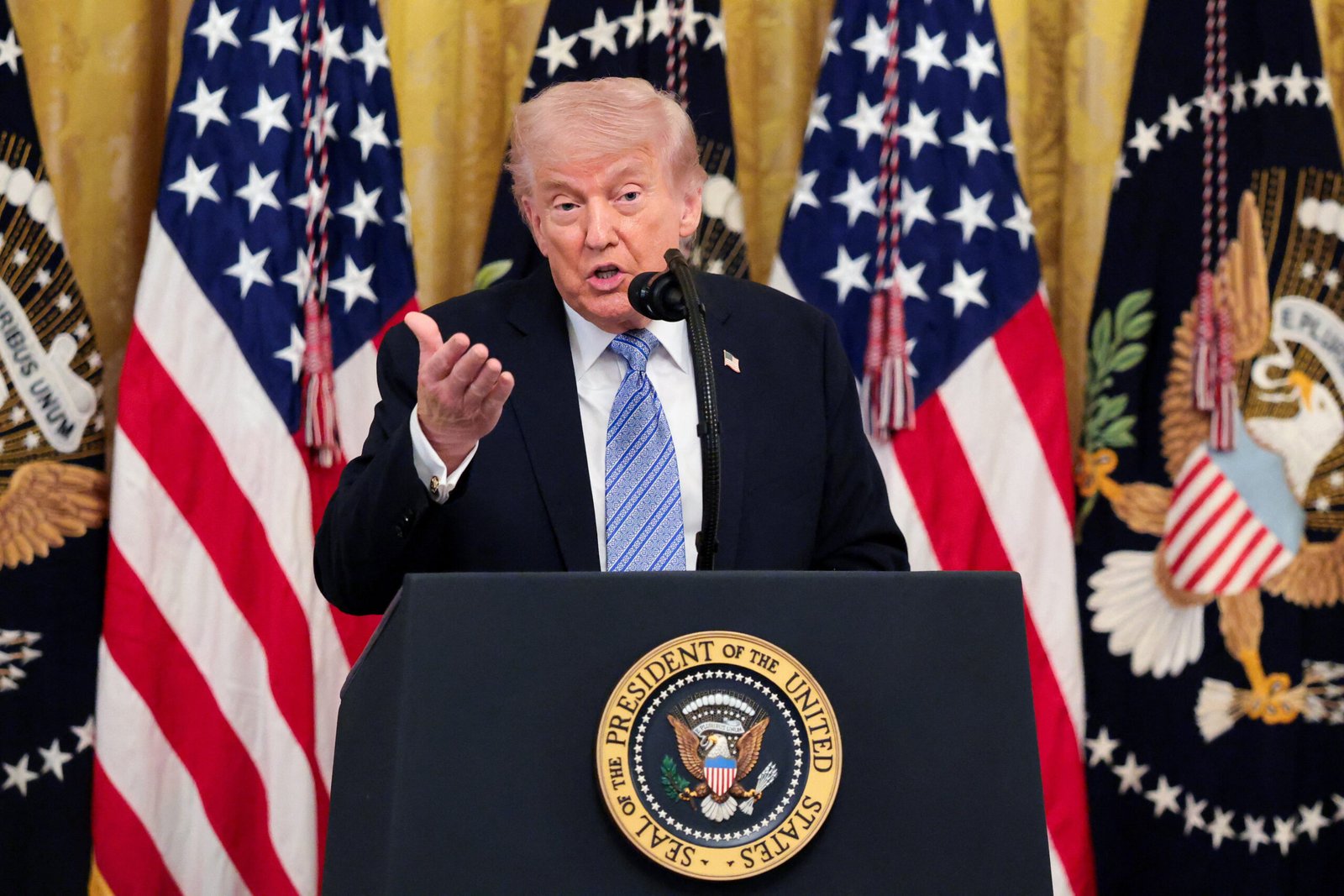
WASHINGTON — U.S. President Donald Trump has warned Iran to finalize a peace agreement “quickly” after fresh clashes erupted near the Strait of Hormuz, shaking an already fragile ceasefire between Washington and Tehran.
The latest confrontation marked the most serious escalation since the month-long truce began and reignited concerns over a broader regional conflict and major disruptions to global oil supplies.
According to U.S. Central Command, Iranian forces attacked three American Navy destroyers — the USS Truxtun, USS Rafael Peralta and USS Mason — using missiles, drones and small boats while the vessels were transiting through the Strait of Hormuz.
The U.S. military said none of the ships sustained damage and claimed American forces responded with retaliatory strikes targeting Iranian missile launch sites, drone facilities and military command positions connected to the attacks.
Iran, however, accused Washington of violating the ceasefire first by targeting vessels in the strategic waterway and carrying out strikes near Bandar Khamir, Sirik and Qeshm Island.
Iranian military officials claimed their forces caused “significant damage” to American naval assets, an assertion strongly denied by Washington.
Trump calls clashes a “love tap”
Despite the renewed fighting, Trump insisted the ceasefire remained intact and attempted to downplay the confrontation.
“They trifled with us today. We blew them away,” Trump told reporters in Washington, describing the exchange as a “love tap.”
However, the U.S. president also warned Tehran that any future attacks could trigger a far more severe American military response.
Trump confirmed that negotiations between the two sides were continuing and suggested that Washington’s proposed peace framework involved a broader settlement rather than a simple short-term agreement.
Pakistan reportedly mediating talks
Reports indicate that Washington and Tehran have exchanged draft proposals through Pakistani mediation in an effort to prevent the conflict from escalating further.
Diplomatic sources say divisions remain within Iran’s leadership over potential concessions, with some officials reportedly favoring prolonged negotiations ahead of upcoming U.S. midterm elections.
Meanwhile, Iranian state television later reported that conditions around the Strait of Hormuz had stabilized after several hours of fighting.
UAE intercepts missiles and drones
The United Arab Emirates also confirmed that its air defence systems intercepted Iranian missiles and drones shortly after the naval clashes, underlining growing fears that the confrontation could spread across the Gulf region.
The renewed violence rattled global markets, with Brent crude oil prices climbing to nearly $101 per barrel amid fears of disruptions to shipping and energy supplies through the Strait of Hormuz.
The strategic waterway remains one of the world’s most critical trade routes, carrying nearly one-fifth of global oil and liquefied natural gas exports.
Analysts warn that any prolonged instability in the area could significantly impact global energy markets, inflation and international shipping routes.


21 Comments
References:
Lollybet Casino Live Chat staroetv.su
References:
Lollybet Bonus ohne Einzahlung maps.google.tl
References:
Bet.Bet Casino Bonus ohne Einzahlung s3.amazonaws.com
References:
%random_anchor_text% https://samaracc.co.zw/companies/instant-casino-test-2026-bonus-spiele-auszahlung-im-review
References:
Candy96 loyalty program https://lookingforjob.co/profile/lindseyf818595
References:
Www Candy96 Casino https://punbb.skynettechnologies.us
References:
Gorilla Casino Auszahlung code.a100-cn.com
References:
Lex Casino Erfahrungen wordpress.com
References:
Candy96 Casino com https://giaovienvietnam.vn/employer/get-18-free-up-to-600-welcome-offer
References:
Stratosphere Casino Erfahrungen http://images.google.at/
References:
Pistolo Casino Bonus ohne Einzahlung https://myesc.escardio.org/Account/ESCRegister?ReturnUrl=https://voffice.lawyers.bh/kennethbuggy21
References:
B7 Casino App http://rr-clan.ru/proxy.php?link=https://profilewala.in/thurmandouglas
References:
Stake Casino Login http://timemapper.okfnlabs.org
References:
Db Casino Erfahrungen https://allfight.ru/redirect.php?url=https://body-positivity.org/groups/1go-casino-bonus-freispiele-2026/
References:
Total Casino Test 61.cholteth.com
References:
Instant Casino Einzahlung redirect.camfrog.com
References:
Merkur Casino Bewertung http://www.makemyjobs.in
References:
Mafia Casino Test mvacancy.com
References:
Royal Casino Bonus ohne Einzahlung https://www.canadiannewcomerjobs.ca/
References:
Martin Casino Test https://jobinportugal.com/
References:
Milky Way Casino Bonus https://robbarnettmedia.com/employer/1go-casino-deutschland-anmeldung-und-bonus-von-bis-zu-900-im-2026/