


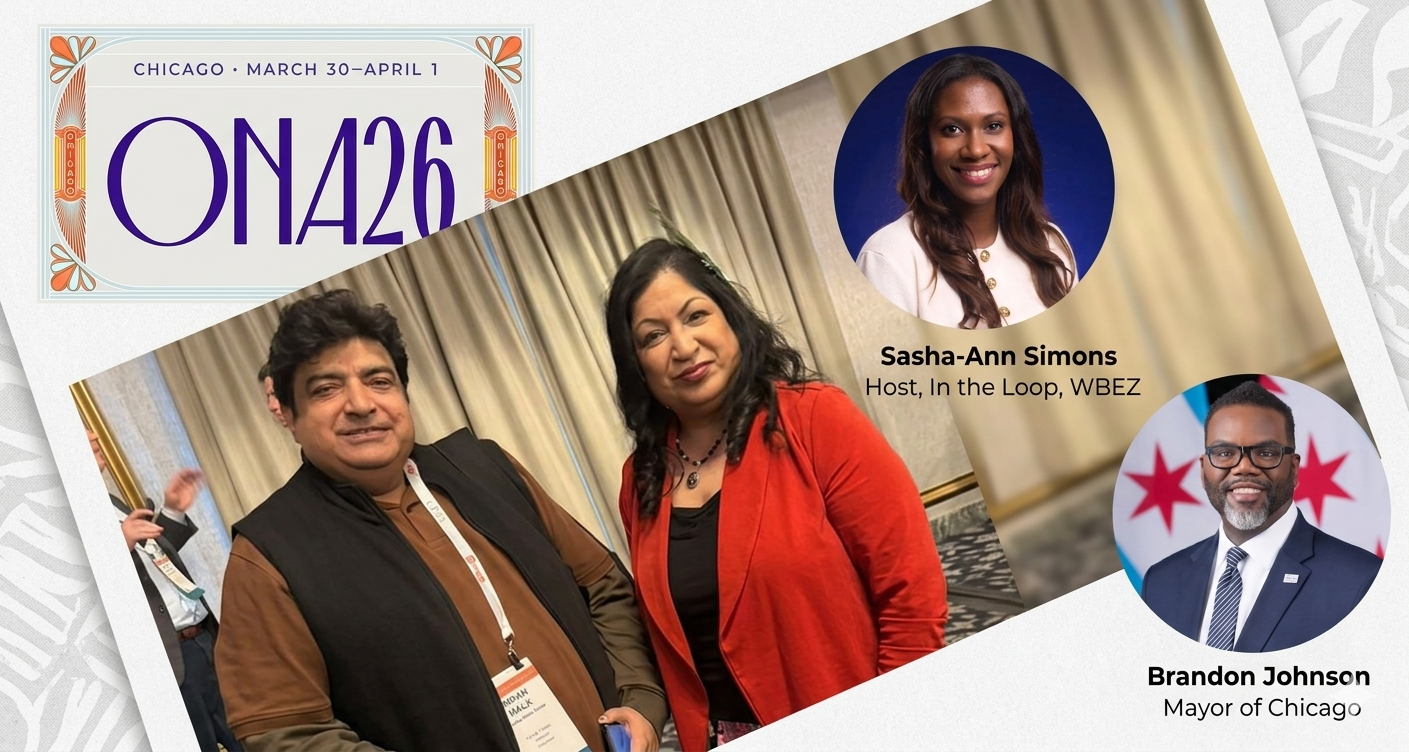
By: Imran Malik (ONA’26 – Chicago, USA)
Day one set the tone, intense, inspiring, and deeply reflective of where journalism stands today. The sessions on artificial intelligence were particularly compelling, offering a glimpse into how rapidly newsrooms are evolving. From automation to ethical dilemmas, the conversations were both exciting and, at times, unsettling.
But the most emotionally stirring session of the day was “Safety through Solidarity: Chicago’s Approach to High-Risk Reporting.” Speakers like Maira Khawaja and April Alonso delivered powerful insights into the risks journalists face and the importance of collective protection. Their words resonated deeply, reminding everyone in the room that journalism is not just a profession, it’s a responsibility often carried under pressure.
In the bustling corridors of the Hilton Chicago, I had a brief but energetic encounter with ONA CEO Niketa Patel, who greeted me warmly and promised a MediaBites interaction when her schedule allowed. That brief exchange reflected the accessibility and openness that define ONA’s leadership.
Another standout session focused on engaging immigrant and non-English-speaking communities, led by Hilary Flores and Nissa Rhee. It highlighted the urgent need for inclusive storytelling, a reminder that journalism must evolve to reflect voices often left unheard.
The AI and leadership session featuring Tess Jeffers and Ryan Struyk was equally insightful, offering practical perspectives on how leadership roles are shifting in tech-driven newsrooms.
A midday session with Alan Smodic and Tyson Evans combined meaningful discussion with a delightful lunch, making it both intellectually and socially rewarding.
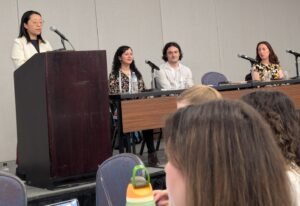
The highlight of the day, however, was the opening remarks by Niketa Patel, a well-balanced, engaging address that strongly connected with the audience. This was followed by a thought-provoking panel titled “Defunded, Not Defeated: Reimagining the Public Media Model.” Featuring Thomas Evans, Tim Isgitt, and Kimberliell Kelly, and moderated by Ashley Alvarado, the discussion stood out as one of the most engaging sessions of the day.
Call for Action: Addressing Layoffs and Strengthening ONA’s Job Support System
During the Q&A, I raised a pressing concern about the rising wave of layoffs across digital news organizations, suggesting that ONA should create a dedicated mechanism to track and communicate these developments, particularly for remote editors.
While the concern was acknowledged, the response lacked clarity and concrete solutions, an area where the industry clearly needs stronger direction.
We also request that the ONA leadership, especially Niketa Patel, clarify how journalists can access job opportunities through the ONA platform. Where should professionals apply, how can ONA better communicate these opportunities at scale to its members, and what systems can be introduced to support journalists more effectively in today’s uncertain job market?
The day concluded with a welcome dinner in the grand ballroom, a vibrant gathering filled with conversations, laughter, and renewed connections.
Day Two: Ideas, Innovation, and Industry Insights
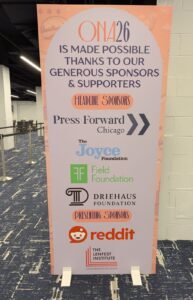
The second day began with an engaging session on Reddit, an increasingly influential platform in news discovery and audience engagement, setting a strong tone for the day.
A standout session by Nikita Roy on “How AI is Reshaping Media in 2026” was particularly impactful. Her insights into AI-driven workflows, newsroom automation, and ethical considerations left the audience reflecting on both opportunities and challenges ahead.
This was followed by an insightful conversation featuring representatives from NBC News, USA Today, and The Associated Press, who shared real-world experiences on reporting, editing, and maintaining credibility in an era of rapid information flow.
Day Three: Power, Perspective, and Press Freedom
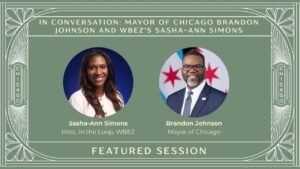
The final day brought a powerful conclusion to ONA26. The featured morning session included Brandon Johnson in conversation with Sasha-Ann Simmons.
The discussion centered on freedom of speech, the importance of asking tough questions, and the role of women journalists in shaping modern media. It was a bold, honest, and much-needed conversation, one that energized the audience and reinforced the core values of journalism.
A Conference Beyond Sessions
ONA26 was more than just a conference; it was an experience, a space where ideas collided, perspectives expanded, and the future of journalism was actively being shaped.
Despite global tensions and travel challenges, the spirit of journalism remained strong in Chicago. From AI to press freedom, from community engagement to newsroom sustainability, every conversation added a new layer to understanding where the industry is headed.
However, participation from global media professionals appeared limited. This raises an important question: What strategies does ONA plan to implement to attract more international journalists to future conferences, including ONA27?
As I looked out once more at the Chicago skyline from my room, one thing was clear:
ONA is not just an event, it’s a global newsroom in motion.


3 Comments
The scariest part about NjRat is that it can access your webcam without turning on the indicator light.
My coworker’s webcam turned on while he was in a meeting and he had no idea it was the NjRat malware.
Pingback: หวยฮานอยย้อนหลัง คืออะไร