


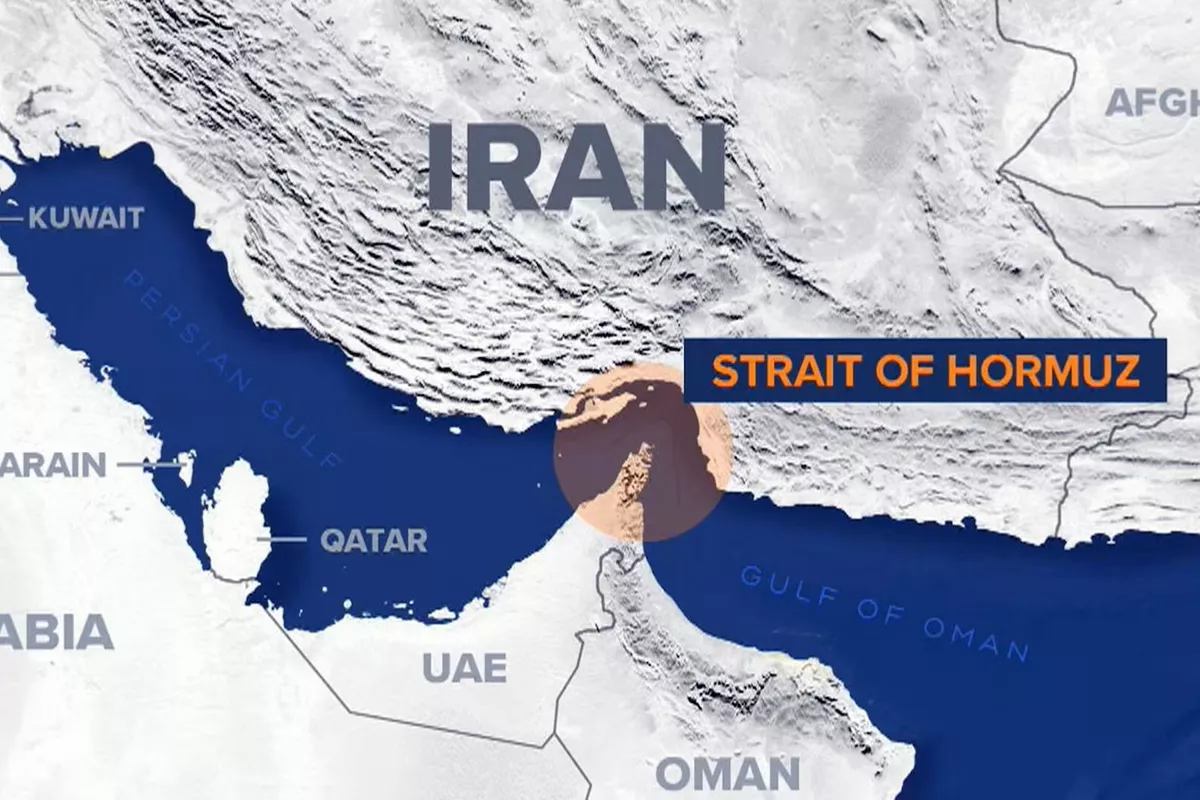
Iran signals limited safe passage through Strait of Hormuz for two weeks under ceasefire terms, raising cautious hopes while highlighting fragile diplomacy and conditional maritime cooperation in the region.
MediaBites News
Iran has signaled that safe passage through the Strait of Hormuz could be allowed for two weeks, as part of a fragile ceasefire arrangement with the United States.
The proposed plan, coordinated with Iran’s Armed Forces, reflects a temporary de-escalation after weeks of conflict that disrupted global oil flows and heightened tensions across the region.
Officials said commercial vessels may be permitted to transit the strategic waterway under Iranian oversight, provided both sides adhere to ceasefire terms and avoid further escalation.
The development follows U.S. President Donald Trump agreeing to a two-week pause in hostilities, stepping back from earlier threats of expanded strikes on Iranian infrastructure.
However, the arrangement remains conditional. Analysts say its success will depend heavily on mutual compliance—particularly Iran’s willingness to allow uninterrupted commercial shipping through one of the world’s most critical energy corridors.
Diplomatic efforts linked to the ceasefire are expected to continue in Islamabad, where negotiations aim to build on the temporary pause.
Experts warn that the window for stability is narrow, and any disruption or perceived violation could quickly unravel progress, potentially reigniting tensions across the Gulf.
The Strait of Hormuz carries a significant share of global oil supplies, and even a short-term reopening under stable conditions could ease pressure on international markets.
Still, uncertainty persists, as both sides test whether limited cooperation at sea can evolve into a broader and more durable peace on land.


7 Comments
ProDentim is a distinctive oral-care formula that pairs targeted probiotics with plant-based ingredients to encourage strong teeth, comfortable gums, and reliably fresh breath.
NerveCalm is a high-quality nutritional supplement crafted to promote nerve wellness, ease chronic discomfort, and boost everyday vitality.
PurDentix is a revolutionary oral health supplement designed to support strong teeth and healthy gums. It tackles a wide range of dental concerns, including gum inflammation and tooth decay
Backbiome is an advanced daily wellness supplement formulated to help support spinal comfort, reduce feelings of built-up tension, and promote freer, smoother movement throughout everyday life.
GL Pro is a natural dietary supplement formulated to help maintain steady, healthy blood sugar levels while easing persistent sugar cravings.
Boostaro is a modern mens wellness formula created to support daily vitality, stamina, and confidence through a practical, natural routine.
Pingback: atom-top.blagoroda.ru