


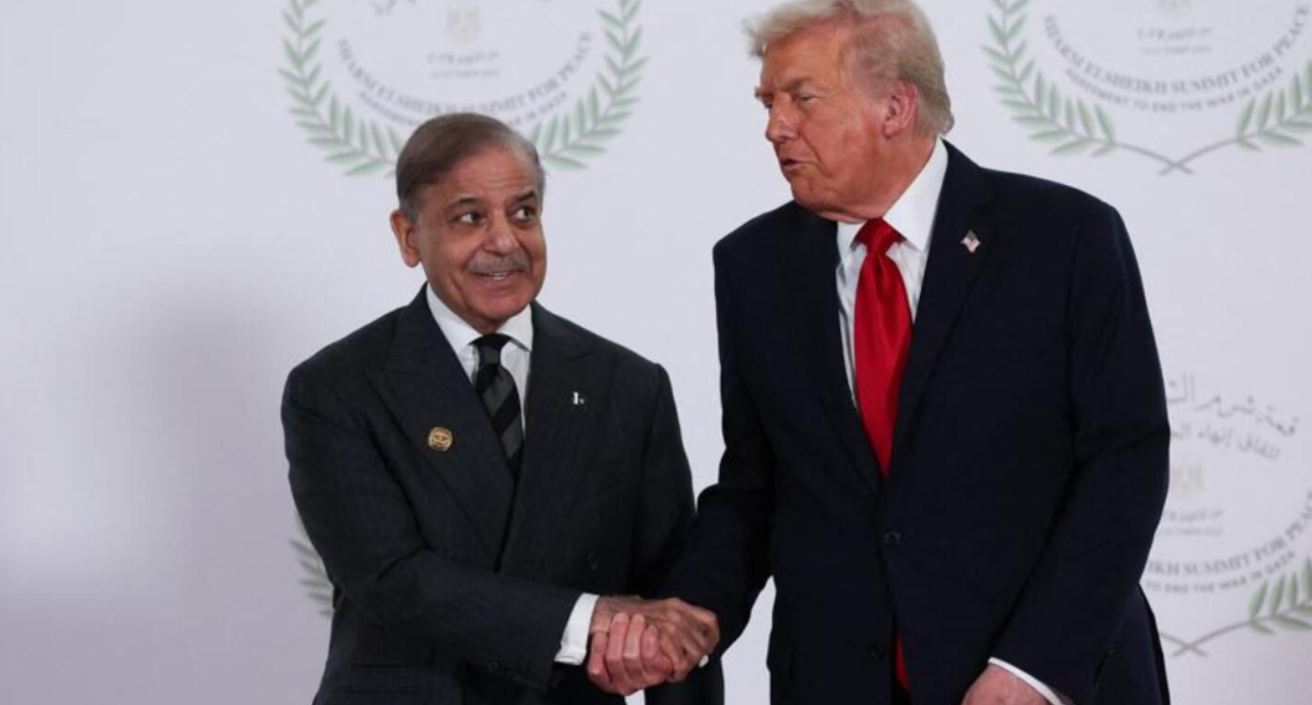
Pakistan offers to mediate US-Iran conflict, leveraging ties with both sides, as Islamabad eyes global diplomatic role while hosting potential talks to de-escalate rising regional tensions.
WEBDESK – Source: Reuters
Pakistan is stepping into a pivotal diplomatic role, positioning itself as a potential mediator between the United States and Iran amid escalating regional tensions, officials and analysts say.
Leveraging its ties with both Washington and Tehran, Islamabad has offered to host high-level talks to de-escalate the conflict, with early indications that negotiations could take place in the coming days.
Islamabad eyes global diplomatic spotlight
Prime Minister Shehbaz Sharif has confirmed Pakistan’s readiness to facilitate dialogue, signaling a proactive approach to peacebuilding amid heightened instability.
If successful, the initiative could elevate Pakistan’s diplomatic standing globally, drawing comparisons to its historic role in enabling backchannel diplomacy between the United States and China in the 1970s.
Military diplomacy boosts US engagement
A key driver behind Pakistan’s positioning is the improving relationship between army chief Asim Munir and U.S. President Donald Trump.
Islamabad has intensified diplomatic outreach through multiple high-level engagements, including coordination with U.S. envoy Steve Witkoff and adviser Jared Kushner. Reports suggest that Vice President JD Vance may also be involved in discussions, underscoring the seriousness of the effort.
A rare bridge between adversaries
Pakistan’s ability to maintain working relationships with both the U.S. and Iran amid minimal direct contact between the two rivals gives it a unique diplomatic edge.
Analysts describe Islamabad’s role as one of “unusual credibility,” noting that it has already facilitated indirect communication and exchanges of messages between Washington and Tehran since the conflict began.
Balancing complex regional ties
Pakistan’s mediation bid comes amid delicate regional dynamics. Sharing a border with Iran and hosting a significant Shia population, stability in Iran holds domestic importance.
At the same time, Pakistan maintains strong strategic and defence ties with Saudi Arabia, Iran’s key regional rival—placing Islamabad in a careful balancing act.
Preventing regional spillover
Officials say Pakistan is keen to prevent the conflict from spilling over into its territory, particularly given security concerns along its western border and potential disruptions to energy supplies.
Recent domestic protests following developments in Iran have further underscored the sensitivity of the situation.
A test of diplomatic ambition
Experts view Pakistan’s offer to host talks as a potential turning point in its foreign policy posture.
“Hosting U.S.-Iran negotiations would mark a significant upgrade in Pakistan’s strategic role,” analysts note, though they caution that deep-rooted tensions and ongoing military activity pose major challenges.
Uncertain but critical moment
With backchannel diplomacy intensifying and Islamabad actively engaging both sides, Pakistan has placed itself at the center of a critical geopolitical moment.
Whether it can convert this opportunity into a meaningful diplomatic breakthrough remains uncertain—but its role as a potential peace broker is now firmly in focus.


1 Comment
Pingback: จำนำรถ