


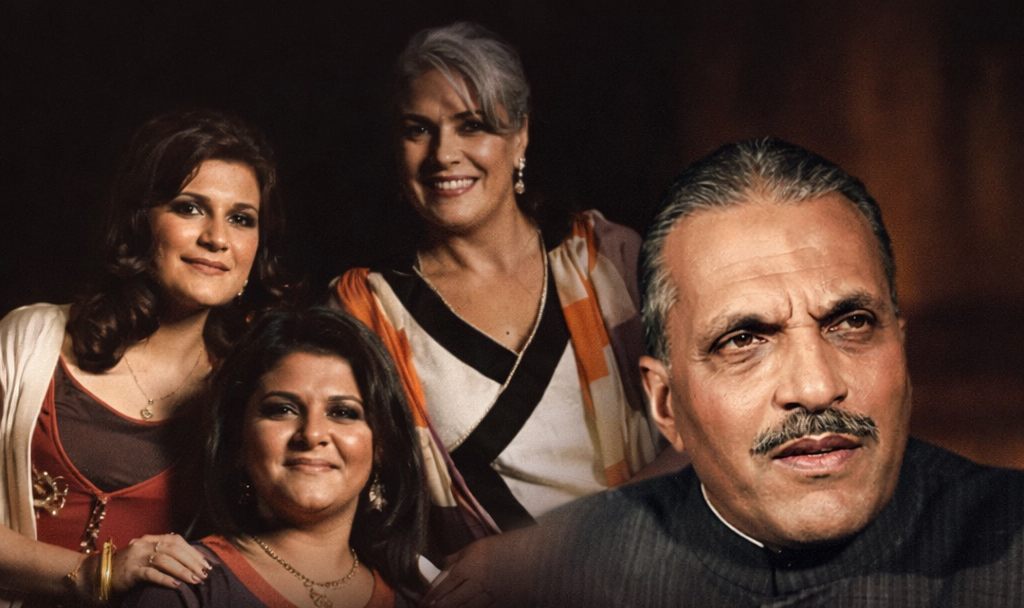
Did a single TV performance anger General Zia enough to derail the Benjamin Sisters’ careers, or is the truth behind their sudden disappearance more complex than widely believed?
By MediaBites | March 23, 2026
LAHORE: A fascinating and controversial chapter from Pakistan’s media history has resurfaced, raising a provocative question—did one televised song by the Benjamin Sisters trigger the غضب of military ruler General Zia-ul-Haq and alter their careers forever?
The story emerges from the memoir “Hum Bhi Wahin Mojood Thay” by former PTV Managing Director Akhtar Waqar Azeem, who recounts a dramatic incident involving the then-president during the 1980s.
According to Azeem, the episode unfolded when the president’s military secretary visited PTV offices, informing officials that General Zia wished to watch a recorded transmission following one of his speeches. Arrangements were swiftly made.
When the recording began, Zia reportedly skipped ahead and eventually watched segments, including the famous patriotic tune “Sohni Dharti.” However, tensions escalated after the news bulletin ended and a song performed by the Benjamin Sisters aired.
The trio—Nerissa, Beena, and Shabana—were among Pakistan’s earliest pop performers, known for their unique style and strong presence on state television. Their song “Khayal Mein Ek Roshni Hai” featured visuals of the sisters holding lamps and ascending steps.
It was this imagery and presentation that reportedly drew sharp criticism.
According to the account, General Zia reacted angrily, questioning why such a “Hindu-style” song was being broadcast while he was promoting an Islamic system. He also reportedly expressed displeasure over the performers’ attire, saying it did not align with his ideological vision.
The reaction was swift and consequential.
The following day, major administrative changes were made at Pakistan Television, with senior officials—including then MD Agha Nasir—reportedly removed from their positions.
While the Benjamin Sisters remained a celebrated part of Pakistan’s musical legacy, the incident has fueled long-standing speculation about whether political sensitivities and cultural restrictions of the era limited their trajectory.
Decades later, the question still lingers: was this merely a moment of غضب—or a turning point that reshaped the course of Pakistan’s early pop music scene?

