


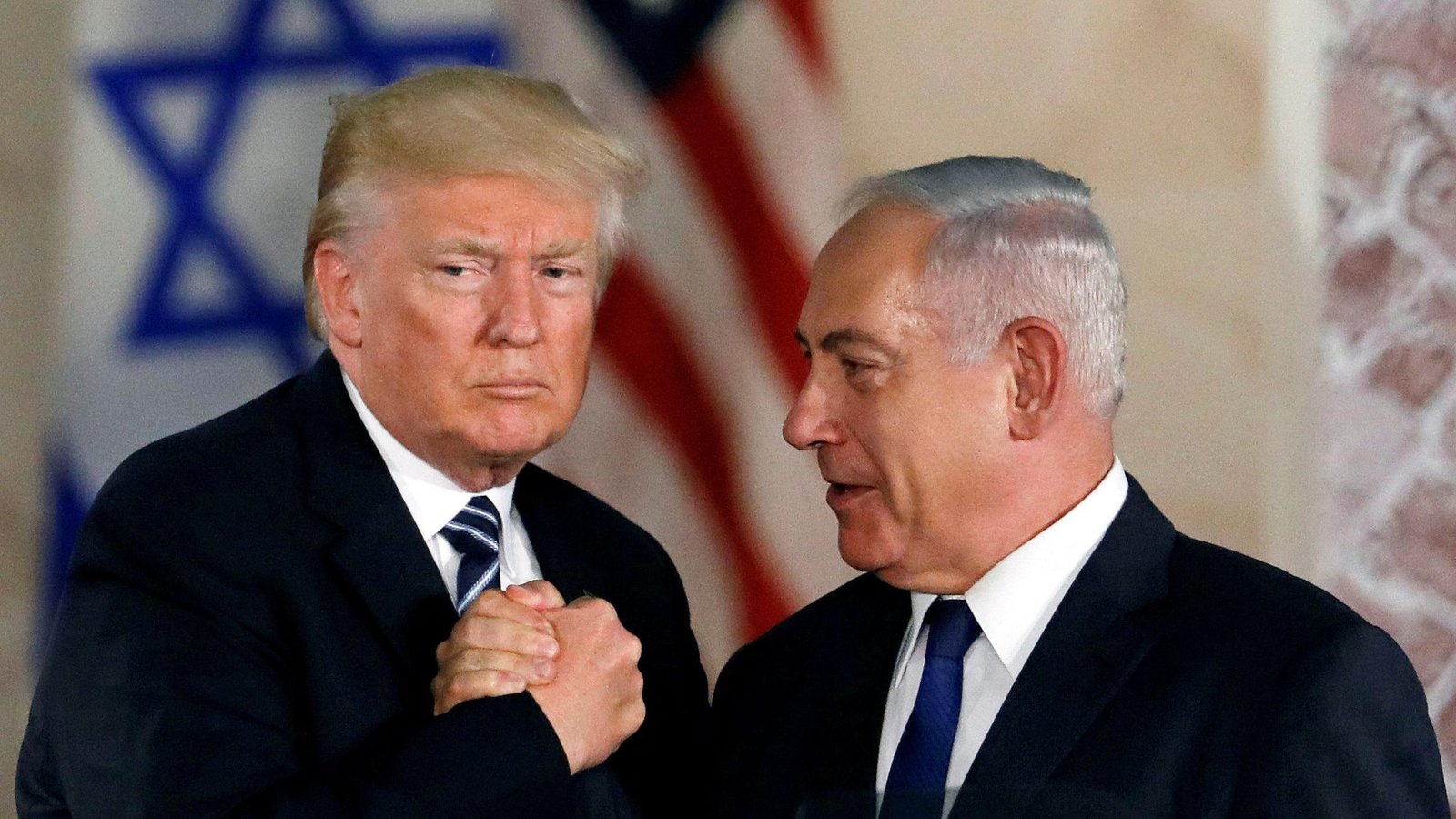
Donald Trump says ending the Iran war will be a mutual decision with Israeli Prime Minister Benjamin Netanyahu as the conflict intensifies and spreads across the Middle East.
MediaBites News Editorial
U.S. President Donald Trump said the decision to end the ongoing war with Iran will be taken jointly with Israeli Prime Minister Benjamin Netanyahu, underscoring the close strategic coordination between Washington and Tel Aviv as the conflict spreads across the Middle East.
Speaking in a phone interview with The Times of Israel, Trump indicated that Israel would play a central role in determining when the military campaign against Iran should conclude.
“I think it’s mutual … a little bit. We’ve been talking. I’ll make a decision at the right time, but everything’s going to be taken into account,” Trump said.
Deep US–Israel coordination
Trump’s remarks highlight the strong military and political cooperation between the United States and Israel during the current conflict.
The two allies have reportedly conducted coordinated operations targeting Iranian military infrastructure, missile sites, and strategic facilities over the past weeks.
The war began after joint strikes on Iranian installations triggered retaliatory missile and drone attacks by Tehran against Israel and U.S. bases across the Gulf region.
War spreads across the region
The conflict has now entered its second week, with both sides continuing to exchange missile and drone strikes.
Israel has intensified airstrikes on targets across Iran, while Tehran has launched retaliatory attacks against Israeli territory and Gulf states hosting American military bases.
Analysts warn that the fighting risks drawing more countries into the confrontation as regional tensions continue to rise.
Global economic shock
The war has already rattled global markets, pushing oil prices sharply higher and raising fears of disruptions to shipments through the Strait of Hormuz, which carries roughly one-fifth of the world’s oil supply.
Energy analysts say any prolonged disruption in the strait could trigger significant global economic consequences.
Uncertain endgame
Trump previously demanded Iran’s “unconditional surrender,” but his latest comments suggest the timing and conditions for ending the war will depend partly on Israel’s strategic calculations.
Netanyahu has been among the strongest advocates for maintaining military pressure on Tehran, arguing that Iran’s nuclear and missile programs pose a serious threat to Israel’s security.
With fighting continuing and diplomatic options limited, analysts say the eventual decision on ending the war could reshape the balance of power across the Middle East.

